
Contents
Overview
The precise genesis of pakora is as elusive as a perfectly crisp bite, but its roots are firmly planted in the culinary soil of the Indian subcontinent, likely emerging centuries ago. Historians point to the influence of Persian and Central Asian cooking techniques, particularly the concept of frying batter-coated items, which arrived with various invasions and trade routes. Early mentions in texts like the Sanskrit texts hint at precursors to fried snacks, though the specific formulation with gram flour and common vegetables solidified over time. By the Mughal era, elaborate fried dishes were common, and the humble pakora likely evolved as an accessible, flavorful option for the masses. Its widespread adoption across India, Pakistan, and Bangladesh speaks to its adaptability and universal appeal, becoming a cornerstone of regional cuisines.
⚙️ How It Works
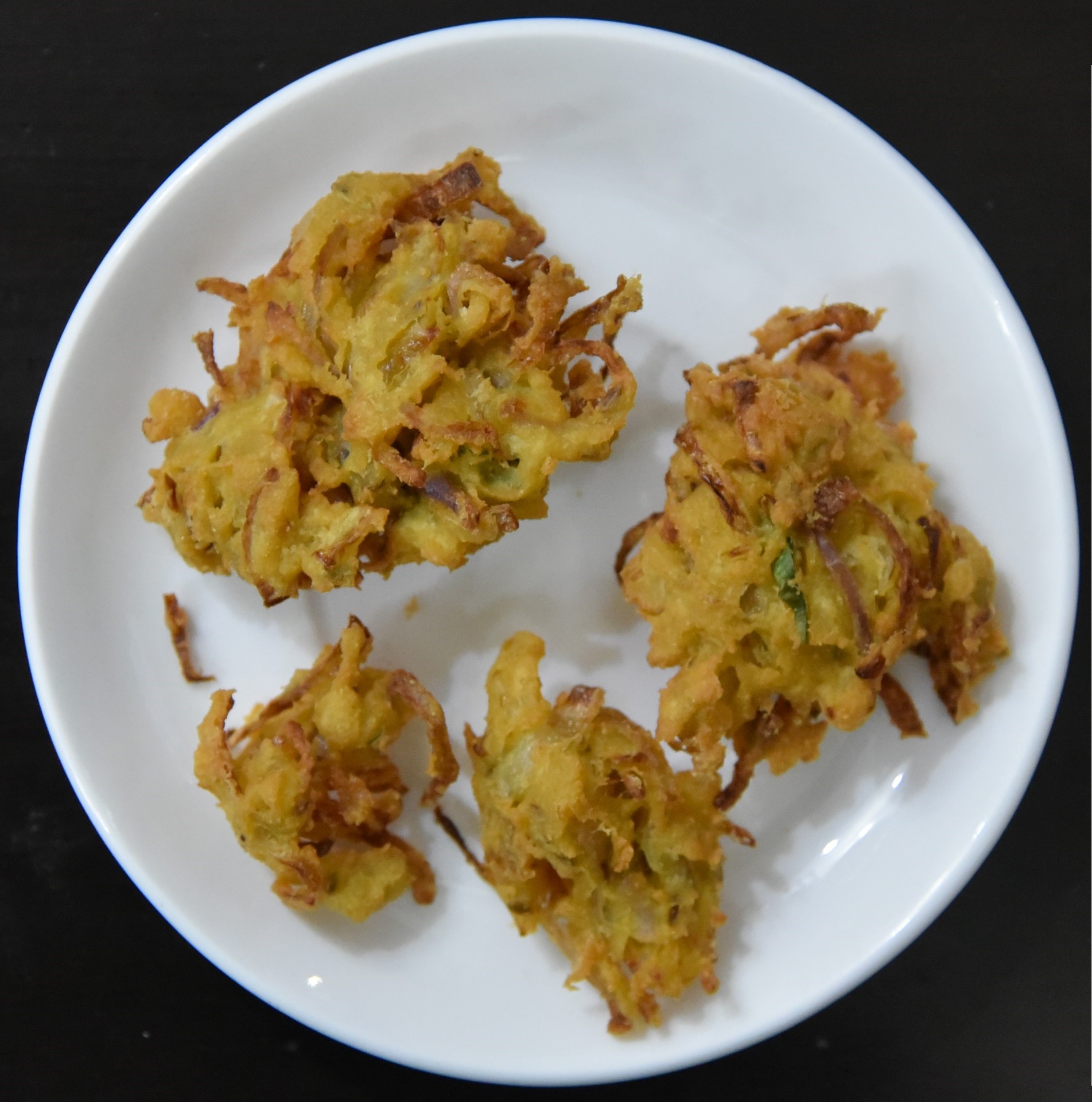
Crafting a pakora is a deceptively simple yet artful process. The core ingredient is gram flour, also known as besan, which is mixed with water and a blend of spices—often including turmeric, chili powder, cumin, and coriander—to form a thick, smooth batter. Vegetables, such as thinly sliced onions, potatoes, or cauliflower florets, are then thoroughly coated in this batter. The key to a superior pakora lies in the frying technique: the oil must be heated to the optimal temperature (around 175-180°C or 350-355°F) to ensure the fritter cooks through without becoming greasy or burnt. This deep-frying process transforms the batter into a golden-brown, crispy exterior that encases the tender, spiced interior, creating a delightful textural contrast that has captivated palates for generations.
📊 Key Facts & Numbers
Pakora is present at celebrations like Diwali and Eid al-Fitr. The dish has transcended borders, reportedly becoming a popular item in Indian restaurants worldwide, from London's Dishoom to New York's Dhamaka. Its adaptability has also seen it incorporated into fusion cuisines, appearing in everything from pakora tacos to pakora burgers, demonstrating its remarkable capacity for reinvention and global integration. The visual of a steaming plate of pakoras, often served with mint or tamarind chutney, is an instantly recognizable symbol of South Asian hospitality and comfort food.
👥 Key People & Organizations
The primary debate surrounding pakora centers on its health implications. While undeniably delicious, the deep-frying process makes it a high-calorie, high-fat food, leading to discussions about its nutritional value and potential impact on public health. Some critics argue that the widespread consumption of fried snacks like pakora contributes to rising rates of obesity and related diseases in South Asia. Conversely, proponents highlight the use of gram flour, which is a good source of protein and fiber, and emphasize that moderation is key. The debate also touches upon the authenticity of regional variations, with purists sometimes questioning the legitimacy of fusion pakoras that deviate significantly from traditional recipes, particularly when they are marketed as authentic.
🌍 Cultural Impact & Influence
The future of pakora appears to be a dynamic blend of tradition and innovation. We can anticipate a continued surge in healthier preparation methods, with air-fried and baked versions gaining traction, potentially driven by consumer demand for guilt-free indulgence. The exploration of novel ingredients, such as exotic vegetables, plant-based proteins, and gluten-free flours, will likely expand the pakora repertoire. Furthermore, the globalization of South Asian cuisine suggests that pakora will continue to find new audiences and adapt to diverse palates, potentially becoming a more mainstream snack in Western markets. Expect to see more gourmet and artisanal pakora offerings, moving beyond the street food perception to higher-end dining experiences, perhaps even featuring in Michelin-starred establishments.
⚡ Current State & Latest Developments
Pakora's primary application is as a beloved snack, particularly during monsoon season and evening tea breaks. It serves as a popular appetizer in Indian restaurants globally, often paired with chutneys like mint chutney or tamarind chutney. Beyond its role as a standalone snack, pakora is also used creatively in fusion dishes. For instance, 'pakora tacos' combine the crispy fritter with Mexican fillings, while 'pakora burgers' offer a spiced twist on a classic. Some chefs have even incorporated finely chopped pakora into salads or used it as a crunchy topping for curries, showcasing its versatility as a textural and flavor element in a wider culinary context.
🤔 Controversies & Debates
The journey of pakora is deeply intertwined with the broader narrative of South Asian cuisine and its global diaspora. Understanding pakora necessitates exploring its foundational ingredient, gram flour, and the cultural significance of fritters worldwide. Its role in street food culture is paramount, often discussed alongside other iconic snacks like samosas and pani puri. For those interested in the evolution of flavor, the study of spice blends used in pakora offers a gateway into the complex aromatic profiles of Indian cooking. Further exploration into the history of Indian cuisine will reveal the socio-economic factors that shaped this humble yet extraordinary dish.
Key Facts
- Category
- culture
- Type
- concept