
Contents
Overview
The lineage of the fritter stretches back to ancient Rome, where cooks prepared dishes called 'globuli,' which were essentially fried dough balls often sweetened with honey. This foundational concept of frying batter or dough spread across Europe, evolving with local ingredients and techniques. In medieval Europe, fritters were often associated with festive occasions and were frequently sweet, featuring fruits like apples or pears. The term 'fritter' itself is believed to have emerged in the 16th century, likely from Old French 'fritour' or Middle English 'frychour,' both relating to frying. As culinary traditions migrated with explorers and settlers, so too did the fritter, adapting to new ingredients and palates in the Americas, Asia, and beyond, leading to the vast array of regional variations seen today, from the corn fritters of the American South to the tempura of Japan, which shares the deep-frying technique.
⚙️ How It Works
At its core, the creation of a fritter involves a two-stage process: preparation of the core ingredient and the application of a coating, followed by deep-frying. The core can range from finely diced vegetables like zucchini or corn, to chunks of fruit such as apples or bananas, or even seasoned meats and seafood. This core is then typically mixed into or coated with a batter, which is commonly made from flour, eggs, milk or water, and leavening agents like baking powder. Alternatively, some fritters utilize a breading, such as breadcrumbs or panko, for a crispier exterior. The entire assembly is then submerged in hot oil, typically between 350°F (175°C) and 375°F (190°C), until golden brown and cooked through. The high heat of the oil rapidly cooks the batter, creating a characteristic crisp crust while steaming the interior ingredients, resulting in a tender, flavorful bite.
📊 Key Facts & Numbers
Globally, the fritter market is vast and diverse, with specific types achieving significant commercial success. For instance, apple fritters are a beloved pastry in North America, with sales in the hundreds of millions annually across bakeries and cafes. Corn fritters are a staple in many Southern US states, with regional chains selling tens of thousands of portions weekly. In Japan, 'tempura' (a type of fritter) sales alone are estimated to be in the billions of dollars annually, with over 1,500 dedicated tempura restaurants in Tokyo alone. Globally, the market for fried snacks, which includes many fritter varieties, is projected to reach over $100 billion by 2027, indicating a sustained and growing consumer appetite for these fried delights. The average cost of a single fritter can range from $1 to $5 USD, depending on ingredients and location.
👥 Key People & Organizations
While no single individual 'invented' the fritter, numerous chefs and culinary figures have popularized specific regional variations. Julia Child, in her seminal work 'Mastering the Art of French Cooking,' detailed techniques for various fried items that inform modern fritter preparation. In the American South, figures like Edna Lewis championed traditional recipes, including corn and oyster fritters, in her influential cookbooks. The Japanese culinary world reveres chefs like Jiro Ono, whose dedication to perfect tempura at his three-Michelin-starred restaurant, Sukiyabashi Jiro, elevated the fritter to an art form. Major food corporations, such as General Mills and Kraft Heinz, produce ingredients and mixes widely used in home fritter preparation, while restaurant chains like Dunkin' and Starbucks offer popular versions like apple fritters and corn fritters.
🌍 Cultural Impact & Influence
Fritters have profoundly shaped global food culture, acting as a culinary bridge between diverse traditions. They are a cornerstone of street food economies worldwide, offering affordable and satisfying meals. In Western cultures, sweet fritters like apple or banana fritters are common desserts or breakfast items, often associated with comfort food and nostalgia. Savory fritters, such as corn fritters or zucchini fritters, serve as appetizers, side dishes, or even main courses. In Asian cuisines, variations like Japanese tempura, Indian pakoras, and Filipino okoy demonstrate the fritter's adaptability to local spices and ingredients, becoming integral to national cuisines. The visual appeal of a golden-brown fritter has also made it a popular subject in food photography and social media, contributing to its enduring popularity.
⚡ Current State & Latest Developments
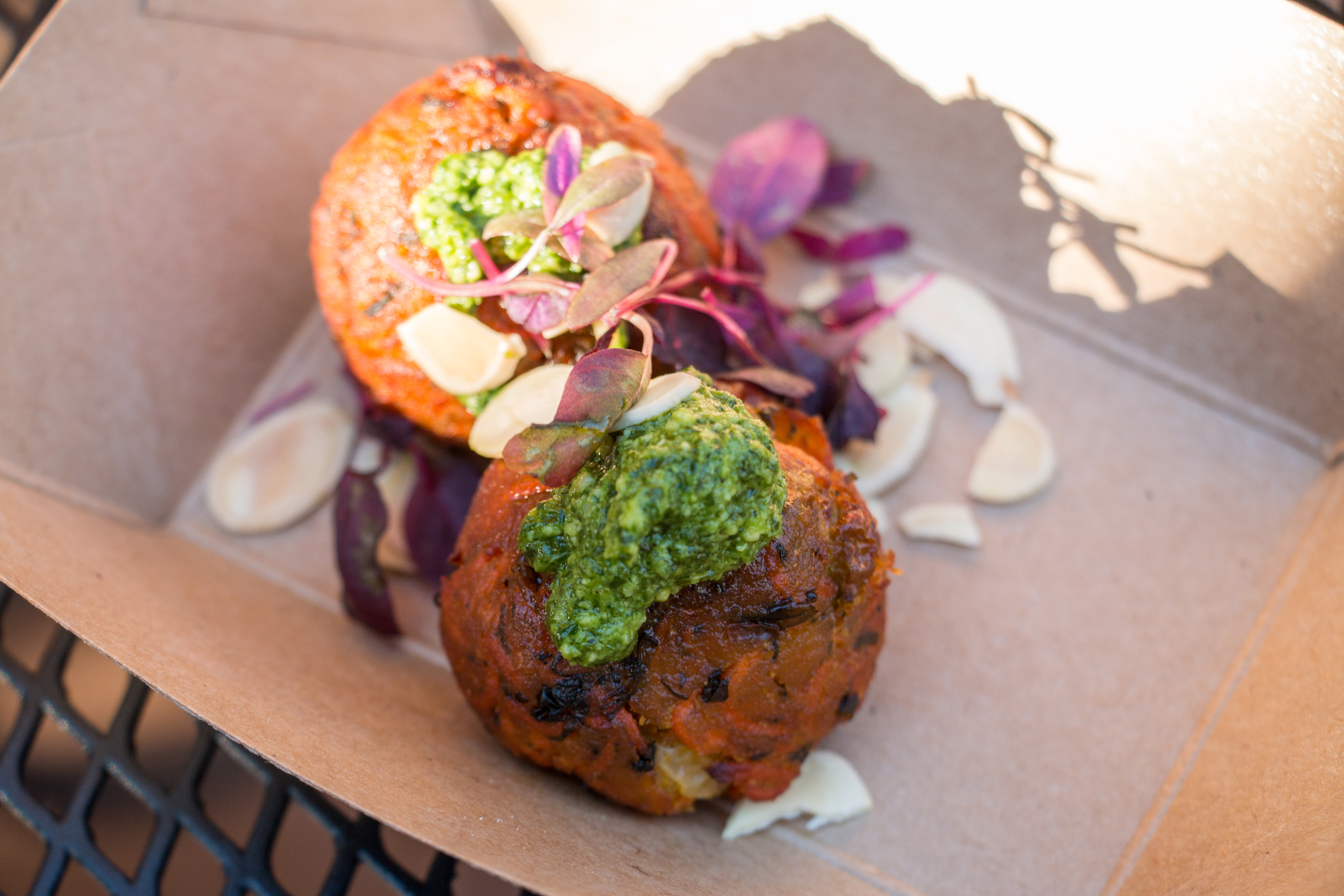
The fritter remains a dynamic culinary entity, constantly evolving with new ingredients and dietary trends. We're seeing a surge in 'healthier' fritter variations, incorporating alternative flours like chickpea or almond flour, and utilizing air-frying techniques to reduce oil consumption. Plant-based fritters, using ingredients like jackfruit or mushrooms as the base, are gaining traction. Furthermore, fusion fritters, blending elements from different cuisines – think kimchi fritters or chorizo and sweet potato fritters – are appearing on menus globally. The rise of artisanal food markets and food trucks has also provided a platform for innovative fritter creations, allowing chefs to experiment with gourmet ingredients and unique flavor combinations, ensuring the fritter's continued relevance in the contemporary food scene.
🤔 Controversies & Debates
The primary controversy surrounding fritters often revolves around their health implications due to deep-frying. Critics point to the high fat and calorie content, arguing that regular consumption can contribute to obesity and related health issues. The environmental impact of deep-frying, including oil disposal and energy consumption, also sparks discussion among sustainability advocates.
🔮 Future Outlook & Predictions
The future of fritters appears bright, driven by innovation and adaptation. Expect to see continued exploration of plant-based and gluten-free options, catering to growing dietary consciousness. The integration of novel ingredients, such as exotic fruits, ancient grains, and fermented vegetables, will likely lead to exciting new flavor profiles. Furthermore, advancements in cooking technology, like improved air fryers and induction deep-fat fryers, may enable the creation of even crispier, less oily fritters. We might also witness fritters being incorporated into entirely new culinary formats, perhaps as components in gourmet sandwiches or as a base for deconstructed dishes, further cementing their place in the evolving global gastronomy.
💡 Practical Applications
Fritters are incredibly versatile and find application across numerous culinary contexts. They serve as popular appetizers, such as crispy onion rings or spicy jalapeño popper fritters. As side dishes, corn fritters or mashed potato fritters complement a wide range of meals. They are a beloved breakfast item, with apple fritters and blueberry fritters being common choices. In many cultures, fritters are a primary street food offering, providing a quick and satisfying snack. They can also be a dessert, with sweet fruit fritters often served with powdered sugar, syrup, or ice cream. Moreover, the technique is applied in seafood preparations, like shrimp or crab fritters, and even in some meat dishes, showcasing their broad utility.
Key Facts
- Category
- culture
- Type
- concept