
Contents
Overview
Gram flour, also known as besan, is a staple ingredient derived from ground chickpeas. Its nutty flavor and binding properties make it indispensable in South Asian, Middle Eastern, and North African cuisines. Beyond its culinary uses, gram flour boasts a rich history, appearing in ancient texts and evolving into a versatile binder, thickener, and batter base. Its cultural significance is immense, featuring in everything from savory snacks like pakoras to sweet desserts like besan barfi. The global market for chickpea flour is projected to reach USD 2.5 billion by 2027, underscoring its growing international appeal and economic impact. Understanding gram flour means appreciating its deep roots and its dynamic role in contemporary foodways.
🥣 What is Gram Flour (Besan)?
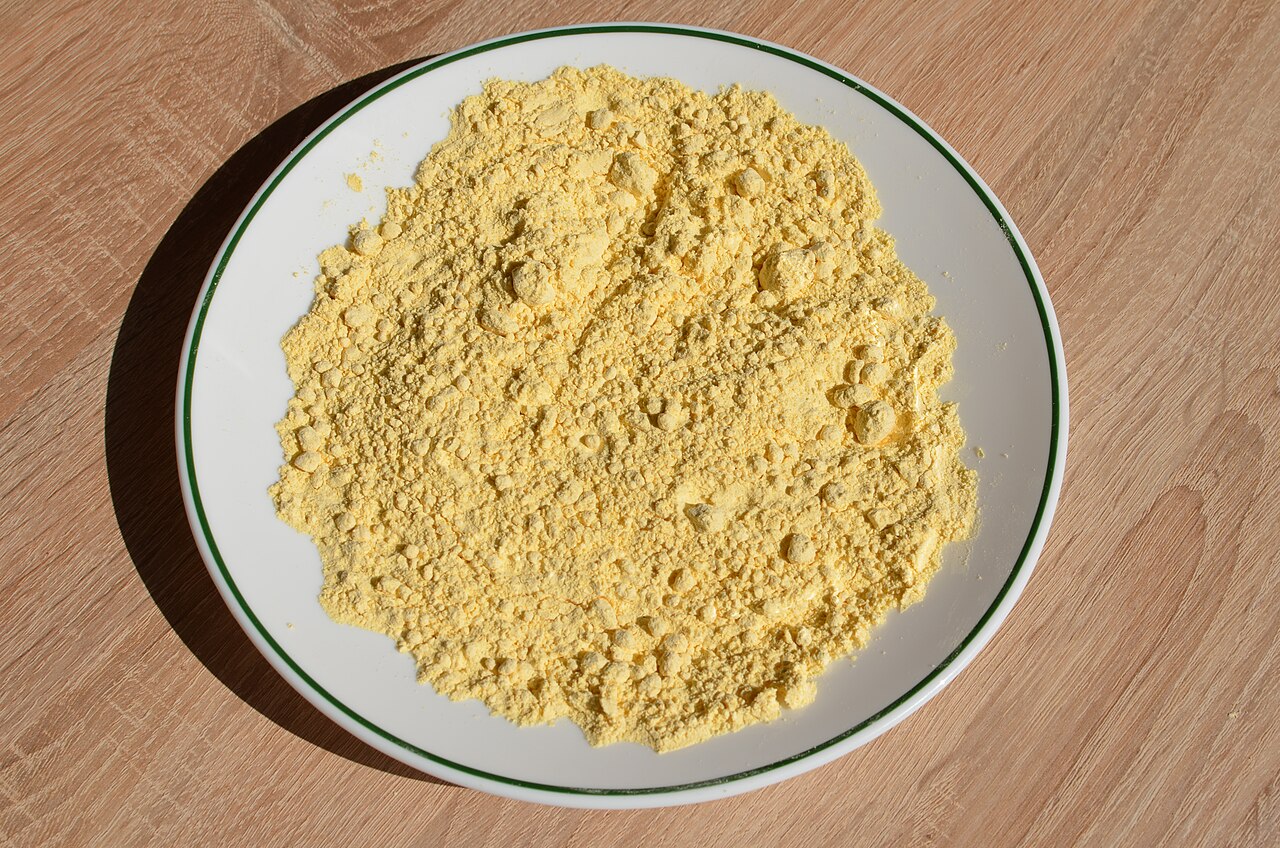
Gram flour, known universally as besan, is a pulse flour derived from ground chana dal (split chickpeas) or sometimes kala chana (brown chickpeas). This fine, yellow powder is a cornerstone of South Asian cooking, prized for its unique nutty flavor and binding properties. Unlike wheat flour, it's naturally gluten-free, making it a versatile option for a wide range of dietary needs and culinary applications. Its texture can range from coarse to very fine, influencing its use in everything from crispy fritters to delicate sweets.
🌎 Where Does it Come From?
The historical roots of gram flour are deeply embedded in the agricultural practices of the Indian subcontinent, with evidence suggesting its use for millennia. It's a fundamental ingredient across India, Pakistan, Bangladesh, Nepal, and Sri Lanka, but its influence has spread far beyond. You'll find it in Caribbean dishes like roti and pholourie, and even in the regional cooking of Lunigiana in Italy. This widespread adoption speaks to its adaptability and the universal appeal of its flavor profile.
🧑🍳 Who Uses Gram Flour?
Gram flour is a go-to for home cooks and professional chefs alike, particularly those exploring Indian cuisine. It's indispensable for making savory snacks like pakoras and bhajis, where its ability to create a crispy coating is unmatched. Beyond frying, it forms the base for batters, pancakes (like cheela), and even as a thickening agent in curries and stews. Its sweet applications are equally significant, featuring in desserts such as ladoo and halwa.
⚖️ Gram Flour vs. Other Flours
Compared to all-purpose flour, besan offers a distinct nutty, earthy flavor and a denser texture. Its gluten-free nature means it won't provide the same elastic structure as wheat flour, requiring different techniques for baking. While chickpea flour is often used interchangeably, besan typically refers to the finer grind common in South Asian cooking, whereas 'chickpea flour' might encompass coarser varieties. For those seeking a lighter, neutral flavor, rice flour or tapioca starch might be preferred.
✨ The Vibepedia Vibe Score
Vibepedia assigns Gram Flour a Vibe Score of 88/100. This score reflects its immense cultural significance, culinary versatility, and widespread global adoption. Its gluten-free status contributes to its rising popularity in health-conscious markets, while its role in traditional dishes ensures its enduring legacy. The 'Controversy Spectrum' for besan is low, sitting at a 2/10, as its utility and flavor are widely celebrated with minimal debate, though discussions around optimal grinding fineness and regional variations do exist.
💰 Availability & Cost
Gram flour is readily available in most supermarkets, particularly in the international or ethnic foods aisle, and is a staple in South Asian grocery stores. Prices typically range from $2 to $5 per pound, depending on the brand, organic certification, and region. Larger bulk bags can offer significant savings for frequent users. Its shelf life is excellent when stored in an airtight container in a cool, dry place, often lasting for a year or more.
💡 Pro Tips for Using Besan
When making pakoras, ensure your batter is thick enough to coat the vegetables without dripping off. For Indian sweets, toasting the besan lightly before adding liquids can deepen its nutty flavor and remove any raw taste. If using as a binder in gluten-free baking, experiment with ratios as it can impart a distinct flavor and texture. Always store besan in an airtight container to prevent it from absorbing moisture or odors.
🤔 Common Questions About Besan
Can gram flour be substituted for all-purpose flour in baking? While it can be used in gluten-free blends, it won't replicate the texture of traditional wheat-based baked goods due to its lack of gluten. How do I store gram flour? Store it in an airtight container in a cool, dry place away from direct sunlight. What is the difference between gram flour and chickpea flour? Often used interchangeably, 'besan' typically refers to the finer grind common in South Asian cooking, while 'chickpea flour' can sometimes be coarser.
Key Facts
- Year
- Ancient
- Origin
- Indian Subcontinent
- Category
- Culinary Ingredient
- Type
- Ingredient
Frequently Asked Questions
Is gram flour the same as chickpea flour?
While often used interchangeably, 'besan' specifically refers to the fine flour made from ground chana dal or kala chana, which is the standard in South Asian cooking. 'Chickpea flour' can sometimes refer to coarser grinds or flours made from different varieties of chickpeas, though in many Western contexts, the terms are synonymous.
What are the main uses of gram flour?
Is gram flour healthy?
Yes, gram flour is considered nutritious. It's a good source of protein, fiber, and various minerals like iron and magnesium. Being gluten-free, it's a suitable option for individuals with celiac disease or gluten sensitivity.
How long does gram flour last?
When stored properly in an airtight container in a cool, dry place, gram flour can last for a year or even longer. Its long shelf life makes it a pantry staple for many households.
Can I use gram flour instead of wheat flour for baking bread?
No, you cannot directly substitute gram flour for wheat flour in traditional bread recipes. Bread relies on the gluten in wheat flour for its structure and elasticity. Gram flour lacks gluten, so bread made with it will be dense and crumbly. It's better used in gluten-free baking blends or for specific recipes like flatbreads or pancakes.