
Contents
Overview
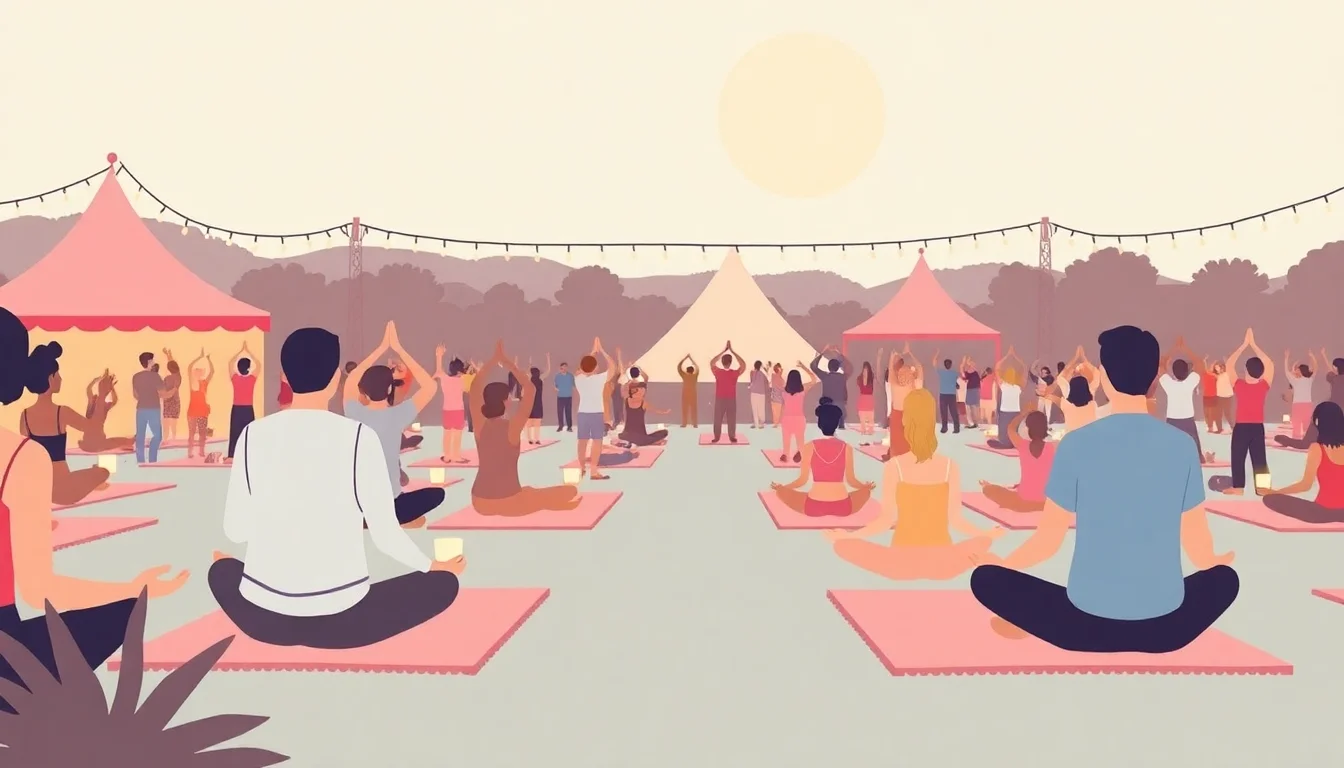
Yoga festivals are large-scale, multi-day events dedicated to the practice and celebration of yoga, meditation, and holistic wellness. These gatherings typically feature a diverse array of yoga classes catering to all levels and styles, from Vinyasa and Ashtanga to Kundalini and Yin. Beyond the physical practice, they often incorporate workshops on mindfulness, breathwork, nutrition, and spiritual development, alongside live music performances, art installations, and healthy food vendors. Originating from grassroots movements in the late 20th century, particularly in the United States and India, yoga festivals have exploded in popularity, attracting tens of thousands of attendees globally. They serve as vibrant hubs for community building, personal growth, and the cross-pollination of ideas within the wellness industry, transforming transient attendees into a dedicated global tribe.
🎵 Origins & History
The genesis of the modern yoga festival can be traced back to the counterculture movements of the 1960s and 70s, which fostered a renewed interest in Eastern philosophies and practices like yoga. Early precursors included spiritual retreats and ashram gatherings, particularly in India, where figures like Paramahansa Yogananda and Maharishi Mahesh Yogi popularized meditation and yoga in the West. By the late 1990s and early 2000s, dedicated yoga festivals began to emerge, often rooted in the burgeoning Yoga Journal conference circuit and independent community events. These events rapidly evolved, incorporating diverse wellness modalities and becoming significant cultural phenomena by the 2010s.
⚙️ How It Works
A yoga festival operates as a temporary, immersive ecosystem designed to facilitate learning, connection, and rejuvenation. The core component is the schedule of classes, often running concurrently across multiple stages or tents, led by a diverse roster of instructors, from renowned yoga gurus to emerging local teachers. Attendees typically purchase passes granting access to all sessions, workshops, and common areas. Beyond yoga, festivals curate experiences like sound baths, ecstatic dance, Ayurvedic cooking demonstrations, and talks on topics ranging from sustainability to conscious living. A vibrant marketplace featuring yoga apparel, wellness products, and artisanal crafts is a staple, alongside a variety of food and beverage vendors offering plant-based and healthy options. The logistical complexity involves managing venues, scheduling, vendor coordination, and ensuring a safe, inclusive atmosphere for thousands of participants.
📊 Key Facts & Numbers
The global yoga festival market is substantial and growing. Major festivals like OM Yoga Show in London have reported attendance figures exceeding 30,000 participants. These events often generate millions in revenue, not only from ticket sales but also from vendor fees, sponsorships, and merchandise. The average attendee spends an estimated $500-$1,500 on festival-related expenses, including travel and accommodation, highlighting the economic impact of this wellness trend.
👥 Key People & Organizations
Key figures and organizations have been instrumental in shaping the yoga festival landscape. Organizations such as Yoga Alliance often partner with or present at these events, setting industry standards. Major yoga brands like Alo Yoga and Prana frequently sponsor festivals, leveraging them for brand visibility and community engagement. Independent studios and local wellness collectives also contribute significantly by hosting smaller, community-focused events.
🌍 Cultural Impact & Influence
Yoga festivals have profoundly influenced mainstream culture, popularizing yoga and mindfulness practices beyond traditional studio settings. They've fostered a sense of global community among practitioners, creating a shared identity and a powerful network for the wellness industry. The aesthetic of yoga festivals—often featuring bohemian decor, vibrant attire, and a focus on natural settings—has permeated fashion and lifestyle trends. Furthermore, these events have become crucial platforms for advocating for social and environmental causes, with many festivals incorporating charitable initiatives and promoting sustainable living. The commercialization of yoga, amplified by festivals, has also led to increased accessibility but also sparked debates about authenticity and commodification.
⚡ Current State & Latest Developments
The current landscape of yoga festivals is dynamic, marked by a return to in-person events post-pandemic, albeit with enhanced digital offerings. Many festivals now integrate hybrid models, providing online access to classes and workshops for a broader audience. There's a growing emphasis on inclusivity and diversity, with organizers actively seeking to represent a wider range of body types, ethnicities, and abilities. Sustainability is also a major focus, with festivals implementing eco-friendly practices like waste reduction, plant-based catering, and carbon offsetting. Emerging trends include a greater integration of somatic practices, trauma-informed yoga, and a deeper exploration of the philosophical roots of yoga beyond mere physical postures.
🤔 Controversies & Debates
The commercialization of yoga festivals is a significant point of contention. Critics argue that the high ticket prices and corporate sponsorships can alienate practitioners from less privileged backgrounds, turning a spiritual practice into an exclusive consumer experience. The focus on celebrity instructors and influencer culture is also debated, with some questioning whether it detracts from the authentic teachings of yoga. Another controversy surrounds the environmental impact of large gatherings, despite efforts towards sustainability. Furthermore, debates persist about the standardization of yoga instruction and the potential for unqualified individuals to lead sessions at large-scale events, raising concerns about safety and efficacy.
🔮 Future Outlook & Predictions
The future of yoga festivals likely involves a continued blending of physical and digital experiences, creating more accessible and personalized wellness journeys. Expect a deeper integration of technology, potentially including VR-enhanced yoga sessions and AI-driven personalized practice recommendations. The focus on community and connection will remain paramount, but festivals may evolve to offer more niche gatherings catering to specific interests, such as yoga for athletes, therapeutic yoga, or advanced philosophical studies. Sustainability will become an even more critical operational aspect, with festivals aiming for net-zero impact. The industry will also likely see increased collaboration between festivals and healthcare providers, positioning yoga as a recognized component of preventative health and mental well-being.
💡 Practical Applications
Yoga festivals offer a practical gateway for individuals to explore various facets of yoga and wellness. They provide an opportunity to sample different yoga styles and teachers, helping attendees discover what resonates most with their personal practice. The workshops offer practical skills in meditation, stress management, and healthy living that can be integrated into daily life. For aspiring yoga teachers, festivals are invaluable for networking, professional development, and gaining exposure. Furthermore, they serve as marketplaces for discovering high-quality yoga gear, supplements, and healthy food products, allowing attendees to make informed purchasing decisions that support their wellness journey.
Key Facts
- Category
- culture
- Type
- topic