
Contents
- 🏯 Introduction to Topkapi Palace
- 🏛️ History of the Ottoman Empire
- 📚 The Architecture of Topkapi Palace
- 👑 The Sultans of the Ottoman Empire
- 🏰 The Harem and Imperial Family
- 📖 The Library and Archives of Topkapi Palace
- 🎨 The Art and Culture of the Ottoman Empire
- 🕊️ The Decline of the Ottoman Empire
- 🏛️ Restoration and Preservation Efforts
- 👥 Visitor Information and Tourism
- 🤝 Cultural Significance and Legacy
- Frequently Asked Questions
- Related Topics
Overview
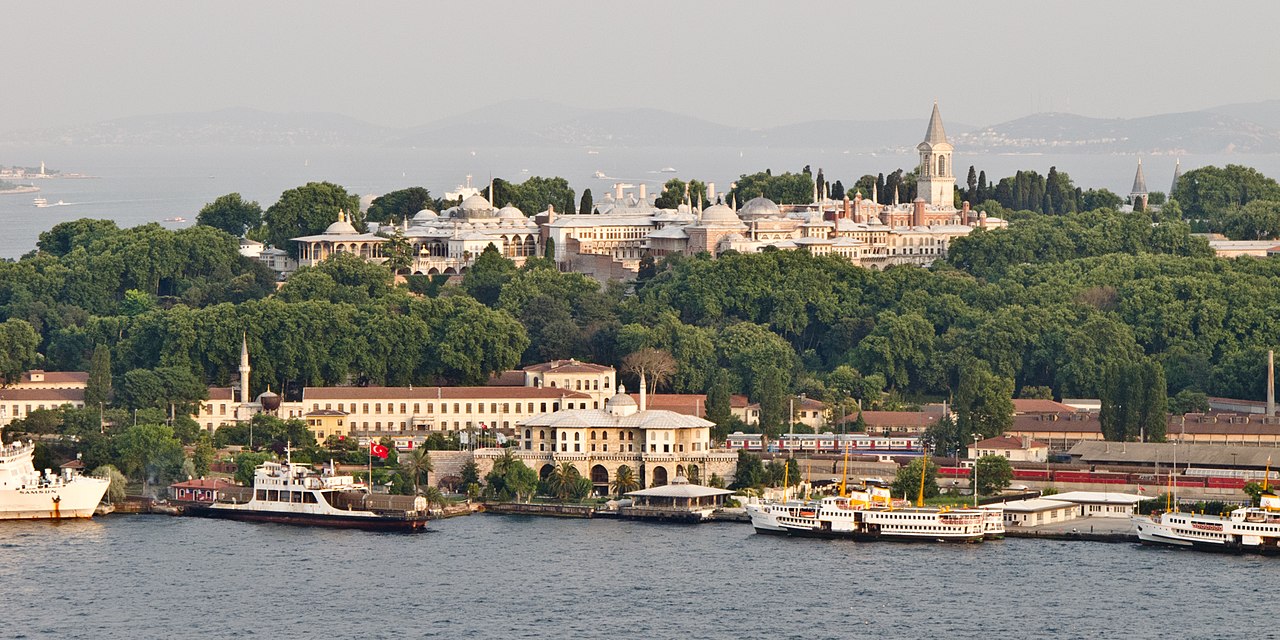
Topkapi Palace, with a vibe score of 92, is one of the most historically rich and culturally significant landmarks in Istanbul, Turkey. Built in 1459 by Sultan Mehmed II, it served as the primary residence of the Ottoman sultans for over 400 years. The palace is a testament to the engineering prowess of its time, with a complex system of courtyards, gardens, and buildings that housed over 5,000 people. The palace's Harem section, with over 400 rooms, is a particularly intriguing aspect, showcasing the intricate social hierarchy of the Ottoman court. With over 2 million visitors annually, Topkapi Palace is a must-visit destination for history enthusiasts and architecture buffs alike. As the Ottoman Empire's influence continues to shape modern-day Turkey, the palace remains a vital part of the country's cultural heritage, with ongoing restoration efforts ensuring its preservation for future generations.
🏯 Introduction to Topkapi Palace
The Topkapi Palace, also known as the Seraglio, is a large museum and library located in the east of the Fatih district of Istanbul in Turkey. From the 1460s to the completion of Dolmabahçe Palace in 1853, it served as the administrative center of the Ottoman Empire, and was the main residence of its sultans. The palace is a testament to the rich history and culture of the Ottoman Empire, with its stunning architecture and beautiful gardens. Visitors can explore the palace and learn about its history through guided tours, which include visits to the Harem and the Imperial Council. The palace also houses a vast collection of artifacts, including jewelry, ceramics, and textiles, which can be seen in the Topkapi Palace Museum.
🏛️ History of the Ottoman Empire
The Ottoman Empire was one of the largest and most influential empires in history, spanning over 600 years. At its peak, the empire covered much of Southeast Europe, Western Asia, and North Africa, and was a major center of trade, culture, and learning. The empire was founded by Osman Bey in the 13th century, and was ruled by a series of powerful sultans who expanded the empire's borders through conquest and diplomacy. The Ottoman Empire was also a major center of Islamic art and architecture, with many beautiful mosques, palaces, and other buildings that still stand today. Visitors to Istanbul can see many examples of Ottoman architecture, including the Blue Mosque and the Hagia Sophia.
📚 The Architecture of Topkapi Palace
The architecture of Topkapi Palace is a unique blend of Byzantine architecture and Islamic architecture. The palace was built in the 15th century, and was designed to be a symbol of the power and wealth of the Ottoman Empire. The palace is surrounded by high walls, and is divided into four main courtyards, each with its own unique character and function. The palace also features many beautiful gardens, fountains, and other decorative elements, which were designed to create a sense of tranquility and beauty. Visitors to the palace can see many examples of Ottoman architecture, including the Gate of Felicitations and the Throne Room. The palace is also home to a number of important artifacts, including the Spoonmaker's Diamond and the Topkapi Scroll.
👑 The Sultans of the Ottoman Empire
The sultans of the Ottoman Empire were the rulers of the empire, and were responsible for making important decisions about the government, economy, and military. The sultans were also the leaders of the Islamic world, and were respected for their wisdom, justice, and military prowess. Some of the most famous sultans of the Ottoman Empire include Suleiman the Magnificent, who ruled from 1520 to 1566, and Selim III, who ruled from 1789 to 1807. The sultans were also patrons of the arts, and many of them were skilled poets, musicians, and artists. Visitors to Topkapi Palace can see many artifacts that belonged to the sultans, including their clothing, jewelry, and other personal items.
🏰 The Harem and Imperial Family
The Harem was the private quarters of the sultan and his family, and was a place of luxury and beauty. The Harem was home to the sultan's wives, concubines, and children, as well as the sultan's mother and other female relatives. The Harem was a place of great intrigue and politics, where the women of the palace vied for power and influence. The Harem was also a place of great beauty, with its stunning architecture, beautiful gardens, and exquisite decorations. Visitors to Topkapi Palace can tour the Harem and see many of its beautiful rooms and decorations, including the Queen Mother's Rooms and the Sultan's Bedchamber.
📖 The Library and Archives of Topkapi Palace
The Library and Archives of Topkapi Palace are a treasure trove of historical documents and artifacts. The library contains many rare and valuable books, including manuscripts and printed works on subjects such as Islamic theology, Ottoman history, and Turkish literature. The archives contain many important documents, including letters, decrees, and other official papers that provide valuable insights into the history of the Ottoman Empire. Visitors to the palace can see many of these documents and artifacts, including the Topkapi Scroll and the Ottoman Charters. The library and archives are also an important resource for scholars and researchers, who can study the documents and artifacts to learn more about the history and culture of the Ottoman Empire.
🎨 The Art and Culture of the Ottoman Empire
The art and culture of the Ottoman Empire were highly influenced by Islamic art and architecture. The empire was a major center of trade and cultural exchange, and many different cultures and artistic styles influenced the development of Ottoman art and architecture. The Ottoman Empire was also a major center of textile art, with many beautiful fabrics, carpets, and other textiles being produced in the empire. Visitors to Topkapi Palace can see many examples of Ottoman art and architecture, including the Ceramic Collection and the Textile Collection. The palace is also home to a number of important artifacts, including the Spoonmaker's Diamond and the Topkapi Scroll.
🕊️ The Decline of the Ottoman Empire
The decline of the Ottoman Empire was a long and complex process that was influenced by many different factors. The empire faced many challenges, including internal conflicts, external threats, and economic decline. The empire was also affected by the rise of nationalism and the Balkan Wars, which led to the loss of many of the empire's territories. The Ottoman Empire finally came to an end in 1922, when the modern state of Turkey was established. Visitors to Istanbul can see many reminders of the Ottoman Empire's decline, including the Dolmabahçe Palace and the Ortaköy Mosque.
🏛️ Restoration and Preservation Efforts
The restoration and preservation of Topkapi Palace is an ongoing process that is designed to protect the palace and its contents for future generations. The palace has undergone many restorations and renovations over the years, including a major restoration project that was completed in the 1950s. The palace is now a museum, and is open to visitors from all over the world. The palace is also home to a number of important artifacts, including the Spoonmaker's Diamond and the Topkapi Scroll. Visitors to the palace can see many examples of Ottoman architecture and art, including the Ceramic Collection and the Textile Collection.
👥 Visitor Information and Tourism
Visitors to Topkapi Palace can find many different types of information and tourism resources. The palace is open to visitors from all over the world, and offers guided tours in many different languages. Visitors can also see many different exhibits and displays, including the Harem and the Imperial Council. The palace is also home to a number of important artifacts, including the Spoonmaker's Diamond and the Topkapi Scroll. Visitors can also find many different types of accommodations and dining options in the surrounding area, including hotels, restaurants, and cafes.
🤝 Cultural Significance and Legacy
The cultural significance of Topkapi Palace is immense, and the palace is considered one of the most important cultural and historical sites in the world. The palace is a symbol of the power and wealth of the Ottoman Empire, and is a reminder of the empire's rich history and culture. The palace is also an important center of Islamic art and architecture, and is home to many beautiful and historic buildings and artifacts. Visitors to the palace can see many examples of Ottoman architecture and art, including the Ceramic Collection and the Textile Collection. The palace is also a popular destination for tourists and scholars, who come to learn about the history and culture of the Ottoman Empire.
Key Facts
- Year
- 1459
- Origin
- Istanbul, Turkey
- Category
- History, Architecture, Culture
- Type
- Historical Landmark
Frequently Asked Questions
What is the history of Topkapi Palace?
The history of Topkapi Palace dates back to the 15th century, when it was built as the primary residence of the Ottoman Empire's sultans. The palace was expanded and renovated many times over the centuries, and was the center of the Ottoman Empire's government and culture. The palace is now a museum, and is open to visitors from all over the world.
What can I see at Topkapi Palace?
Visitors to Topkapi Palace can see many different exhibits and displays, including the Harem and the Imperial Council. The palace is also home to a number of important artifacts, including the Spoonmaker's Diamond and the Topkapi Scroll. Visitors can also see many examples of Ottoman architecture and art, including the Ceramic Collection and the Textile Collection.
How do I get to Topkapi Palace?
Visitors to Topkapi Palace can get to the palace by taking a taxi or bus from the city center. The palace is also within walking distance of many hotels and other attractions in the Istanbul area. Visitors can also take a guided tour of the palace, which includes transportation from the city center.
What are the hours of operation for Topkapi Palace?
The hours of operation for Topkapi Palace vary depending on the time of year and the day of the week. The palace is generally open from 9:00 AM to 5:00 PM, but may be closed on certain holidays and special events. Visitors should check the palace's website or contact the palace directly for more information.
How much does it cost to visit Topkapi Palace?
The cost of visiting Topkapi Palace varies depending on the type of ticket and the time of year. Visitors can purchase a standard ticket, which includes admission to the palace and its exhibits, or a guided tour, which includes transportation and a guided tour of the palace. The cost of a standard ticket is around 40 Turkish lira, while the cost of a guided tour is around 100 Turkish lira.