
Contents
Overview
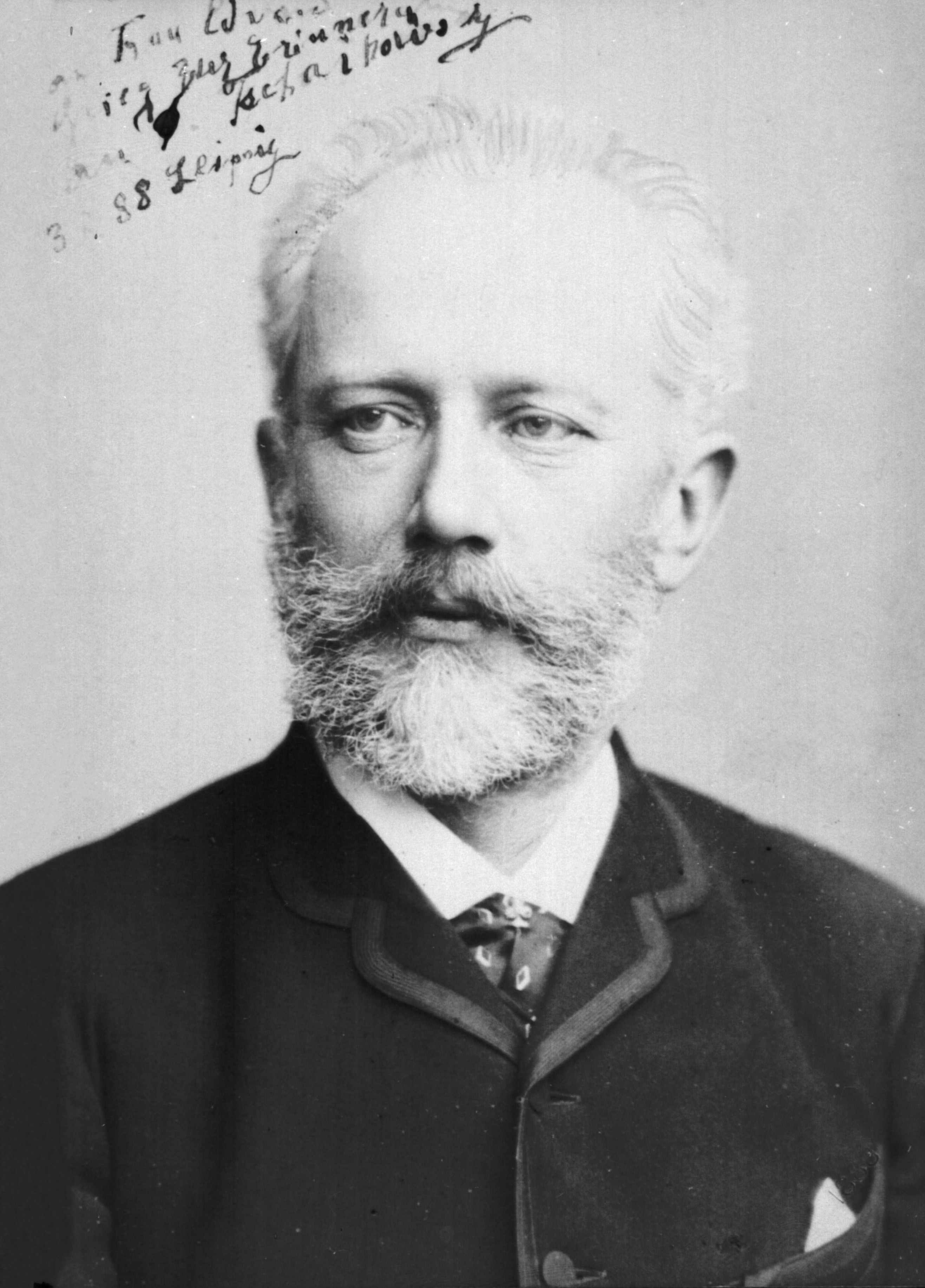
The genesis of The Nutcracker ballet can be traced back to a commission from the Imperial Theatres of Russia, seeking a new work from the celebrated composer Pyotr Ilyich Tchaikovsky and choreographer Marius Petipa. Tchaikovsky, initially hesitant after the demanding composition of The Sleeping Beauty, found inspiration in E. T. A. Hoffmann's "The Nutcracker and the Mouse King," further adapted by Alexandre Dumas père. The ballet premiered in 1892 at the Mariinsky Theatre in St. Petersburg, with Lev Ivanov stepping in to complete the choreography due to Petipa's illness. The initial reception was decidedly mixed; critics found the plot thin and the dual bill with Tchaikovsky's opera "Iolanta" unbalanced, leading to a less enthusiastic reception than anticipated for the full production, though the "Nutcracker Suite" had already achieved considerable success.
⚙️ How It Works
The ballet's narrative structure is deceptively simple, weaving together elements of fantasy, childhood wonder, and the magic of Christmas. Act I introduces Clara, a young girl who receives a nutcracker doll as a Christmas gift, leading to a dreamlike sequence where toys come to life and she battles the tyrannical Mouse King. This act culminates in a journey through the Snow Forest, guided by the Sugar Plum Fairy. Act II transports Clara and her Prince to the Land of Sweets, a fantastical realm ruled by the Sugar Plum Fairy, where various dances, including the iconic "Dance of the Sugar Plum Fairy" and "Waltz of the Flowers", are performed in their honor. The music itself, with its innovative use of the celesta for the Sugar Plum Fairy's theme, is integral to the ballet's enchantment, creating distinct moods and characters through its orchestration and melodic invention.
📊 Key Facts & Numbers
Since its initial lukewarm reception, The Nutcracker has become a global phenomenon. The "Nutcracker Suite" has been recorded by hundreds of orchestras, with sales figures in the millions, and the full ballet's score is considered one of the most frequently performed classical music pieces during the holiday season.
👥 Key People & Organizations
The creation of The Nutcracker involved a constellation of artistic talent. Pyotr Ilyich Tchaikovsky composed the iconic score, his final ballet. Marius Petipa, the preeminent choreographer of his era, conceived the original staging, though Lev Ivanov completed much of the choreography due to Petipa's incapacitation. The ballet was commissioned by Ivan Vsevolozhsky, director of the Imperial Theatres. Later, figures like George Balanchine significantly reinterpreted the ballet in the mid-20th century. The Imperial Mariinsky Theatre served as its premiere venue, and the New York City Ballet's enduring production has cemented its status in American culture.
🌍 Cultural Impact & Influence
The cultural footprint of The Nutcracker is immense, transforming it from a niche ballet into a ubiquitous symbol of Christmas. Its annual performance has become a holiday ritual for millions, often serving as a child's first introduction to classical ballet and orchestral music. The ballet's imagery—from Clara and the Nutcracker Prince to the Sugar Plum Fairy and the Mouse King—has permeated popular culture, appearing in films, television specials, and countless adaptations. The music, particularly the "Nutcracker Suite", is instantly recognizable and frequently used in holiday advertising and media, solidifying its association with the festive season and creating a powerful cultural resonance that transcends generations.
⚡ Current State & Latest Developments
In the current season, The Nutcracker continues its reign as the dominant holiday ballet. Companies like the Royal Ballet in London and the American Ballet Theatre in New York are presenting their established productions, while smaller troupes and regional companies offer their unique interpretations. Innovations continue, with some productions exploring more diverse casting or contemporary staging elements. The enduring appeal ensures that new generations are introduced to the magic, with streaming services and digital archives also making performances more accessible globally. The challenge for many companies remains balancing tradition with the need to attract new audiences in an evolving entertainment landscape.
🤔 Controversies & Debates
Despite its widespread popularity, The Nutcracker is not without its critics and controversies. Some scholars and cultural commentators have pointed to perceived Orientalist tropes in certain character dances, particularly the "Dances of the Divers Nationalities" in Act II, which have been criticized for perpetuating stereotypes. The original story by E. T. A. Hoffmann also contains darker, more psychologically complex elements that are often downplayed or removed in ballet adaptations, leading to debates about sanitizing the narrative for a family audience. Furthermore, the sheer commercialization of the ballet has led to discussions about its artistic integrity versus its role as a holiday cash cow for many performing arts organizations.
🔮 Future Outlook & Predictions
The future of The Nutcracker appears secure, though its form may continue to evolve. We can anticipate further reinterpretations that address contemporary social concerns, potentially by de-emphasizing or reimagining the more problematic "exotic" dances. Digital performance and virtual reality may offer new avenues for experiencing the ballet, reaching audiences beyond traditional theatergoers. Companies will likely continue to experiment with choreography and staging to keep the production fresh, while the core narrative and Tchaikovsky's score are expected to remain central. The enduring magic of Clara's dream and the Land of Sweets suggests that The Nutcracker will remain a holiday staple for decades to come, adapting rather than fading.
💡 Practical Applications
The primary practical application of The Nutcracker is its role as a cornerstone of the holiday season for numerous ballet companies and symphony orchestras. It serves as a crucial training ground for young dancers, providing them with opportunities to perform in professional productions and gain invaluable stage experience. For audiences, it offers a consistent, accessible entry point into the world of classical arts, often serving as a family's annual holiday outing. Beyond live performance, the music is widely used in educational settings, holiday-themed media, and even as background music in retail environments during the Christmas period, demonstrating its pervasive presence in the cultural soundscape.
Key Facts
- Category
- culture
- Type
- event