
Contents
Overview
Spelt's lineage traces back over 8,000 years, with archaeological evidence pointing to its cultivation in the Fertile Crescent around the 7th millennium BCE. It rapidly spread across Europe, becoming a fundamental grain for civilizations from the Neolithic era through the Bronze Age and into the Middle Ages. Its resilience and adaptability allowed it to thrive in diverse climates, making it a cornerstone of diets in regions like Central Europe and Northern Spain. For centuries, spelt was a primary source of sustenance, milled into flour for bread, used in porridges, and even fermented for beer. Its prominence waned with the advent of more easily processed and higher-yielding wheat varieties like Triticum aestivum, relegating spelt to a niche, or 'relict', crop in many areas by the early 20th century. However, its historical significance as a foundational grain for European agriculture cannot be overstated, forming a crucial link to ancient farming practices.
⚙️ How It Works
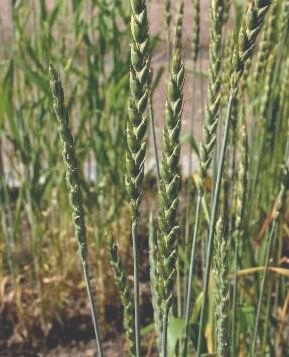
Spelt is a hexaploid wheat, meaning it possesses six sets of chromosomes, a genetic makeup likely resulting from a hybridization event involving ancient wheat species like emmer and possibly a wild grass. This genetic complexity contributes to its unique characteristics. Unlike common wheat, spelt has a tough outer husk that protects the grain from pests and environmental damage, but also requires a more intensive milling process to remove. This husk, however, also helps preserve its nutrients. The grain itself has a distinct nutty flavor and a slightly chewy texture when cooked. In baking, spelt flour behaves differently from all-purpose wheat flour; its gluten structure is more fragile, often requiring adjustments in recipes to prevent overworking the dough, which can lead to dense baked goods. Understanding these physical and genetic traits is key to appreciating its culinary and agricultural distinctiveness.
📊 Key Facts & Numbers
Spelt consistently commands a higher price than conventional wheat in the United States. European countries, particularly Germany, remain significant producers. Nutritionally, spelt typically contains about 10-15% more protein than common wheat, with higher levels of essential amino acids and minerals like zinc and magnesium. A 100-gram serving of cooked spelt can provide around 12 grams of protein and 7 grams of dietary fiber, significantly contributing to daily nutritional intake.
👥 Key People & Organizations
While no single individual is credited with 'inventing' spelt, its historical cultivation involved countless farmers across millennia. In the modern era, figures like Eliot Coleman, a proponent of organic farming and sustainable agriculture, have championed heritage grains like spelt, integrating them into contemporary farming systems. Organizations such as the Whole Grain Council actively promote the benefits of ancient grains, including spelt, through educational campaigns and advocacy. In Australia, brands like Wholegrain Millers have been instrumental in marketing spelt as a premium health food product, contributing to its increased visibility. The American Spelt Association (though its current operational status may vary) has historically worked to promote spelt cultivation and consumption within the United States.
🌍 Cultural Impact & Influence
Spelt's cultural impact is deeply embedded in the agricultural history of Europe. For centuries, it was the backbone of diets, influencing bread-making traditions and culinary practices across numerous regions. Its re-emergence as a health food has created a new cultural narrative, associating it with wellness, natural living, and a connection to ancestral foodways. This shift has influenced artisanal bakeries and health-conscious consumers, leading to a demand for spelt flour and spelt-based products in farmers' markets and specialty food stores. The grain's nutty flavor and slightly sweet profile have also found favor in modern cuisine, appearing in everything from pasta dishes to breakfast cereals, further cementing its place in contemporary food culture.
⚡ Current State & Latest Developments
The current state of spelt cultivation is one of resurgence, driven by consumer demand for healthier and more diverse food options. Organic farming practices are increasingly being applied to spelt production, aligning with market trends. New milling technologies are also emerging, aiming to efficiently process the grain while preserving its nutritional integrity. Furthermore, ongoing research into spelt's genetic makeup and its potential benefits for individuals with mild gluten sensitivities (though it is not gluten-free) continues to fuel interest and innovation in its cultivation and application.
🤔 Controversies & Debates
One of the primary debates surrounding spelt centers on its classification: is it a distinct species (Triticum spelta) or a subspecies of common wheat (Triticum aestivum subsp. spelta)? While botanically nuanced, this distinction impacts how it's perceived and marketed. Another point of contention, albeit a minor one, is its suitability for individuals with celiac disease. While some individuals with non-celiac gluten sensitivity report better tolerance to spelt than to common wheat, it still contains gluten and is not safe for those with celiac disease. The marketing of spelt as a 'superfood' also draws scrutiny, with some critics arguing that while nutritious, its benefits are often exaggerated compared to other whole grains.
🔮 Future Outlook & Predictions
The future outlook for spelt appears robust, with projections indicating continued growth in both production and consumption. As consumer awareness of the benefits of ancient grains increases, spelt is poised to capture a larger share of the specialty grain market. Innovations in breeding may yield spelt varieties with improved yields and easier processing. We could see a further diversification of spelt products, moving beyond traditional baked goods into areas like snacks and even beverages. The potential for spelt to be a key component in sustainable agriculture systems, given its resilience, also bodes well for its long-term viability. By 2030, global spelt production is predicted to reach 2 million metric tons.
💡 Practical Applications
Spelt's primary practical application remains in the culinary world. It is milled into flour, which can be used as a substitute for or in combination with all-purpose flour in a wide range of baked goods, including breads, cakes, cookies, and pastries. Its nutty flavor makes it particularly well-suited for rustic breads and hearty muffins. Spelt berries can be cooked and used as a side dish, added to salads, or incorporated into pilafs, offering a chewy texture and wholesome flavor. It is also used in the production of pasta, breakfast cereals, and even in some artisanal beer brewing processes, contributing a unique flavor profile. Its high protein content also makes it an attractive ingredient for health-focused food products.
Key Facts
- Category
- nature
- Type
- concept