
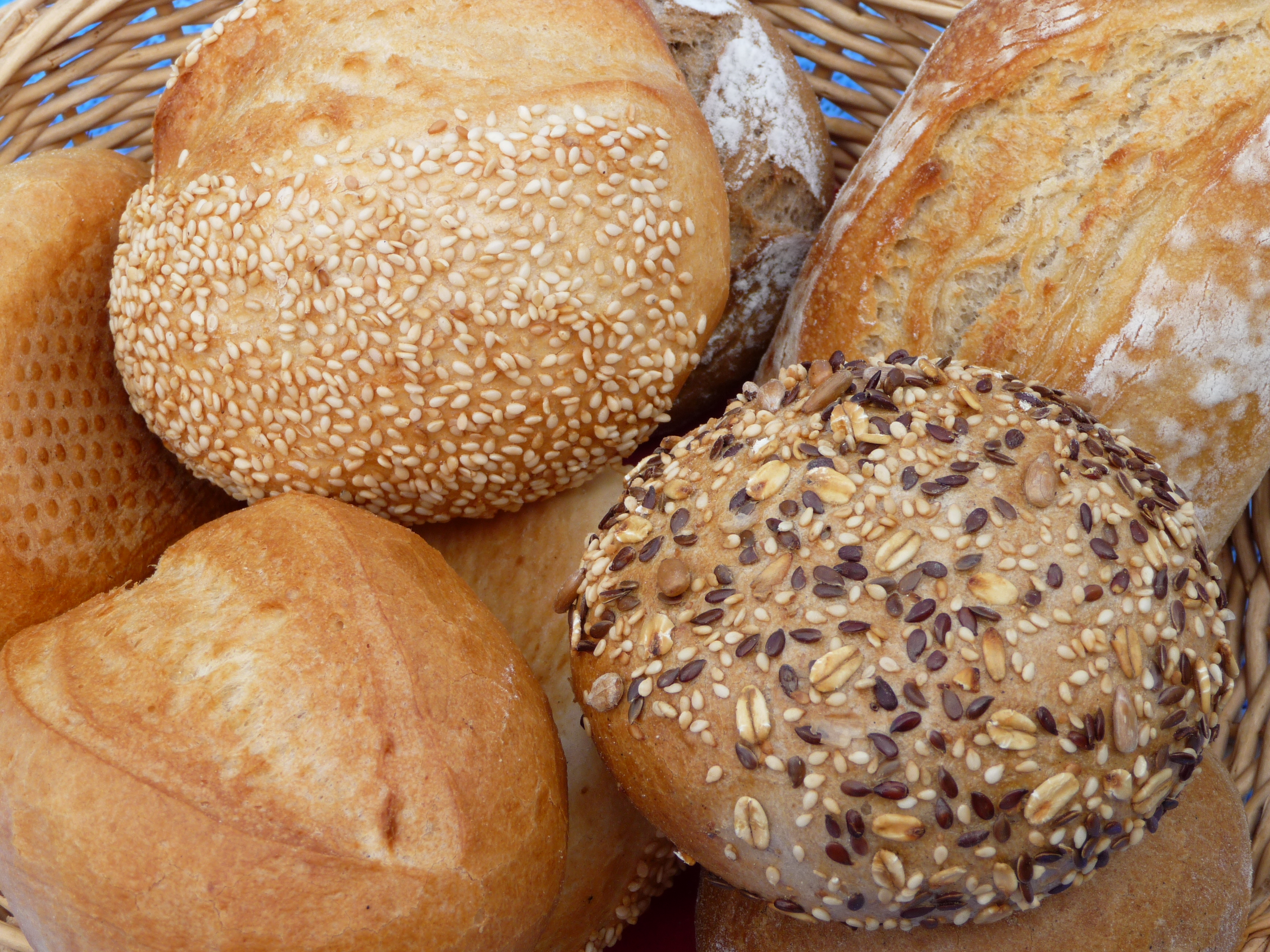
Contents
Overview
The roots of artisanal baking stretch back to the earliest days of civilization, long before the advent of industrialization. For millennia, bakers were highly skilled artisans, their techniques passed down through generations, often within family guilds. The medieval period saw the rise of bakeries as essential community hubs, with regulations often dictating the quality of flour and the price of bread. The modern artisanal baking movement, as we recognize it today, began to gain traction, spurred by a renewed interest in heritage grains, slow food principles, and a desire to reclaim culinary traditions from the homogenizing effects of industrial food systems. Pioneers like Richard Bertinet and Peter Reinhart in the late 20th and early 21st centuries were instrumental in reintroducing and popularizing these techniques through their books and workshops, sparking a global resurgence.
⚙️ How It Works
At its heart, artisanal baking is about control and intention. Unlike industrial processes that rely on standardized ingredients and rapid production, artisanal bakers meticulously manage variables. This begins with ingredient selection: often favoring heritage or single-origin flours from mills like Anthony's Goods or King Arthur Baking Company, which offer distinct flavor profiles and gluten structures. The leavening process is crucial, frequently employing sourdough starters – a symbiotic culture of wild yeasts and lactic acid bacteria – which require days, sometimes weeks, to cultivate and maintain. This slow fermentation develops complex flavors and improves digestibility. Bakers then employ precise techniques for mixing, kneading (often by hand or with specialized mixers that mimic hand action), shaping, and proofing, carefully monitoring dough temperature and ambient conditions. The final bake, typically in deck ovens or wood-fired hearths, is critical for achieving the desired crust, crumb, and oven spring, with bakers often adjusting heat and steam throughout the process to achieve optimal results.
📊 Key Facts & Numbers
The artisanal baking sector, while a fraction of the global baked goods market, represents significant economic and cultural value. Globally, the market for artisan bread is projected to grow, with some reports estimating a compound annual growth rate (CAGR) of 4-6% over the next five years. This growth is driven by consumer demand for healthier, more flavorful, and sustainably produced food options.
👥 Key People & Organizations
Key figures and organizations have shaped the artisanal baking landscape. Richard Bertinet, a French baker based in the UK, is renowned for his hands-on approach and emphasis on dough hydration, detailed in his book 'Dough.' Peter Reinhart, an American baker and author, has been a leading voice in promoting sourdough and whole grain baking through works like 'The Bread Baker's Apprentice.' Chad Robertson, founder of Tartine Bakery in San Francisco, is celebrated for his distinctive country loaves and influence on modern sourdough techniques. Organizations like the Specialty Food Association advocate for and promote artisanal producers, while educational institutions such as the San Francisco Baking Institute and King Arthur Baking Company Flour School offer professional training. Local bakeries, from small neighborhood shops to larger regional operations like Balthazar Bakery in New York, serve as crucial community anchors and incubators of talent.
🌍 Cultural Impact & Influence
Artisanal baking has profoundly influenced global food culture, elevating bread from a mere staple to a culinary art form. It has fostered a greater appreciation for the provenance of ingredients, encouraging consumers to seek out local farmers and millers, thereby supporting regional agriculture. This movement has also spurred a revival of traditional grain varieties, such as emmer and spelt, which offer unique flavors and nutritional profiles distinct from modern high-yield wheats. The rise of 'foodie' culture and the popularity of cooking shows and social media platforms like Instagram have further amplified the visibility and desirability of artisanal products. The emphasis on slow food principles and mindful consumption, championed by organizations like Slow Food International, aligns perfectly with the ethos of artisanal baking, promoting a more sustainable and enjoyable relationship with food. This has led to a broader cultural shift, where quality, craftsmanship, and story are valued as much as, if not more than, convenience and price.
⚡ Current State & Latest Developments
The artisanal baking scene is currently experiencing robust growth, driven by heightened consumer awareness of health, sustainability, and culinary quality. Post-pandemic, there's been a sustained interest in home baking, with many consumers continuing to seek out high-quality ingredients and techniques learned during lockdowns. New bakeries are opening in urban centers and suburban towns alike, often focusing on niche products like naturally leavened pastries, gluten-free artisanal breads, or baked goods made with ancient grains. Technology is also playing a role, with online ordering platforms and direct-to-consumer shipping becoming more prevalent for artisanal producers. Furthermore, there's a growing emphasis on sustainability, with bakers exploring practices like reducing food waste, using renewable energy sources for ovens, and sourcing ingredients from regenerative farms. The development of specialized flours and the refinement of fermentation techniques continue to push the boundaries of what's possible in artisanal baking.
🤔 Controversies & Debates
The primary debate within artisanal baking often centers on definition and authenticity. What truly constitutes 'artisanal'? Is it the use of specific ingredients, the batch size, the manual labor involved, or the baker's skill and intention? Critics sometimes argue that the 'artisanal' label can be a marketing ploy, used to justify higher prices without a commensurate increase in quality or adherence to traditional methods. The reliance on sourdough, while celebrated, can also be a point of contention, with some arguing that other leavening methods or even unleavened breads can be equally artisanal. Another ongoing discussion involves the accessibility of artisanal baking; while it champions quality, the cost of ingredients and the time-intensive processes can make these products less affordable for a broad segment of the population. The tension between tradition and innovation also surfaces, with debates on how much deviation from historical methods is acceptable before a product ceases to be truly 'artisanal'.
🔮 Future Outlook & Predictions
The future of artisanal baking appears bright, with continued growth projected as consumers increasingly prioritize quality, health, and ethical sourcing. We can anticipate further innovation in ingredient sourcing, with a deeper exploration of regional grains and alternative flours, potentially including insect-based proteins or algae for enhanced nutrition and sustainability. Advances in oven technology, perhaps incorporating AI for precise temperature and steam control, could allow for greater consistency
Key Facts
- Category
- culture
- Type
- topic