
Contents
- 🥃 What Was Prohibition, Anyway?
- 📜 The Temperance Movement: Seeds of the 'Noble Experiment'
- 🍸 The Volstead Act: The Engine of Enforcement
- 💰 The Economic Fallout: Bootleggers, Speakeasies, and Organized Crime
- ⚖️ The Legal Battles: Loopholes and Enforcement Failures
- 📉 The Social Impact: Shifting Morals and Public Opinion
- 🥂 Repeal: The End of an Era
- 💡 Lessons Learned: Prohibition's Lingering Legacy
- Frequently Asked Questions
- Related Topics
Overview
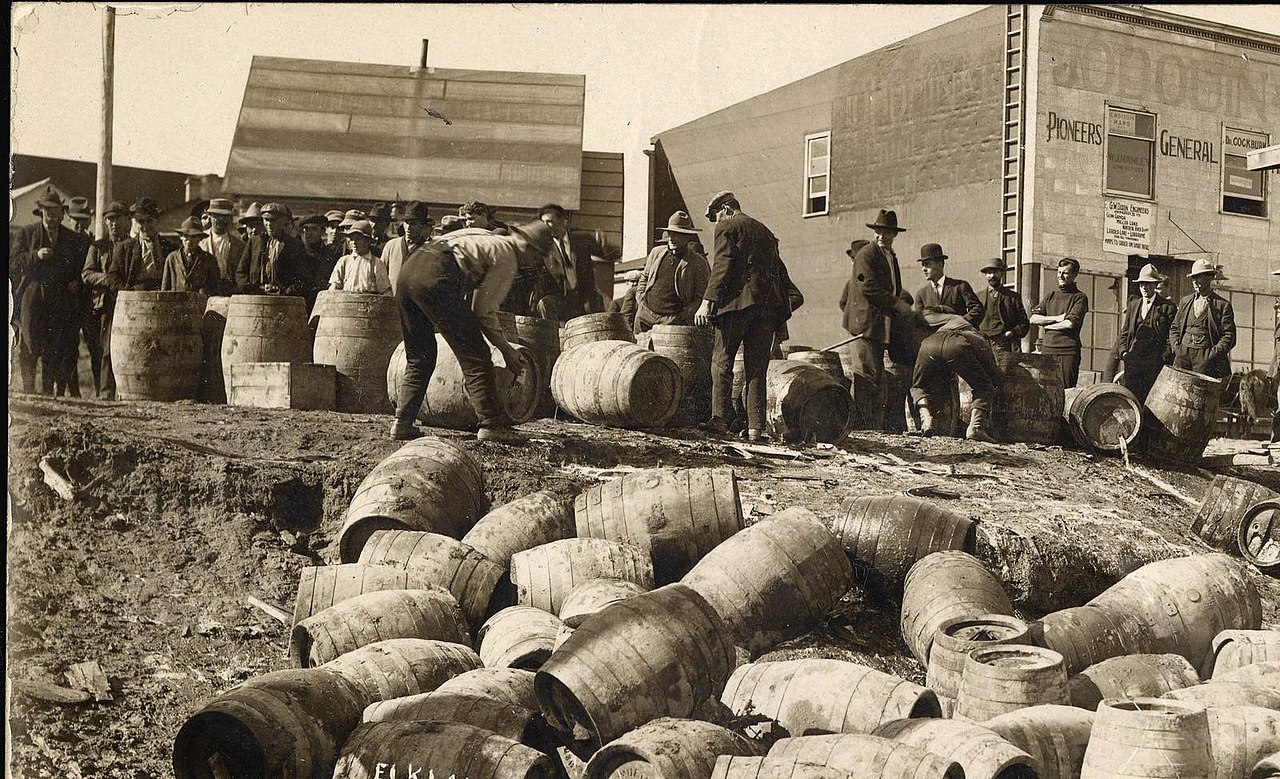
Prohibition, officially enacted in the United States from 1920 to 1933, was a nationwide constitutional ban on the production, importation, transportation, sale, and consumption of alcoholic beverages. This era, often dubbed America's 'Noble Experiment,' was driven by a complex mix of religious fervor, social reform movements, and political maneuvering. While intended to reduce crime and improve public health, its actual impact was far more tumultuous, fundamentally altering American society and its relationship with law and order. Understanding Prohibition requires looking beyond the simple act of banning alcohol to the intricate web of causes and consequences it unleashed.
📜 The Temperance Movement: Seeds of the 'Noble Experiment'
The roots of Prohibition run deep into the 19th-century Temperance Movement. Fueled by religious groups, particularly evangelical Protestants, and women's suffrage advocates, the movement argued that alcohol was the cause of societal ills like poverty, domestic violence, and moral decay. Organizations like the Woman's Christian Temperance Union (WCTU) and the Anti-Saloon League tirelessly lobbied politicians, employing sophisticated propaganda and grassroots organizing. Their persistent efforts, culminating in the passage of the 18th Amendment to the U.S. Constitution, laid the groundwork for the nationwide ban.
🍸 The Volstead Act: The Engine of Enforcement
The Volstead Act, officially the National Prohibition Act, was the legislative vehicle that defined and enforced the 18th Amendment. Passed in 1919, it set the legal definition of 'intoxicating liquors' as any beverage containing more than 0.5% alcohol by volume, effectively outlawing beer, wine, and spirits. The act granted significant powers to the Bureau of Prohibition within the Department of the Treasury, tasked with investigating and prosecuting violations. However, the sheer scale of the undertaking, coupled with underfunding and widespread corruption, severely hampered its effectiveness from the outset.
💰 The Economic Fallout: Bootleggers, Speakeasies, and Organized Crime
The economic repercussions of Prohibition were profound and largely unintended. While saloons and breweries shut down, a massive black market for alcohol exploded. Bootlegging, the illegal production and distribution of alcohol, became a lucrative enterprise, fueling the rise of powerful organized crime syndicates. Figures like Al Capone in Chicago amassed fortunes and wielded considerable influence through violence and intimidation. Simultaneously, clandestine drinking establishments known as speakeasies proliferated, creating a new, often glamorous, subculture that defied the law.
⚖️ The Legal Battles: Loopholes and Enforcement Failures
Enforcing Prohibition proved to be a Sisyphean task, riddled with legal challenges and practical limitations. The Bureau of Prohibition was notoriously understaffed and underfunded, making it impossible to police the nation's vast borders and countless hidden distilleries. Furthermore, judicial systems were overwhelmed with Prohibition-related cases, leading to plea bargains and light sentences. Public defiance, coupled with the realization that the law was creating more problems than it solved, eroded support for its strict enforcement, highlighting the inherent difficulties in legislating morality.
🥂 Repeal: The End of an Era
By the early 1930s, the failures of Prohibition were undeniable. The economic benefits of taxing alcohol, especially during the Great Depression, became increasingly attractive. Public opinion had shifted dramatically, with a growing consensus that the 'Noble Experiment' had been a costly mistake. The 21st Amendment, ratified in 1933, repealed the 18th Amendment, ending national Prohibition. This marked a significant victory for those who argued for individual liberty and against government overreach in personal choices.
💡 Lessons Learned: Prohibition's Lingering Legacy
The legacy of Prohibition continues to resonate in American society. It serves as a stark historical lesson on the unintended consequences of legislating morality and the challenges of enforcing unpopular laws. The era's impact on organized crime, the development of law enforcement techniques, and the shifting cultural attitudes towards alcohol consumption are subjects of ongoing study. The debate over the role of government in regulating personal behavior, a central tension during Prohibition, remains a recurring theme in contemporary American politics and policy discussions.
Key Facts
- Year
- 1920
- Origin
- United States
- Category
- History
- Type
- Historical Period
Frequently Asked Questions
When did Prohibition officially begin and end in the United States?
Prohibition officially began on January 17, 1920, with the ratification of the 18th Amendment. It officially ended on December 5, 1933, with the ratification of the 21st Amendment, which repealed the 18th Amendment. This period, spanning just over 13 years, is often referred to as the 'Dry Era' in American history.
What was the primary motivation behind the Prohibition movement?
The primary motivations were rooted in the Temperance Movement, which viewed alcohol as the cause of numerous societal problems. Advocates believed that banning alcohol would reduce crime, poverty, domestic violence, and improve public health and morality. Religious groups, particularly evangelical Protestants, were a driving force, seeing alcohol consumption as sinful.
Was Prohibition successful in reducing alcohol consumption?
While Prohibition did lead to a significant decrease in per capita alcohol consumption, especially in the initial years, it was far from a complete success. The rise of illegal production and distribution meant that alcohol remained accessible, albeit through illicit channels. Many historians argue that the law's enforcement was so poor and its unintended consequences so severe that its overall success is highly debatable.
How did Prohibition contribute to the rise of organized crime?
By creating a highly profitable black market for alcohol, Prohibition provided an unprecedented opportunity for criminal organizations. Syndicates like Al Capone's Chicago Outfit became incredibly wealthy and powerful by controlling bootlegging operations, speakeasies, and related rackets. This influx of cash and power allowed organized crime to expand its influence into other illicit activities and corrupt law enforcement.
What were speakeasies and why were they important?
Speakeasies were illegal establishments that sold alcoholic beverages during Prohibition. They were crucial because they provided a place for people to drink openly, albeit in secret, and fostered a new social scene. Many speakeasies became popular social hubs, often featuring live music and entertainment, and played a significant role in the cultural landscape of the era.
Why was Prohibition eventually repealed?
Prohibition was repealed for several key reasons. The widespread failure to enforce the law, the explosion of organized crime, the loss of tax revenue from alcohol sales, and a growing public sentiment that the 'Noble Experiment' had failed and was causing more harm than good. The economic desperation of the Great Depression also made the potential tax revenue from legal alcohol sales highly appealing.