
Contents
Overview
The ozone layer is a complex phenomenon involving a significant thinning of Earth's protective ozone shield, particularly pronounced in the upper atmosphere and around the polar regions. This isn't just a theoretical concern; it's a measurable reality with profound implications for life on our planet. The most dramatic manifestation, the 'ozone hole,' is a seasonal thinning that occurs over Antarctica each spring, though similar, less severe events are observed over the Arctic. Understanding this issue is crucial for anyone interested in global environmental shifts and the delicate balance of our atmosphere.
🕰️ A Brief History of the Hole
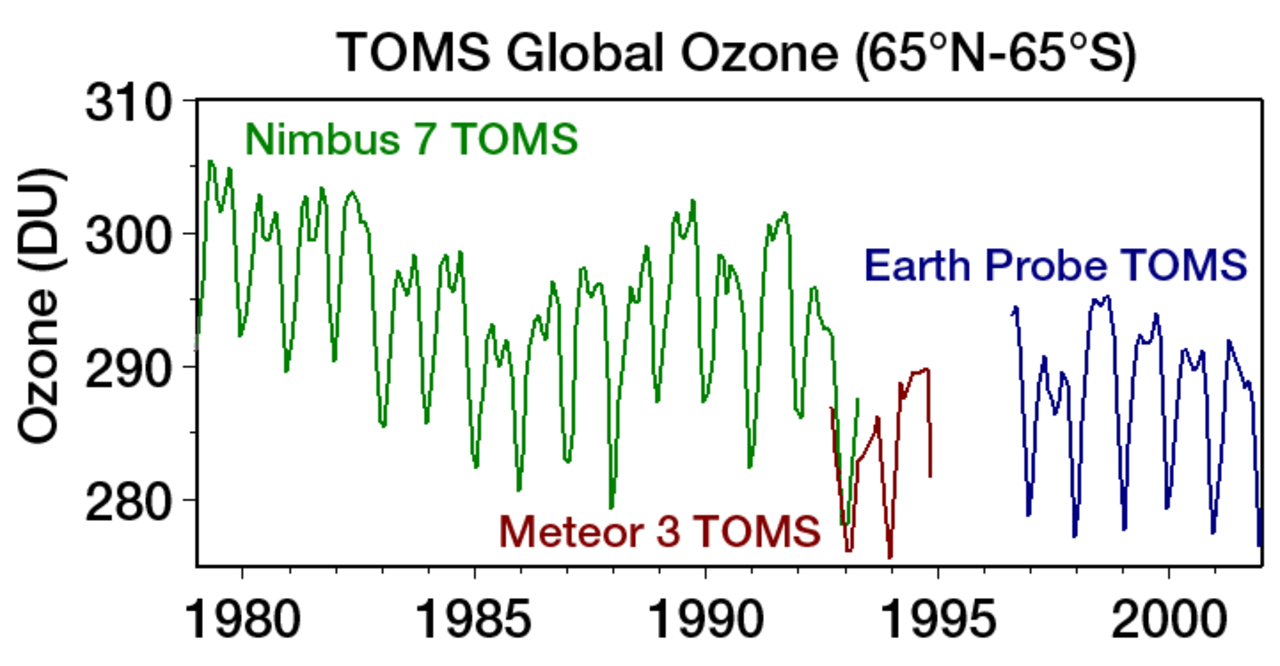
The story of ozone depletion really kicks off in the late 1970s when scientists began noticing alarming trends. The initial observations of a general thinning of stratospheric ozone were soon followed by the dramatic discovery of the Antarctic ozone hole in 1985 by researchers like Joe Farman, Brian Gardiner, and Jonathan Shanklin. This wasn't a gradual decline; it was a stark, undeniable depletion that sent shockwaves through the scientific and political communities, prompting urgent calls for action and a re-evaluation of industrial practices.
🔬 The Science Behind the Thinning
At its core, ozone depletion is driven by human-made chemicals, primarily CFCs and halons, which were once widely used in refrigerants, aerosols, and fire suppressants. These stable compounds rise into the stratosphere, where they are broken down by ultraviolet radiation, releasing chlorine and bromine atoms. These atoms then act as catalysts, destroying ozone molecules at an astonishing rate. A single chlorine atom can destroy thousands of ozone molecules before it's eventually removed from the stratosphere, a process that highlights the potent and persistent nature of these chemicals.
📉 The Impact: What's at Stake?
The consequences of a weakened ozone layer are far-reaching and potentially devastating. The primary concern is the increased penetration of harmful UV-B radiation to Earth's surface. This can lead to a rise in skin cancers and cataracts in humans, suppress immune systems, and damage crops and marine ecosystems. Phytoplankton, the base of the marine food web, are particularly vulnerable, and their decline could have cascading effects throughout ocean ecosystems. The potential for widespread ecological disruption and increased human health risks makes ozone depletion a critical issue.
🤝 Global Action: The Montreal Protocol
The global response to ozone depletion is often hailed as a triumph of international cooperation. The Montreal Protocol, signed in 1987, is a landmark international treaty designed to phase out the production and consumption of ozone-depleting substances. This agreement, ratified by nearly every country, has been remarkably effective, demonstrating that coordinated global action can indeed address complex environmental threats. Its success is a powerful case study in how science, policy, and industry can align to protect the planet.
📈 The Recovery: Signs of Hope
The good news is that the Montreal Protocol is working. Scientific assessments, such as those by the WMO and the UNEP, consistently show that the ozone layer is on a path to recovery. The Antarctic ozone hole is gradually shrinking, and the overall concentration of ozone-depleting substances in the atmosphere has significantly decreased. Projections suggest that the ozone layer could fully recover to 1980 levels by the mid-21st century, a testament to the protocol's effectiveness and sustained global commitment.
⚠️ Lingering Threats & Future Concerns
Despite the encouraging signs of recovery, challenges remain. The accidental discovery in 2018 of emissions of trichlorofluoromethane (CFC-11), a banned substance, from East Asia highlighted the need for continued vigilance and robust monitoring. Furthermore, the interaction between ozone depletion and climate change is complex, with some climate models suggesting that greenhouse gases could potentially slow the recovery of the ozone layer in certain regions. Emerging chemicals and unforeseen industrial activities also pose potential risks that require ongoing scientific scrutiny.
💡 How You Can Help
While the heavy lifting of policy and industrial change has been done, individuals can still play a role in supporting ozone layer health. This includes staying informed about environmental issues, supporting policies that promote sustainable practices, and ensuring proper disposal of old appliances that might contain ozone-depleting substances. Educating yourself and others about the importance of the ozone layer and the success of the Montreal Protocol can foster continued public support for these vital environmental protections. Your awareness contributes to the ongoing vigilance needed to safeguard our atmosphere.
Key Facts
- Year
- 1974
- Origin
- Scientific discovery of CFC impact on ozone
- Category
- Environmental Science & Policy
- Type
- Environmental Phenomenon
Frequently Asked Questions
Is the ozone hole completely gone?
No, the ozone hole is not completely gone, but it is gradually shrinking. The Antarctic ozone hole is a seasonal phenomenon that occurs each spring (August-October). While the overall trend shows recovery thanks to the Montreal Protocol, it will take several decades for the ozone layer to fully return to its pre-1980 levels. Continued monitoring and adherence to international agreements are crucial.
What are the main causes of ozone depletion?
The primary causes are human-made chemicals, particularly chlorofluorocarbons (CFCs), halons, and related compounds. These substances, once common in refrigerants, aerosols, and fire extinguishers, release chlorine and bromine atoms in the stratosphere, which catalytically destroy ozone molecules. The widespread use of these chemicals before the Montreal Protocol led to significant depletion.
How does ozone depletion affect human health?
The thinning of the ozone layer allows more harmful ultraviolet (UV-B) radiation to reach Earth's surface. This increased UV-B exposure is linked to a higher incidence of skin cancers (melanoma and non-melanoma), cataracts, and immune system suppression in humans. Protecting the ozone layer is therefore a direct measure for safeguarding public health.
What is the difference between ozone depletion and climate change?
Ozone depletion and climate change are distinct but related environmental issues. Ozone depletion refers to the thinning of the stratospheric ozone layer, primarily caused by CFCs, which protects us from UV radiation. Climate change, on the other hand, is the long-term shift in global weather patterns, largely driven by increased greenhouse gas concentrations (like CO2) that trap heat. Some greenhouse gases can indirectly affect the ozone layer, and vice versa.
Can we still use products with CFCs?
No, the production and consumption of CFCs and other major ozone-depleting substances have been phased out globally under the Montreal Protocol. While some older equipment might still contain these substances, their use is heavily restricted, and new production is banned. Efforts are ongoing to safely manage and dispose of existing stocks.
What are the signs that the ozone layer is recovering?
Scientists monitor ozone levels using ground-based instruments and satellites. The key indicators of recovery include a decrease in the size and depth of the Antarctic ozone hole, an increase in total global ozone concentrations, and a reduction in the atmospheric abundance of ozone-depleting substances. Regular scientific assessments confirm these positive trends.