
Contents
- 🙏 Introduction to Loving Kindness
- 📍 Origins and History
- 💆♀️ Benefits of Loving Kindness Meditation
- 📚 Key Concepts and Principles
- 👥 Comparison with Similar Practices
- 💰 Incorporating Loving Kindness into Daily Life
- 🙏 Practical Tips for Cultivating Loving Kindness
- 📈 Overcoming Challenges and Obstacles
- 🌎 Global Influence and Cultural Significance
- 📊 Measuring the Impact of Loving Kindness
- 👫 Getting Started with Loving Kindness
- 🤝 Community and Resources
- Frequently Asked Questions
- Related Topics
Overview
Loving kindness, also known as metta meditation, is a practice that originated in ancient India and was popularized by Buddhist teachings. It involves focusing on sending kind thoughts to oneself and others, with the aim of cultivating compassion, empathy, and understanding. This practice has been shown to increase positive emotions, social connections, and even physical health. The practice typically begins with oneself, then moves on to friends, neutral people, and finally those with whom one has difficulty. With a vibe rating of 8, loving kindness has been widely adopted by mindfulness and meditation communities, and is often taught by prominent figures such as Sharon Salzberg and Jack Kornfield. As of 2022, loving kindness has been the subject of numerous scientific studies, with researchers such as Barbara Fredrickson and Kristin Neff exploring its effects on mental and physical well-being.
🙏 Introduction to Loving Kindness
Loving kindness, also known as metta, is a powerful practice that originated in ancient Buddhist traditions. It involves cultivating a sense of kindness, compassion, and love towards oneself and others. This practice is rooted in the idea that all beings deserve to be happy and free from suffering. In the Hebrew Bible, the concept of Chesed (loving kindness) is also prominent, highlighting the importance of kindness and mercy in human relationships. By incorporating loving kindness into our daily lives, we can experience a deeper sense of connection and understanding with others, as well as improved mental and emotional well-being.
📍 Origins and History
The origins of loving kindness can be traced back to ancient Indian and Tibetan cultures, where it was practiced as a form of meditation and spiritual development. The concept of loving kindness is also deeply rooted in Jewish tradition, where it is known as Chesed (loving kindness). In the Psalms, Chesed is frequently used to describe the loving kindness of God towards humanity. Similarly, in Buddhist teachings, loving kindness is considered an essential quality for achieving enlightenment and promoting harmony among all beings. The practice of loving kindness has been influenced by various spiritual traditions, including Sufi and Christian teachings.
💆♀️ Benefits of Loving Kindness Meditation
The benefits of loving kindness meditation are numerous and well-documented. Regular practice has been shown to increase feelings of empathy and compassion, reduce stress and anxiety, and improve relationships with others. Loving kindness meditation can also help to cultivate a sense of self-love and self-acceptance, leading to greater overall well-being. By incorporating loving kindness into our daily routine, we can experience a greater sense of calm and clarity, as well as improved emotional regulation. This practice is closely related to other mindfulness practices, such as mindfulness meditation and compassion training.
📚 Key Concepts and Principles
At its core, loving kindness is based on the principles of kindness, compassion, and understanding. It involves cultivating a sense of love and acceptance towards oneself and others, without judgment or condition. This practice is rooted in the understanding that all beings are interconnected and deserving of love and respect. The concept of loving kindness is closely tied to the idea of interdependence, which recognizes that our individual well-being is linked to the well-being of others. By embracing this principle, we can cultivate a deeper sense of empathy and compassion, leading to more harmonious relationships and a greater sense of global unity. For more information on interdependence, see systems thinking and global citizenship.
👥 Comparison with Similar Practices
Loving kindness is often compared to other mindfulness practices, such as loving-kindness meditation and transcendental meditation. While these practices share some similarities, loving kindness is distinct in its focus on cultivating kindness and compassion towards oneself and others. Other practices, such as yoga and tai chi, also incorporate elements of loving kindness, but may have different emphasis and goals. For example, yoga may focus more on physical postures and breathing techniques, while tai chi may emphasize slow, flowing movements. By exploring these different practices, we can find the approach that best suits our individual needs and goals.
💰 Incorporating Loving Kindness into Daily Life
Incorporating loving kindness into daily life can be simple and accessible. One way to start is by practicing loving kindness meditation, which involves focusing on the breath and cultivating feelings of kindness and compassion towards oneself and others. We can also incorporate loving kindness into our daily interactions, by practicing active listening, empathy, and understanding. By doing so, we can create a more positive and supportive environment, both for ourselves and those around us. For more information on mindfulness in daily life, see mindfulness in daily life and emotional intelligence.
🙏 Practical Tips for Cultivating Loving Kindness
Cultivating loving kindness requires patience, dedication, and practice. One way to start is by setting aside a few minutes each day to focus on the breath and cultivate feelings of kindness and compassion. We can also practice loving kindness by engaging in acts of service and volunteerism, which can help to cultivate a sense of empathy and understanding towards others. Additionally, we can surround ourselves with positive and supportive relationships, which can help to reinforce our practice of loving kindness. For more information on building positive relationships, see positive relationships and social support.
📈 Overcoming Challenges and Obstacles
Despite its many benefits, loving kindness can also present challenges and obstacles. One common challenge is the tendency to feel overwhelmed or discouraged by the suffering and injustices of the world. To overcome this, it can be helpful to focus on small, tangible actions that we can take to make a positive difference. We can also practice self-compassion and self-care, by acknowledging our own limitations and vulnerabilities. By doing so, we can cultivate a greater sense of resilience and perseverance, even in the face of adversity. For more information on self-compassion, see self-compassion and resilience.
🌎 Global Influence and Cultural Significance
Loving kindness has had a profound impact on cultures and communities around the world. In Tibetan culture, loving kindness is considered an essential quality for achieving enlightenment and promoting harmony among all beings. Similarly, in Native American cultures, loving kindness is often associated with the concept of mitakuye oyasin, or 'we are all related'. By embracing this principle, we can cultivate a deeper sense of global unity and cooperation, leading to a more peaceful and harmonious world. For more information on global unity, see global citizenship and international cooperation.
📊 Measuring the Impact of Loving Kindness
Measuring the impact of loving kindness can be a complex and multifaceted task. One way to approach this is by tracking changes in our own behavior and attitudes, such as increased feelings of empathy and compassion. We can also look to external metrics, such as improvements in relationships and community cohesion. By using a combination of these approaches, we can gain a deeper understanding of the impact of loving kindness and make informed decisions about how to cultivate and sustain this practice. For more information on measuring impact, see evaluation and impact assessment.
👫 Getting Started with Loving Kindness
Getting started with loving kindness is simple and accessible. One way to begin is by finding a qualified teacher or guide, who can provide instruction and support in cultivating this practice. We can also start by practicing loving kindness meditation, which involves focusing on the breath and cultivating feelings of kindness and compassion towards oneself and others. By taking these first steps, we can embark on a journey of personal growth and transformation, leading to greater happiness, harmony, and fulfillment. For more information on getting started, see mindfulness for beginners and loving-kindness meditation.
🤝 Community and Resources
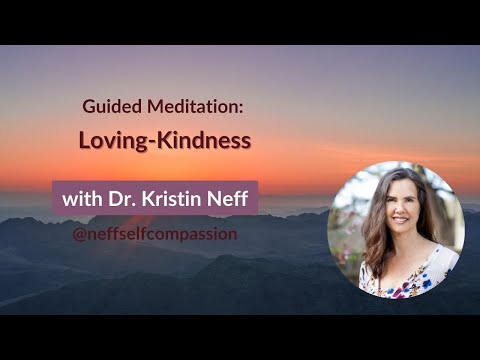
There are many resources available for those interested in cultivating loving kindness. Online communities and forums, such as mindfulness community and loving-kindness community, provide a space for connection and support. We can also find guided meditations and instructional videos, such as loving-kindness meditation and mindfulness meditation, which can help to deepen our practice. By exploring these resources, we can find the support and guidance we need to cultivate loving kindness and achieve our goals.
Key Facts
- Year
- 2022
- Origin
- Ancient India
- Category
- Mindfulness and Spirituality
- Type
- Meditation Practice
Frequently Asked Questions
What is loving kindness?
Loving kindness, also known as metta, is a powerful practice that involves cultivating a sense of kindness, compassion, and love towards oneself and others. This practice is rooted in the idea that all beings deserve to be happy and free from suffering. For more information, see loving-kindness and Metta.
How do I practice loving kindness?
One way to practice loving kindness is by focusing on the breath and cultivating feelings of kindness and compassion towards oneself and others. We can also practice loving kindness by engaging in acts of service and volunteerism, which can help to cultivate a sense of empathy and understanding towards others. For more information, see loving-kindness meditation and mindfulness in daily life.
What are the benefits of loving kindness?
The benefits of loving kindness are numerous and well-documented. Regular practice has been shown to increase feelings of empathy and compassion, reduce stress and anxiety, and improve relationships with others. Loving kindness can also help to cultivate a sense of self-love and self-acceptance, leading to greater overall well-being. For more information, see benefits of loving-kindness and mindfulness benefits.
How can I incorporate loving kindness into my daily life?
Incorporating loving kindness into daily life can be simple and accessible. One way to start is by practicing loving kindness meditation, which involves focusing on the breath and cultivating feelings of kindness and compassion towards oneself and others. We can also practice loving kindness by engaging in acts of service and volunteerism, which can help to cultivate a sense of empathy and understanding towards others. For more information, see mindfulness in daily life and loving-kindness in daily life.
What are some common challenges to practicing loving kindness?
Despite its many benefits, loving kindness can also present challenges and obstacles. One common challenge is the tendency to feel overwhelmed or discouraged by the suffering and injustices of the world. To overcome this, it can be helpful to focus on small, tangible actions that we can take to make a positive difference. We can also practice self-compassion and self-care, by acknowledging our own limitations and vulnerabilities. For more information, see challenges to loving-kindness and overcoming challenges.
How can I measure the impact of loving kindness?
Measuring the impact of loving kindness can be a complex and multifaceted task. One way to approach this is by tracking changes in our own behavior and attitudes, such as increased feelings of empathy and compassion. We can also look to external metrics, such as improvements in relationships and community cohesion. By using a combination of these approaches, we can gain a deeper understanding of the impact of loving kindness and make informed decisions about how to cultivate and sustain this practice. For more information, see evaluation and impact assessment.
What are some resources for learning more about loving kindness?
There are many resources available for those interested in cultivating loving kindness. Online communities and forums, such as mindfulness community and loving-kindness community, provide a space for connection and support. We can also find guided meditations and instructional videos, such as loving-kindness meditation and mindfulness meditation, which can help to deepen our practice. For more information, see resources for loving-kindness and loving-kindness books.