
Contents
- 🎵 Origins & History
- ⚙️ How It Works
- 📊 Key Facts & Numbers
- 👥 Key People & Organizations
- 🌍 Cultural Impact & Influence
- ⚡ Current State & Latest Developments
- 🤔 Controversies & Debates
- 🔮 Future Outlook & Predictions
- 💡 Practical Applications
- 📚 Related Topics & Deeper Reading
- Frequently Asked Questions
- Related Topics
Overview
The concept of immersive, dome-shaped viewing environments predates modern technology, with ancient Roman and Greek cultures constructing hemispherical structures. However, the modern fulldome era truly began to coalesce with the development of the planetarium in the early 20th century, notably the Zeiss projector unveiled in Jena, Germany, in 1923, which simulated the night sky. Early attempts at full-dome film projection, such as Omnimax using 70mm film and fisheye lenses, emerged in the 1960s, offering a wider field of view but still falling short of complete hemispherical coverage. The true revolution arrived in the mid-1990s with the advent of digital computer graphics and high-resolution projectors, enabling real-time rendering and seamless coverage of the entire dome surface. Pioneers like Scott Stewart and organizations such as the International Planetarium Society were instrumental in pushing the boundaries of this nascent digital fulldome technology.
⚙️ How It Works
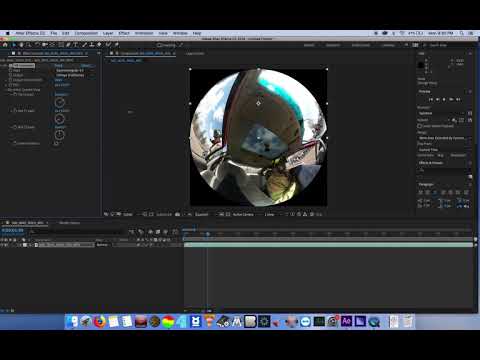
Fulldome projection fundamentally relies on specialized optical systems and powerful projectors to map digital content onto a concave surface. At its core, a fulldome system requires a dome structure, typically made of aluminum or fiberglass, with a precisely calculated curvature. Content is generated using specialized software, often involving 3D rendering engines like Unity or Unreal Engine, or dedicated fulldome authoring tools. This content is then fed to one or more projectors equipped with fisheye lenses that distort the image to compensate for the dome's curvature. Advanced systems employ edge-blending techniques, where multiple projectors overlap their images, creating a seamless, high-resolution display across the entire dome. Calibration software is crucial for ensuring accurate geometric mapping and color consistency across the projected surface, transforming a flat digital image into an enveloping visual experience.
📊 Key Facts & Numbers
The global market for planetariums and immersive theaters, the primary venues for fulldome projection, is substantial. Industry reports suggest the market was valued at approximately $300 million USD in 2023 and is projected to grow at a compound annual growth rate (CAGR) of over 7% through 2030. A single high-end fulldome system can cost anywhere from $50,000 to over $500,000 USD, depending on resolution, number of projectors, and interactivity features. Modern fulldome systems can achieve resolutions exceeding 8K, offering unparalleled visual fidelity. The average dome diameter in public planetariums ranges from 15 to 30 meters (50 to 100 feet), accommodating audiences from 100 to over 300 people. The number of fulldome theaters worldwide is estimated to be in the thousands, with significant concentrations in North America, Europe, and Asia.
👥 Key People & Organizations
Several key individuals and organizations have shaped the trajectory of fulldome projection. Scott Stewart, often credited as a pioneer of digital fulldome, was instrumental in developing early real-time systems and advocating for the medium. Mark Jensen, through his work at Spitz Inc., has been a significant figure in the design and manufacturing of fulldome projection systems for planetariums. The International Planetarium Society (IPS) serves as a crucial hub for professionals, fostering collaboration, education, and the advancement of fulldome technology. Major manufacturers like E&S (Evans & Sutherland), SCISS (now part of Barco), and Digital Projection have consistently innovated in projector technology and software solutions. The NASA and various scientific institutions also play a role, utilizing fulldome for complex data visualization and public outreach.
🌍 Cultural Impact & Influence
Fulldome projection has profoundly influenced how we experience education, art, and entertainment. In science education, it has transformed planetariums from static star-gazing venues into dynamic platforms for exploring the cosmos, visualizing complex scientific data, and simulating planetary environments. Artists have embraced the fulldome as a unique canvas for immersive installations and cinematic experiences, pushing the boundaries of visual storytelling beyond traditional screens. This has led to the emergence of dedicated fulldome festivals and competitions, such as the Fulldome Festival Jena and the Tokyo International Fulldome Festival. The technology's ability to evoke a powerful sense of presence has also found its way into virtual reality VR research and development, influencing the design of future immersive interfaces.
⚡ Current State & Latest Developments
The current state of fulldome projection is characterized by increasing accessibility, higher resolutions, and greater interactivity. The cost of digital projectors has decreased significantly, making fulldome systems more attainable for smaller institutions and even commercial venues. Advancements in LED and laser projection offer brighter, more vibrant images with longer lifespans. Real-time rendering capabilities are becoming more sophisticated, allowing for interactive experiences where audiences can influence the on-screen content, a trend exemplified by systems developed by Sensory Perceptions. Furthermore, the integration of VR headsets within dome environments is being explored to offer personalized immersive experiences. The development of standardized content formats and authoring tools continues to streamline production workflows for creators.
🤔 Controversies & Debates
One of the persistent debates in fulldome projection revolves around content creation standards and interoperability. While formats like uncompressed video and specialized dome projection formats exist, a universally adopted standard for fulldome content remains elusive, sometimes leading to compatibility issues between different systems and software. Another point of contention is the balance between pre-rendered linear content and real-time interactive experiences; while linear content offers polished artistic control, real-time systems provide dynamic engagement but can be technically challenging to implement flawlessly. The ethical implications of highly immersive experiences, particularly concerning potential sensory overload or psychological effects, are also subjects of ongoing discussion within the community.
🔮 Future Outlook & Predictions
The future of fulldome projection points towards even greater immersion, interactivity, and integration with emerging technologies. We can expect to see higher pixel densities, potentially reaching 16K or beyond, further blurring the line between the digital and physical. The integration of AR elements within fulldome environments, perhaps through synchronized wearable devices, could create hybrid immersive experiences. Advancements in AI are likely to play a role in content generation and dynamic adaptation of experiences based on audience engagement. Furthermore, the expansion of fulldome beyond traditional planetariums into more diverse applications, such as architectural visualization, therapeutic environments, and advanced training simulations, is a strong possibility. The development of portable and modular dome structures could also democratize access to immersive experiences.
💡 Practical Applications
Fulldome projection finds its most prominent application in planetariums and science museums, where it serves as a primary tool for astronomical education and scientific visualization. Beyond this, it's utilized in IMAX and other large-format cinemas for immersive cinematic experiences. Entertainment venues and theme parks employ fulldome for captivating rides and attractions. In the realm of art installations and music festivals, it provides a unique medium for visual art and live performances. Architectural visualization firms use it to present designs in a fully immersive context. Additionally, fulldome is employed in flight simulation and military training for realistic environmental rendering, as well as in medical education for anatomical exploration.
Key Facts
- Year
- mid-1990s (digital era)
- Origin
- Global (technological evolution)
- Category
- technology
- Type
- technology
Frequently Asked Questions
What is the primary difference between fulldome and traditional screens?
The fundamental difference lies in the viewing geometry. Traditional screens are flat and viewed within a limited field of vision, whereas fulldome projection wraps imagery around the viewer, covering nearly 360 degrees of their visual field. This creates an unparalleled sense of immersion and presence, making the viewer feel as though they are inside the depicted environment rather than merely observing it from the outside. The technology uses specialized projectors and fisheye lenses to map content onto a concave dome surface, a feat impossible with standard display setups.
How is content created for fulldome projection?
Creating fulldome content involves specialized software and techniques to account for the dome's curvature and the viewer's perspective. This often includes using 3D modeling and animation software like Blender, Maya, or game engines such as Unity and Unreal Engine. Content creators must employ fisheye lenses or specific projection mapping tools to 'unwrap' or 'warp' the flat digital image so it appears correctly when projected onto the dome. Real-time rendering engines are increasingly used for interactive experiences, allowing for dynamic content generation, while pre-rendered linear films offer a more controlled artistic vision, often produced by studios specializing in fulldome production.
What are the main applications of fulldome technology?
Fulldome projection's primary applications are in planetariums and science museums for educational purposes, particularly in astronomy and earth science. It's also widely used in entertainment for immersive films, concerts, and interactive experiences. Other significant uses include architectural visualization, allowing clients to experience proposed buildings immersively, and training simulations for fields like aviation and medicine, where realistic environmental rendering is crucial. The technology is also gaining traction in art installations and esports for dynamic visual backdrops.
What is the historical lineage of fulldome projection?
The lineage of fulldome projection traces back to ancient Greek and Roman domed structures, but its modern form is deeply rooted in the planetarium. The first mechanical planetarium was developed by Carl Zeiss in 1923. In the 1960s, Omnimax film technology offered a precursor to full-dome visuals, though it didn't cover the entire dome. The true digital fulldome era began in the mid-1990s with the advent of powerful computers capable of real-time graphics rendering and high-resolution digital projectors, enabling seamless, complete hemispherical displays that revolutionized immersive media.
Are there any limitations or criticisms of fulldome projection?
While powerful, fulldome projection faces several limitations. Content creation is complex and requires specialized skills and software, making it more expensive and time-consuming than traditional media production. The cost of installing and maintaining fulldome systems, including the dome structure and high-end projectors, can be prohibitive for many institutions. Furthermore, the fixed seating and viewing angles in many dome theaters can limit the audience's ability to interact with or fully appreciate certain types of content. Debates also exist regarding the standardization of content formats and the potential for sensory overload in highly immersive experiences.
How does one get involved in creating fulldome content or systems?
To get involved in creating fulldome content, one typically needs proficiency in 3D animation software like Blender or Maya, and potentially game engines like Unity. Familiarity with projection mapping techniques and specialized fulldome authoring tools is also beneficial. For system development, a strong background in optics, computer engineering, and software engineering is required, often involving expertise in real-time rendering and video processing. Networking at industry conferences like the International Planetarium Society (IPS) conference or specialized fulldome festivals is crucial for connecting with professionals and potential collaborators.
What are the future trends for fulldome projection?
Future trends in fulldome projection include a push towards even higher resolutions, potentially exceeding 16K, and increased interactivity driven by AI and audience-responsive systems. We can anticipate greater integration with VR headsets and AR to create hybrid immersive experiences. The development of more portable and modular dome structures could democratize access. Furthermore, expect to see fulldome expand into new domains such as therapeutic environments, advanced training simulations, and unique esports and live event presentations, offering more dynamic and personalized immersive journeys.