
Contents
Overview
Film comedy is a genre dedicated to eliciting laughter, a cornerstone of cinema since its inception. Originating from theatrical traditions, early silent comedies like those of Charlie Chaplin and Buster Keaton relied on visual gags and physical humor, transcending language barriers. The advent of sound in the late 1920s unlocked new dimensions of comedic dialogue and wit, propelling genres like screwball comedy and romantic comedy to prominence through the work of directors like Howard Hawks and stars such as Carole Lombard. This genre has continually evolved, incorporating social commentary, parody, and diverse cultural influences, from the sophisticated wit of Billy Wilder's films to the absurdist humor of Monty Python. With a global box office consistently demonstrating its enduring appeal, film comedy remains a vital and dynamic force in entertainment, constantly reinventing itself to reflect contemporary sensibilities and anxieties.
🎵 Origins & History
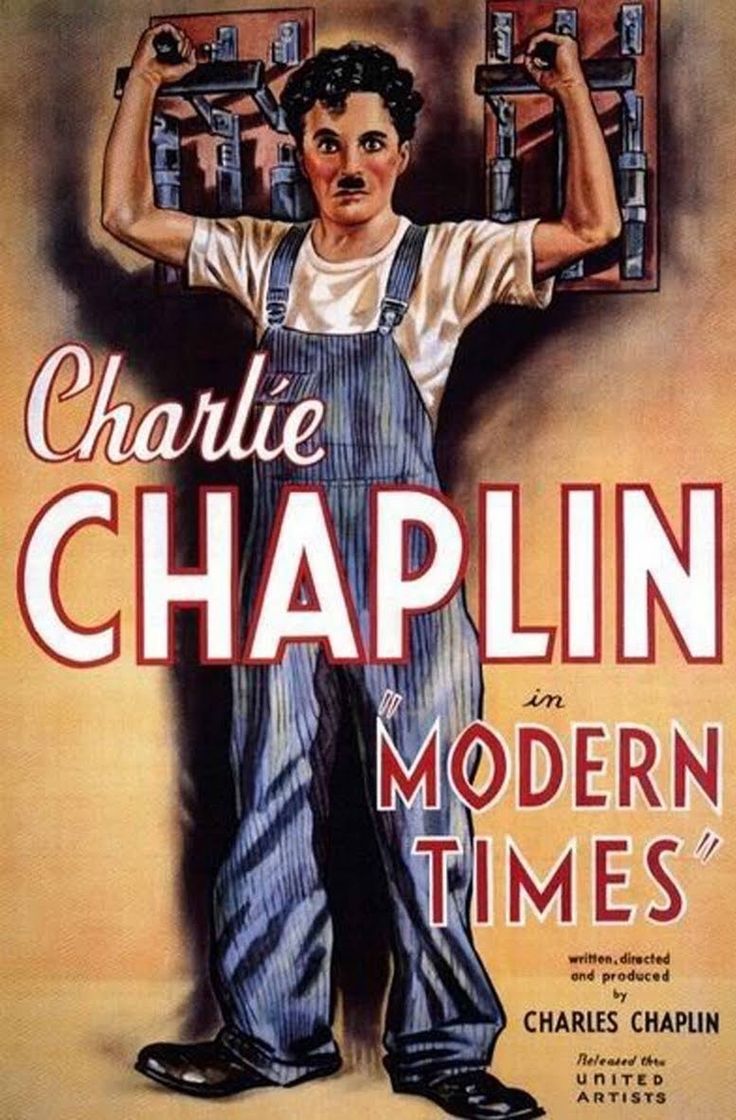
The roots of film comedy are deeply entwined with the very birth of cinema. Early pioneers like the Lumière brothers and Georges Méliès experimented with humorous situations and visual trickery, laying the groundwork for what would become a dominant genre. The silent era was a golden age for physical comedy, with stars like Charlie Chaplin perfecting the art of the tramp character, Buster Keaton's deadpan delivery and elaborate stunts, and Harold Lloyd's optimistic everyman. These comedians, often writing, directing, and starring in their own films, established the foundational grammar of cinematic humor: sight gags, pratfalls, chase sequences, and the use of editing for comedic timing. The transition to sound films, heralded by The Jazz Singer, augmented physical comedy with witty dialogue, verbal sparring, and the burgeoning screwball comedy genre.
⚙️ How It Works
At its core, film comedy functions by subverting expectations, creating incongruity, and playing on shared human experiences and anxieties. The engineer of laughter in film often relies on a combination of performance, writing, and directorial technique. Comedic performances can range from the exaggerated physicality of slapstick to the subtle nuance of deadpan delivery. Screenwriting is crucial, employing devices like irony, satire, parody, wordplay, and misunderstandings to generate humor. Directors like Ernst Lubitsch and Preston Sturges masterfully orchestrated these elements, using camera angles, pacing, and ensemble acting to maximize comedic impact. The editing rhythm, particularly in fast-paced comedies or slapstick sequences, is vital for delivering punchlines and maintaining momentum. Ultimately, successful film comedy taps into universal emotions, offering catharsis through shared amusement.
📊 Key Facts & Numbers
Film comedy consistently ranks among the highest-grossing genres globally, with many of its titles achieving significant box office revenues. Animated comedies, such as Disney and Pixar productions, have also achieved immense commercial success. Even niche comedies can find significant audiences. The Golden Globe Awards and Academy Awards frequently recognize comedic achievements, though often in separate categories, highlighting the genre's distinctiveness. Approximately 20-25% of all major studio releases annually fall under the comedy umbrella, demonstrating its sustained commercial viability.
👥 Key People & Organizations
The landscape of film comedy is populated by iconic individuals and influential studios. Pioneers like Charlie Chaplin, Buster Keaton, and Harold Lloyd defined silent-era humor. The sound era saw the rise of stars such as Groucho Marx, Lucille Ball, Bob Hope, and Marilyn Monroe, alongside directors like Billy Wilder and Mel Brooks. Modern comedy is shaped by actors and directors like Will Ferrell, Adam Sandler, Tina Fey, Judd Apatow, and Taika Waititi. Major studios like Warner Bros., Paramount Pictures, and Universal Pictures have historically produced a significant volume of comedies, while streaming platforms like Netflix and Amazon Prime Video have become major players in financing and distributing contemporary comedic content.
🌍 Cultural Impact & Influence
Film comedy has profoundly shaped global culture, influencing language, fashion, and social attitudes. The catchphrases and mannerisms of comedic characters often enter the popular lexicon, as seen with Groucho Marx's quips or Lucille Ball's expressive face. Comedies have also served as vehicles for social commentary and satire, challenging norms and sparking conversations around issues of race, class, gender, and politics. Films like Dr. Strangelove used dark humor to critique the Cold War, while Blazing Saddles employed parody to address racism. The genre's influence extends to other media, inspiring television shows, stand-up routines, and even advertising. The enduring popularity of franchises like The Naked Gun and Airplane! demonstrates the lasting appeal of well-crafted comedic narratives.
⚡ Current State & Latest Developments
The current state of film comedy is marked by diversification and the ongoing influence of streaming services. While traditional studio comedies still exist, platforms like Netflix, Hulu, and Amazon Prime Video are increasingly commissioning and distributing original comedic content, often catering to more niche audiences. This has led to a broader range of comedic styles, from the character-driven humor of Fleabag to the surreal absurdity of I Think You Should Leave with Tim Robinson. There's also a notable trend of blending comedy with other genres, such as horror-comedy (e.g., Get Out) and action-comedy (e.g., Deadpool). The rise of internet memes and viral content has also begun to influence comedic pacing and structure, with shorter, punchier jokes finding favor online. The global reach of streaming means that comedies from different cultural backgrounds, such as Parasite (which, while a thriller, contains significant comedic elements), are finding wider international audiences.
🤔 Controversies & Debates
Film comedy is no stranger to controversy, often finding itself at the center of debates about taste, offense, and the boundaries of humor. The primary contention revolves around what constitutes acceptable subject matter for jokes. Critics often argue that certain comedies punch down, targeting marginalized groups with stereotypes or insensitive humor, citing examples like some of the humor in Adam Sandler's earlier films or the controversial nature of South Park's cinematic endeavors. Conversely, proponents argue for artistic freedom and the idea that comedy's role is to push boundaries and challenge societal norms, with comedians like Dave Chappelle often defending their work on these grounds. The debate intensifies when comedies tackle sensitive topics like race, religion, or tragedy, leading to discussions about whether humor can be a tool for social commentary or merely a means of perpetuating harm. The rise of 'cancel culture' has also amplified these debates, with past comedic works sometimes re-evaluated through a contemporary lens.
🔮 Future Outlook & Predictions
The future of film comedy will likely be shaped by the continued evolution of distribution models and audience expectations. Streaming platforms will probably continue to invest heavily in original comedies, potentially leading to more experimental and diverse content, but also raising questions about the theatrical experience for comedy films. The influence of internet memes and short-form video content may lead to even more rapid-fire, referential humor. There's also a growing interest in reviving classic comedic styles, such as screwball comedy and [[musical-comedy|musica
Key Facts
- Category
- culture
- Type
- topic