
Contents
Overview
The genesis of screwball comedy can be traced to the early 1930s, a period marked by economic hardship and social upheaval in the United States. Filmmakers, seeking to provide audiences with much-needed levity, began experimenting with comedic formulas that deviated from established norms. Precursors can be found in the silent era's sophisticated comedies and the early sound films that grappled with new technologies and narrative possibilities. Directors like Frank Capra and Howard Hawks, along with writers such as Ben Hecht and Dorothy Parker, were instrumental in shaping the genre's distinctive voice. The Hays Code, while ostensibly imposing moral restrictions, paradoxically may have fueled the genre's witty subversion by forcing creators to convey risqué ideas through clever innuendo and fast-paced banter. The era of The Great Depression provided fertile ground for films that both acknowledged and transcended class divisions and societal anxieties, making the genre a perfect reflection of its time.
⚙️ How It Works
At its core, screwball comedy operates on a foundation of rapid-fire, overlapping dialogue—often referred to as 'patter'—that leaves characters (and audiences) breathless. The narrative typically involves a wealthy, independent woman and a less affluent, often bewildered man, whose lives become entangled through farcical circumstances. This entanglement forces them into a dynamic where the woman typically takes the lead, challenging the man's authority and masculinity in a 'battle of the sexes.' Situations escalate into elaborate, often absurd, comedic set pieces, such as mistaken identities, elaborate chases, or sudden, unexpected romantic declarations. The humor derives not just from witty repartee but also from physical comedy and the sheer outlandishness of the predicaments, all while maintaining a surprisingly sophisticated exploration of social class and romantic conventions. The resolution often sees the man conceding to the woman's will, or at least reaching a more egalitarian understanding.
📊 Key Facts & Numbers
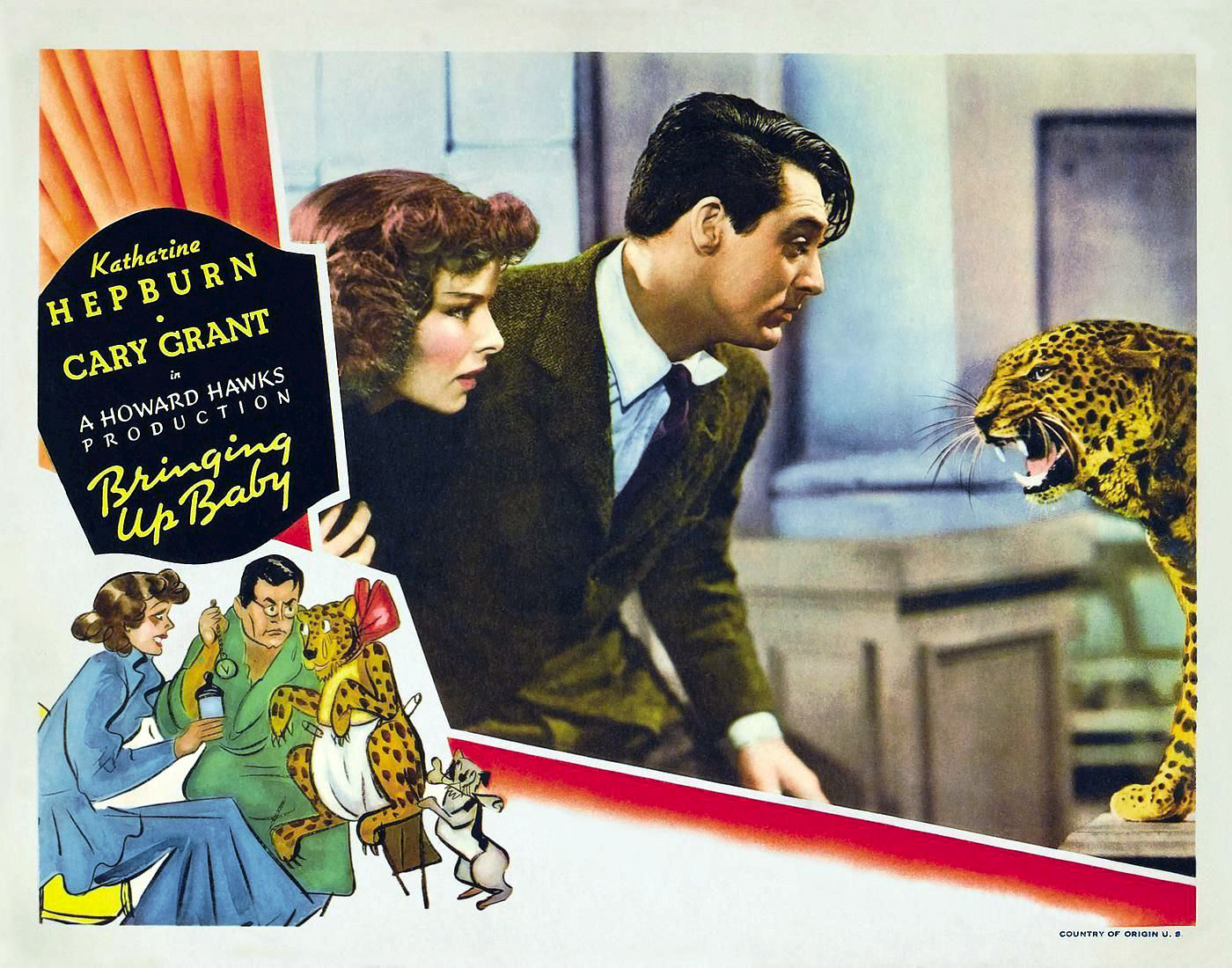
The 'Golden Age' of Hollywood, from the early 1930s to the early 1950s, saw the production of approximately 500 screwball comedies, with an estimated 20-30 major releases per year during its peak in the late 1930s. Films like It Happened One Night (1934) grossed over $2.5 million domestically on a budget of $325,000, winning all five major Academy Awards. Bringing Up Baby (1938) reportedly cost $1.7 million, a substantial sum for the era, and featured over 400 takes for a single scene involving a leopard. The Hays Code, in effect from 1934 to 1968, influenced the genre's reliance on verbal wit over explicit content, with studios like Warner Bros. and Paramount Pictures producing a significant portion of these films. The average runtime for a screwball comedy was around 90 minutes, with budgets ranging from $200,000 to over $1 million.
👥 Key People & Organizations
Key figures in screwball comedy include directors like Frank Capra, whose It Happened One Night (1934) is considered a foundational text. Howard Hawks delivered classics such as Bringing Up Baby (1938) and His Girl Friday (1940), known for their rapid-fire dialogue. Ernst Lubitsch brought his signature sophisticated touch to films like The Shop Around the Corner (1940). Iconic actors defined the genre: Clark Gable and Claudette Colbert in It Happened One Night; Cary Grant and Katharine Hepburn in Bringing Up Baby; William Powell and Myrna Loy in the Thin Man series; and Carole Lombard, often hailed as the 'Queen of Screwball.' Writers like Robert Riskin and Charles Brackett crafted the sharp, witty screenplays that were essential to the genre's success.
🌍 Cultural Impact & Influence
Screwball comedy left an indelible mark on cinematic history, influencing countless romantic comedies and dramas that followed. Its sophisticated portrayal of female agency and its playful subversion of gender roles were groundbreaking for their time, offering a refreshing counterpoint to more traditional narratives. The genre's emphasis on witty, fast-paced dialogue became a benchmark for comedic writing, inspiring writers and directors across different eras and countries. Films like When Harry Met Sally... (1989) and Sleepless in Seattle (1993) owe a clear debt to the screwball tradition. Furthermore, the genre's ability to tackle serious social issues, such as class disparity and economic anxiety, under the guise of lighthearted entertainment, demonstrated the power of comedy as social commentary. The enduring appeal of its stars and their on-screen chemistry continues to captivate audiences.
⚡ Current State & Latest Developments
While the classic era of screwball comedy largely concluded by the mid-1950s, its spirit continues to animate contemporary filmmaking. Modern romantic comedies often borrow heavily from screwball tropes, particularly the 'battle of the sexes' dynamic and the witty repartee. Directors like Nancy Meyers have explicitly cited screwball influences in their work, evident in films such as The Parent Trap (1998) and It's Complicated (2009). Streaming platforms like Netflix and HBO Max frequently revive classic screwball films, introducing them to new generations. Independent filmmakers and international cinema also continue to explore and adapt screwball conventions, demonstrating the genre's lasting adaptability and universal themes. The resurgence of interest in classic Hollywood cinema, fueled by retrospectives and digital restoration projects, ensures the continued visibility of these foundational comedies.
🤔 Controversies & Debates
The primary controversy surrounding screwball comedy often centers on its portrayal of gender roles. While lauded for featuring strong, independent female protagonists who challenged patriarchal norms, some critics argue that the genre ultimately reinforces traditional power structures by having the male lead often win the woman's affection or by depicting the female lead's assertiveness as a prelude to marriage. The rapid-fire dialogue, while celebrated for its wit, has also been criticized for potentially masking superficiality or for being inaccessible to some audiences. Furthermore, the escapist nature of many screwball comedies, set against the backdrop of the Great Depression, has led to debates about whether these films offered genuine social critique or merely a distraction from harsh realities. The influence of the Hays Code also raises questions about the extent to which genuine social commentary could be expressed within the era's strict censorship.
🔮 Future Outlook & Predictions
The future of screwball comedy lies in its continued reinterpretation and adaptation. As societal norms around gender, class, and relationships evolve, filmmakers will undoubtedly continue to mine the genre's core elements for fresh narratives. We might see a greater emphasis on exploring the complexities of consent and power dynamics in romantic relationships, moving beyond the traditional 'battle of the sexes' to more nuanced interactions. The rise of diverse voices in filmmaking could also lead to screwball comedies that reflect a broader range of cultural experiences and perspectives. Furthermore, advancements in technology and distribution models, such as interactive storytelling or virtual reality experiences, could offer new avenues for delivering the genre's signature blend of wit, chaos, and romance. The enduring appeal of its archetypes suggests that screwball elements will remain a vital part of the comedic storytelling toolkit for decades to come.
💡 Practical Applications
The principles of screwball comedy—witty dialogue, escalating farcical situations, and the exploration of romantic entanglements—have found applications far beyond the si
Key Facts
- Category
- culture
- Type
- topic