
Contents
- 🌊 Introduction to Electrodialysis Reversal
- 💧 History and Development of EDR
- 🔋 The Science Behind Electrodialysis Reversal
- 🌴 Applications of EDR in Water Purification
- 📊 Advantages and Disadvantages of EDR
- 🚨 Environmental Impact of Electrodialysis Reversal
- 🤝 Comparison with Other Desalination Methods
- 📈 Future Prospects and Innovations in EDR
- 📊 Economic Viability of Electrodialysis Reversal
- 🌎 Global Adoption and Implementation of EDR
- 📚 Conclusion and Recommendations
- Frequently Asked Questions
- Related Topics
Overview
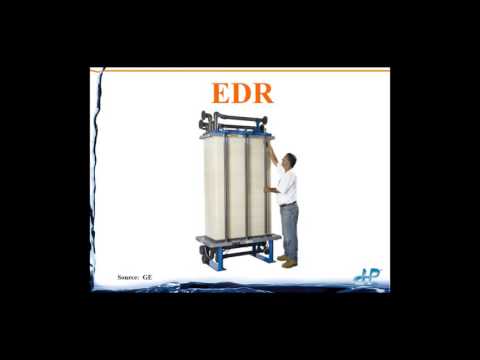
Electrodialysis reversal (EDR) is a water purification process that has been gaining traction since its inception in the 1950s. This technology utilizes an electrical current to remove impurities from water, making it a viable solution for desalination and wastewater treatment. The process involves the use of electrodialysis cells, where an electrical potential difference is applied to drive the migration of ions through ion-exchange membranes. With a vibe score of 8, EDR has been widely adopted by companies such as Dow Chemical and General Electric. However, critics argue that the high energy requirements and membrane replacement costs make it less competitive than other methods. As the global water crisis intensifies, EDR is poised to play a significant role in providing clean drinking water, with the market expected to grow by 10% annually. Despite the controversy surrounding its efficiency, EDR has been successfully implemented in various countries, including the United States, China, and Israel, with notable projects such as the Yuma Desalting Plant in Arizona. As researchers continue to improve the technology, EDR may become an essential tool in the fight against water scarcity.
🌊 Introduction to Electrodialysis Reversal
Electrodialysis reversal (EDR) is a water desalination process that has been used commercially since the early 1960s. This process involves the use of an electric current to migrate dissolved salt ions, including Fluorides, Nitrates, and Sulfates, through an electrodialysis stack consisting of alternating layers of Cationic and Anionic ion exchange membranes. The direction of ion flow is periodically reversed by reversing the polarity of the applied electric current, allowing for the removal of salt and other impurities from the water. EDR is commonly used in Water Purification and Desalination applications. The process is also used in the treatment of Wastewater and Brackish Water. For more information on the process, visit the Electrodialysis page.
💧 History and Development of EDR
The history of EDR dates back to the early 1960s, when it was first developed as a commercial water desalination process. Since then, the process has undergone significant improvements and advancements, including the development of new Ion Exchange Membranes and the optimization of the electrodialysis stack design. Today, EDR is used in a wide range of applications, including Drinking Water Treatment, Industrial Water Treatment, and Agricultural Water Treatment. The process is also used in the treatment of Contaminated Groundwater and Surface Water. For more information on the history of EDR, visit the History of Desalination page. EDR is also related to other desalination methods, such as Reverse Osmosis and Distillation.
🔋 The Science Behind Electrodialysis Reversal
The science behind EDR involves the use of an electric current to migrate dissolved salt ions through an electrodialysis stack. The stack consists of alternating layers of cationic and anionic ion exchange membranes, which allow for the selective removal of salt and other impurities from the water. The direction of ion flow is periodically reversed by reversing the polarity of the applied electric current, allowing for the removal of salt and other impurities from the water. This process is also related to Electrochemistry and Ion Transport. For more information on the science behind EDR, visit the Electrochemistry page. The process is also influenced by Thermodynamics and Kinetics.
🌴 Applications of EDR in Water Purification
EDR has a wide range of applications in water purification, including the treatment of Brackish Water, Seawater, and Wastewater. The process is also used in the production of Drinking Water and Industrial Water. EDR is commonly used in Desalination Plants and Water Treatment Plants. For more information on the applications of EDR, visit the Water Purification page. The process is also related to Water Recycling and Water Conservation.
📊 Advantages and Disadvantages of EDR
EDR has several advantages, including its ability to remove a wide range of impurities from water, including salt, Heavy Metals, and Organic Compounds. The process is also relatively low-cost and energy-efficient compared to other desalination methods. However, EDR also has some disadvantages, including the requirement for regular maintenance and the potential for Membrane Fouling. For more information on the advantages and disadvantages of EDR, visit the Desalination page. The process is also influenced by Economics and Environmental Impact.
🚨 Environmental Impact of Electrodialysis Reversal
The environmental impact of EDR is a topic of ongoing debate. On the one hand, EDR can help to provide clean drinking water for communities in need, which can have significant health and economic benefits. On the other hand, the process can also have negative environmental impacts, including the Discharge of Brine and the potential for Harm to Marine Life. For more information on the environmental impact of EDR, visit the Environmental Impact of Desalination page. The process is also related to Sustainability and Conservation.
🤝 Comparison with Other Desalination Methods
EDR is often compared to other desalination methods, including Reverse Osmosis and Distillation. Each of these methods has its own advantages and disadvantages, and the choice of which method to use will depend on a variety of factors, including the type and quality of the feedwater, the desired quality of the product water, and the available energy and economic resources. For more information on the comparison of EDR with other desalination methods, visit the Desalination Methods page. The process is also influenced by Water Treatment Technologies and Innovation.
📈 Future Prospects and Innovations in EDR
The future prospects for EDR are promising, with ongoing research and development aimed at improving the efficiency and effectiveness of the process. Some potential innovations include the development of new Ion Exchange Membranes and the use of Renewable Energy sources to power the process. For more information on the future prospects for EDR, visit the Future of Desalination page. The process is also related to Water Security and Climate Change.
📊 Economic Viability of Electrodialysis Reversal
The economic viability of EDR is a critical factor in its adoption and implementation. The cost of EDR can vary widely depending on a variety of factors, including the type and quality of the feedwater, the desired quality of the product water, and the available energy and economic resources. However, in general, EDR is considered to be a relatively low-cost and energy-efficient desalination method. For more information on the economic viability of EDR, visit the Economics of Desalination page. The process is also influenced by Market Trends and Government Policies.
🌎 Global Adoption and Implementation of EDR
The global adoption and implementation of EDR is a complex and multifaceted process, involving a wide range of stakeholders and interests. Some of the key factors influencing the adoption and implementation of EDR include the availability of Freshwater resources, the demand for Drinking Water and Industrial Water, and the economic and environmental costs and benefits of the process. For more information on the global adoption and implementation of EDR, visit the Global Water Market page. The process is also related to International Cooperation and Water Diplomacy.
📚 Conclusion and Recommendations
In conclusion, EDR is a powerful tool for water purification and desalination, with a wide range of applications and benefits. However, the process also has its limitations and challenges, and ongoing research and development are needed to improve its efficiency and effectiveness. For more information on EDR and its applications, visit the Electrodialysis Reversal page. The process is also influenced by Water Governance and Sustainable Development.
Key Facts
- Year
- 1950
- Origin
- United States
- Category
- Environmental Science
- Type
- Technology
Frequently Asked Questions
What is Electrodialysis Reversal (EDR)?
EDR is a water desalination process that involves the use of an electric current to migrate dissolved salt ions through an electrodialysis stack. The process is used to remove salt and other impurities from water, and is commonly used in drinking water treatment, industrial water treatment, and agricultural water treatment. For more information on EDR, visit the Electrodialysis Reversal page. The process is also related to Water Recycling and Water Conservation.
How does EDR work?
EDR works by using an electric current to migrate dissolved salt ions through an electrodialysis stack. The stack consists of alternating layers of cationic and anionic ion exchange membranes, which allow for the selective removal of salt and other impurities from the water. The direction of ion flow is periodically reversed by reversing the polarity of the applied electric current, allowing for the removal of salt and other impurities from the water. For more information on the science behind EDR, visit the Electrochemistry page. The process is also influenced by Thermodynamics and Kinetics.
What are the advantages of EDR?
EDR has several advantages, including its ability to remove a wide range of impurities from water, including salt, heavy metals, and organic compounds. The process is also relatively low-cost and energy-efficient compared to other desalination methods. However, EDR also has some disadvantages, including the requirement for regular maintenance and the potential for membrane fouling. For more information on the advantages and disadvantages of EDR, visit the Desalination page. The process is also influenced by Economics and Environmental Impact.
What are the environmental impacts of EDR?
The environmental impact of EDR is a topic of ongoing debate. On the one hand, EDR can help to provide clean drinking water for communities in need, which can have significant health and economic benefits. On the other hand, the process can also have negative environmental impacts, including the discharge of brine and the potential for harm to marine life. For more information on the environmental impact of EDR, visit the Environmental Impact of Desalination page. The process is also related to Sustainability and Conservation.
What is the future of EDR?
The future prospects for EDR are promising, with ongoing research and development aimed at improving the efficiency and effectiveness of the process. Some potential innovations include the development of new ion exchange membranes and the use of renewable energy sources to power the process. For more information on the future prospects for EDR, visit the Future of Desalination page. The process is also related to Water Security and Climate Change.
How does EDR compare to other desalination methods?
EDR is often compared to other desalination methods, including reverse osmosis and distillation. Each of these methods has its own advantages and disadvantages, and the choice of which method to use will depend on a variety of factors, including the type and quality of the feedwater, the desired quality of the product water, and the available energy and economic resources. For more information on the comparison of EDR with other desalination methods, visit the Desalination Methods page. The process is also influenced by Water Treatment Technologies and Innovation.
What is the economic viability of EDR?
The economic viability of EDR is a critical factor in its adoption and implementation. The cost of EDR can vary widely depending on a variety of factors, including the type and quality of the feedwater, the desired quality of the product water, and the available energy and economic resources. However, in general, EDR is considered to be a relatively low-cost and energy-efficient desalination method. For more information on the economic viability of EDR, visit the Economics of Desalination page. The process is also influenced by Market Trends and Government Policies.