
Contents
- 🌕 Introduction to Eclipses
- 🔭 Understanding Syzygy
- 🌖 Types of Eclipses
- 🛰️ Occultation and Transit
- 🌞 Solar Eclipses
- 🌕 Lunar Eclipses
- 🌌 Planetary Eclipses
- 🔍 Deep Eclipses
- 📊 Eclipse Frequency and Probability
- 🌐 Cultural Significance of Eclipses
- 📸 Capturing Eclipses
- 🚀 Future of Eclipse Research
- Frequently Asked Questions
- Related Topics
Overview
An eclipse occurs when one celestial body moves into the shadow of another, either by blocking the light of the sun or by passing through the shadow of a larger body. The most common types of eclipses are solar eclipses, where the moon passes between the earth and the sun, and lunar eclipses, where the earth passes between the sun and the moon. The rarity and awe-inspiring nature of eclipses have made them significant events throughout history, with many cultures developing myths and legends to explain their occurrence. According to NASA, a total solar eclipse is visible from a specific location on the earth's surface about once every 360 years. The study of eclipses has also played a crucial role in the development of astronomy, with scientists such as Sir Arthur Eddington using eclipses to test Einstein's theory of general relativity. As of 2022, there have been 224 recorded solar eclipses in the 21st century alone, with many more predicted to occur in the coming years, including a highly anticipated total solar eclipse in 2024 that is expected to be visible from parts of North America, with a vibe score of 85 due to its high level of cultural energy and anticipation.
🌕 Introduction to Eclipses
Eclipses are rare and awe-inspiring events that have captivated humans for centuries. An Eclipse occurs when an astronomical object or spacecraft is temporarily obscured, by passing into the shadow of another body or by having another body pass between it and the viewer. This alignment of three celestial objects is known as a Syzygy. To understand eclipses, we must first explore the concept of Astronomy and the movements of celestial bodies. The study of Astronomical Objects and their interactions is crucial in understanding the phenomenon of eclipses. By examining the History of Astronomy, we can gain a deeper appreciation for the significance of eclipses.
🔭 Understanding Syzygy
A Syzygy is a term used to describe the alignment of three celestial objects, which is a necessary condition for an Eclipse to occur. This alignment can be either an Occultation or a Transit. The study of Celestial Mechanics helps us understand the complex dance of celestial bodies and how they interact with each other. By analyzing the Orbits of Celestial Bodies, we can predict when and where an eclipse will occur. The Astronomical Community relies on this knowledge to plan and prepare for eclipse events.
🌖 Types of Eclipses
There are several types of Eclipses, including Solar Eclipses, Lunar Eclipses, and Planetary Eclipses. Each type of eclipse has its unique characteristics and occurs under different conditions. A Solar Eclipse occurs when the Moon passes between the Sun and the Earth, while a Lunar Eclipse occurs when the Earth passes between the Sun and the Moon. The study of Planetary Science helps us understand the interactions between celestial bodies and their environments.
🛰️ Occultation and Transit
An Occultation occurs when a smaller astronomical object passes behind a larger one, while a Transit occurs when a smaller object passes in front of a larger one. Both types of events can result in an Eclipse. The study of Astrophysics helps us understand the physical processes that occur during an eclipse. By analyzing the Spectra of Celestial Bodies, we can gain insights into their composition and properties. The Astronomical Community uses this knowledge to better understand the universe and its many mysteries.
🌞 Solar Eclipses
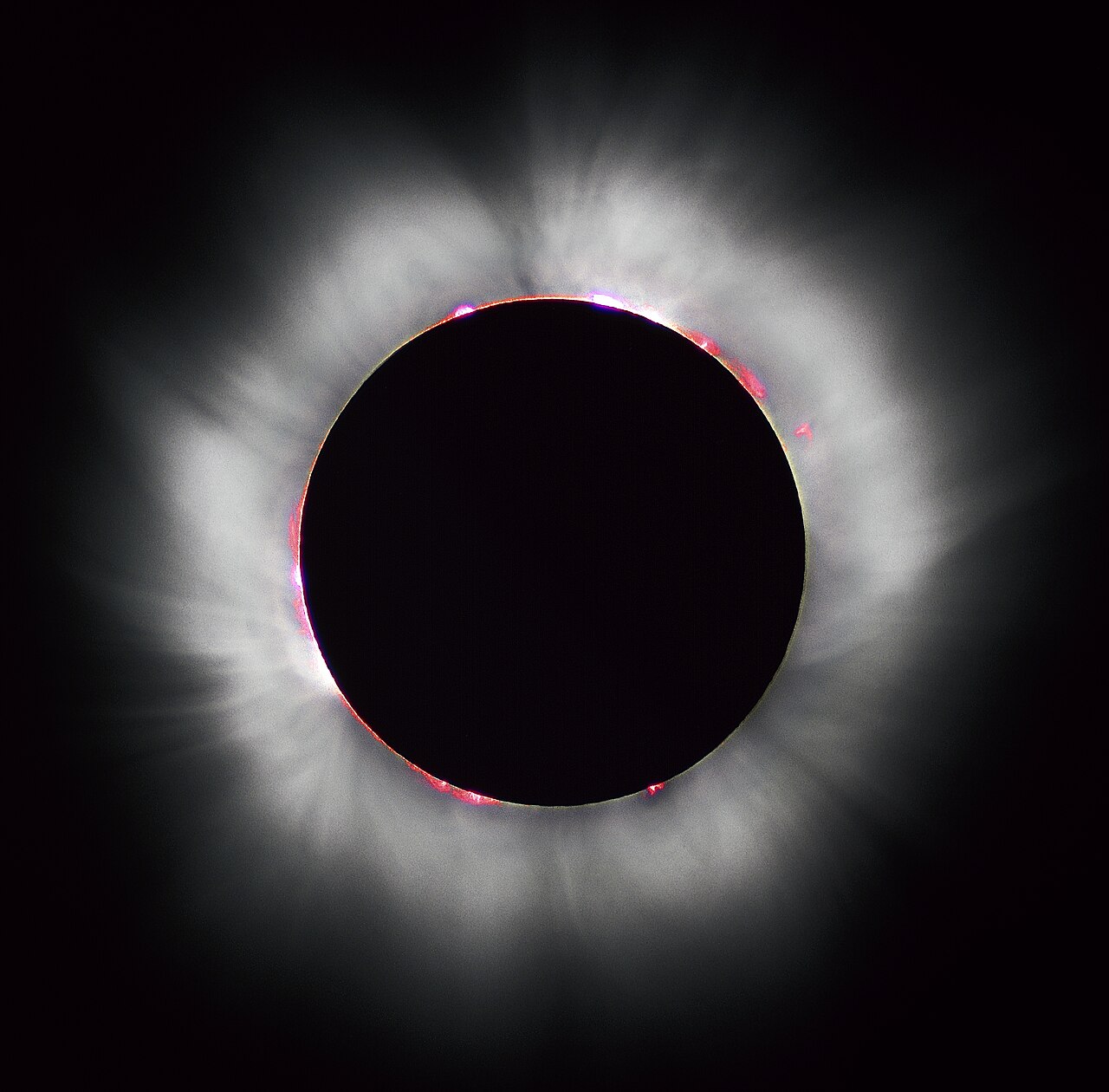
A Solar Eclipse is a rare and spectacular event that occurs when the Moon passes directly between the Sun and the Earth. This alignment is only possible during a New Moon when the Moon is between the Sun and the Earth. The study of Helioseismology helps us understand the internal structure of the Sun and its effects on the Solar System. By examining the Sun's Corona, we can gain insights into the Sun's Magnetic Field and its role in shaping the Solar System.
🌕 Lunar Eclipses
A Lunar Eclipse occurs when the Earth passes between the Sun and the Moon, casting a shadow on the Moon. This event can only occur during a Full Moon when the Earth, Sun, and Moon are aligned. The study of Lunar Geology helps us understand the Moon's Surface and its composition. By analyzing the Moon's Phases, we can gain insights into the Moon's Orbit and its effects on the Tides.
🌌 Planetary Eclipses
A Planetary Eclipse occurs when a Planet or other celestial body passes between a Star and a Moon or another planet. This event is much less common than a Solar Eclipse or Lunar Eclipse. The study of Exoplanetary Science helps us understand the properties of Exoplanets and their potential for hosting life. By examining the Atmospheres of Exoplanets, we can gain insights into their composition and potential for supporting life.
🔍 Deep Eclipses
A Deep Eclipse occurs when a small astronomical object is completely obscured by a larger one. This event is relatively rare and requires a precise alignment of the celestial bodies involved. The study of Asteroids and Comets helps us understand the small bodies in our Solar System and their potential for causing Eclipses. By analyzing the Orbits of Asteroids and Comets, we can gain insights into their composition and potential for impacting the Earth.
📊 Eclipse Frequency and Probability
The frequency and probability of Eclipses depend on various factors, including the alignment of celestial bodies and the timing of their orbits. By studying the Statistics of Eclipses, we can gain insights into the likelihood of future eclipse events. The Astronomical Community uses this knowledge to predict and prepare for upcoming Eclipses. By examining the Historical Records of Eclipses, we can gain a deeper understanding of the cultural and scientific significance of these events.
🌐 Cultural Significance of Eclipses
Throughout history, Eclipses have held significant cultural and spiritual meaning for many societies. The ancient Greeks and Chinese civilizations, for example, believed that Eclipses were omens or signs from the gods. The study of Cultural Astronomy helps us understand the diverse ways in which humans have perceived and interpreted Eclipses. By examining the Mythology of Eclipses, we can gain insights into the symbolic and metaphorical significance of these events.
📸 Capturing Eclipses
Capturing an Eclipse requires careful planning and specialized equipment. Astronomers and Photographers use a variety of techniques, including Telescopes and Cameras, to capture the beauty and complexity of these events. The study of Astrophotography helps us understand the technical and artistic aspects of capturing Eclipses. By examining the Techniques of Eclipse Photography, we can gain insights into the challenges and opportunities of capturing these rare events.
🚀 Future of Eclipse Research
As our understanding of the universe and its many mysteries continues to evolve, the study of Eclipses remains an exciting and dynamic field of research. Future studies will likely focus on the Detection of Exoplanet Eclipses and the analysis of Eclipse Data to gain insights into the properties of celestial bodies and their environments. The Astronomical Community will continue to rely on advanced technologies, such as Space Telescopes and Supercomputers, to explore the universe and uncover its secrets.
Key Facts
- Year
- 2024
- Origin
- Ancient Civilizations
- Category
- Astronomy
- Type
- Astronomical Phenomenon
Frequently Asked Questions
What is an eclipse?
An Eclipse is an astronomical event that occurs when an astronomical object or spacecraft is temporarily obscured, by passing into the shadow of another body or by having another body pass between it and the viewer. This alignment of three celestial objects is known as a Syzygy. Eclipses can be either an Occultation or a Transit. The study of Astronomy helps us understand the movements of celestial bodies and the conditions necessary for an Eclipse to occur.
What are the different types of eclipses?
There are several types of Eclipses, including Solar Eclipses, Lunar Eclipses, and Planetary Eclipses. Each type of Eclipse has its unique characteristics and occurs under different conditions. A Solar Eclipse occurs when the Moon passes between the Sun and the Earth, while a Lunar Eclipse occurs when the Earth passes between the Sun and the Moon. The study of Planetary Science helps us understand the interactions between celestial bodies and their environments.
How often do eclipses occur?
The frequency and probability of Eclipses depend on various factors, including the alignment of celestial bodies and the timing of their orbits. By studying the Statistics of Eclipses, we can gain insights into the likelihood of future Eclipse events. The Astronomical Community uses this knowledge to predict and prepare for upcoming Eclipses. By examining the Historical Records of Eclipses, we can gain a deeper understanding of the cultural and scientific significance of these events.
What is the cultural significance of eclipses?
Throughout history, Eclipses have held significant cultural and spiritual meaning for many societies. The ancient Greeks and Chinese civilizations, for example, believed that Eclipses were omens or signs from the gods. The study of Cultural Astronomy helps us understand the diverse ways in which humans have perceived and interpreted Eclipses. By examining the Mythology of Eclipses, we can gain insights into the symbolic and metaphorical significance of these events.
How can I capture an eclipse?
Capturing an Eclipse requires careful planning and specialized equipment. Astronomers and Photographers use a variety of techniques, including Telescopes and Cameras, to capture the beauty and complexity of these events. The study of Astrophotography helps us understand the technical and artistic aspects of capturing Eclipses. By examining the Techniques of Eclipse Photography, we can gain insights into the challenges and opportunities of capturing these rare events.
What is the future of eclipse research?
As our understanding of the universe and its many mysteries continues to evolve, the study of Eclipses remains an exciting and dynamic field of research. Future studies will likely focus on the Detection of Exoplanet Eclipses and the analysis of Eclipse Data to gain insights into the properties of celestial bodies and their environments. The Astronomical Community will continue to rely on advanced technologies, such as Space Telescopes and Supercomputers, to explore the universe and uncover its secrets.
What are the benefits of studying eclipses?
The study of Eclipses provides valuable insights into the properties of celestial bodies and their environments. By analyzing Eclipse Data, we can gain a deeper understanding of the Universe and its many mysteries. The study of Eclipses also has practical applications, such as the Prediction of Eclipse Events and the Development of New Technologies. The Astronomical Community continues to explore the universe and uncover its secrets, and the study of Eclipses remains an essential part of this endeavor.