
Contents
Overview
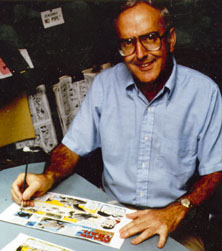
A Cartoonist is a unique breed of visual artist, one who masterfully wields both pen and prose. Unlike a dedicated comic writer or a pure illustrator, the cartoonist is typically a solo act, responsible for the entire creative pipeline from initial concept and script to the final inked panel. This dual mastery allows for a singular vision, where the humor, narrative, and visual style are inextricably linked. Think of them as the auteurs of the illustrated gag or the sequential story, crafting worlds and characters from scratch. Their work often appears in newspapers, magazines, online platforms, and as standalone graphic novels.
📍 Where to Find Cartoonists
You'll find Cartoonists plying their trade across a diverse range of media and platforms. Many still contribute to daily Newspapers and Magazines, offering a quick, witty commentary on current events. Online, platforms like Webtoons, Patreon, and personal websites are fertile ground for independent cartoonists to build direct relationships with their audience. Conventions like San Diego Comic-Con and Small Press Expo are prime locations to meet cartoonists in person, browse their portfolios, and even purchase original art. Keep an eye out for local art fairs and gallery shows that might feature the work of emerging or established cartoonists in your area.
⭐ The Cartoonist's Toolkit
The essential tools of a Cartoonist have evolved, but the core remains the same: the ability to translate ideas into compelling visuals. Traditionally, this involved Pencils, Ink, and Paper, often with specialized nibs and brushes for varying line weights and textures. Today, many cartoonists embrace Digital Art tools like Wacom Tablets and software such as Clip Studio Paint or Adobe Photoshop, allowing for greater flexibility in editing and distribution. Regardless of the medium, a keen sense of observation, a strong understanding of anatomy and perspective, and a distinctive artistic style are paramount. The ability to convey emotion and action through simple lines is their superpower.
💰 Commissioning a Cartoonist
Commissioning a Cartoonist can be a fantastic way to bring a unique visual element to your project or personal life. Pricing varies wildly based on the cartoonist's reputation, the complexity of the artwork, and the intended usage rights. For a simple gag cartoon, expect to pay anywhere from $50 to $500. For a more detailed comic strip or a character design, prices can range from $200 to $2,000 or more. Always clarify usage rights upfront, especially if the artwork is for commercial purposes. Many cartoonists offer tiered commission packages on platforms like Fiverr or through direct inquiry via their websites.
📈 Cartoonist Vibe Score & Influence
The Cartoonist Vibe Score (CVS) typically hovers around 75-85, reflecting their significant cultural impact and broad appeal. Their influence flows directly into Pop Culture, shaping visual humor and narrative storytelling across various media. The Controversy Spectrum for cartoonists can range from mild debates over artistic interpretation to heated discussions about satire and its boundaries, particularly when dealing with sensitive social or political topics. The ability to distill complex issues into accessible, often humorous, visuals makes them powerful commentators. Their work often serves as a barometer for societal anxieties and triumphs, making their collective output a rich source for understanding the zeitgeist.
🤔 Cartoonist vs. Comic Artist vs. Illustrator
Distinguishing a Cartoonist from a Comic Artist or Illustrator hinges on their scope of work. A cartoonist typically handles both writing and drawing for their cartoons or comic strips. A comic artist might specialize solely in the visual execution of a story written by someone else, focusing on panel layouts, character rendering, and dynamic action. An illustrator, while also a visual artist, often creates images for books, advertisements, or editorial content, with less emphasis on sequential storytelling or humor as the primary driver. While there's overlap, the cartoonist's self-contained creative process is their defining characteristic.
🌟 Notable Cartoonists to Follow
To truly appreciate the breadth of the craft, explore the works of these influential Cartoonists. Charles M. Schulz, creator of Peanuts, redefined comic strip storytelling with profound emotional depth. Bill Watterson, the reclusive genius behind Calvin and Hobbes, pushed the boundaries of artistic expression and narrative complexity within the daily strip format. Roz Chast offers a uniquely neurotic and relatable perspective on modern life in The New Yorker. For contemporary online talent, investigate Sarah Andersen (Sarah's Scribbles) or The Oatmeal (Matthew Inman), both masters of relatable webcomics that have garnered millions of followers and significant brand recognition.
💡 Tips for Working with a Cartoonist
When engaging a Cartoonist for a commission or collaboration, clear communication is key. Provide a detailed brief outlining your vision, including subject matter, desired tone (humorous, satirical, heartwarming), and any specific visual elements you want included. Be prepared to offer reference materials if you have particular styles or characters in mind. Understand their workflow; most cartoonists will provide initial sketches for approval before proceeding to final art. Respect their artistic interpretation – while your input is valuable, their expertise is what you're paying for. Confirm deadlines and payment schedules upfront to ensure a smooth process.
Key Facts
- Year
- Ancient Origins (Prehistoric cave paintings to Egyptian hieroglyphs)
- Origin
- Global
- Category
- Arts & Culture
- Type
- Profession/Role
Frequently Asked Questions
Can a cartoonist also be a writer and an artist?
Absolutely. The defining characteristic of a cartoonist is their ability to perform both the writing and drawing duties for their work. This dual role allows them to maintain a singular creative vision from concept to completion, making them a unique entity in the visual arts.
What's the difference between a cartoonist and a comic artist?
A cartoonist typically creates both the script and the art for their cartoons or comic strips. A comic artist, on the other hand, might focus solely on the visual execution of a story written by a separate comic writer, specializing in paneling, character design, and rendering.
How much does it cost to commission a cartoonist?
The cost varies significantly based on the cartoonist's experience, the complexity of the artwork, and usage rights. Simple gag cartoons might range from $50-$500, while more intricate comic strips or character designs can cost $200-$2,000 or more. Always clarify pricing and usage upfront.
Where can I find cartoonists for hire?
You can find cartoonists through online platforms like Patreon, Fiverr, and their personal websites. Major comic conventions like San Diego Comic-Con also offer opportunities to connect with artists directly. Many also showcase their work and availability on social media platforms like Instagram and Twitter.
What kind of work do cartoonists typically produce?
Cartoonists produce a wide range of visual content, including gag cartoons for newspapers and magazines, comic strips, webcomics, character designs, and illustrations for books or editorial content. Their work often emphasizes humor, satire, or narrative storytelling.
Is being a cartoonist a viable career path?
Yes, it can be a viable career, though often challenging. Success depends on developing a unique style, building a dedicated audience, and diversifying income streams through commissions, merchandise, syndication, and online platforms. Many cartoonists supplement their income with related work like illustration or graphic design.