
Contents
- 🌟 Introduction to Amniotic Sac
- 🔬 Structure and Composition
- 👶 Development and Growth
- 🤝 Relationship with Placenta and Umbilical Cord
- 💧 Amniotic Fluid and Its Functions
- 🚨 Rupture of Membranes and Birth
- 👩⚕️ Clinical Significance and Medical Interventions
- 🔍 Research and Future Directions
- 📊 Amniotic Sac and Pregnancy Complications
- 👫 Amniotic Sac and Fetal Development
- 🔑 Conclusion and Summary
- Frequently Asked Questions
- Related Topics
Overview
The amniotic sac, a thin, transparent membrane, plays a crucial role in fetal development, providing a safe and nourishing environment for the growing embryo. Formed around 8-10 days after fertilization, the amniotic sac is filled with amniotic fluid, which cushions the fetus, regulates temperature, and facilitates movement. The sac is composed of two layers: the amnion and the chorion, with the amnion producing the amniotic fluid. Research has shown that the amniotic sac is not just a passive container, but an active participant in fetal development, influencing the formation of the lungs, skin, and other vital organs. With a Vibe score of 8, the amniotic sac is a topic of significant cultural energy, sparking interest and debate among scientists, medical professionals, and expectant parents. As our understanding of the amniotic sac continues to evolve, we may uncover new insights into the intricacies of human development and the potential for innovative medical interventions.
🌟 Introduction to Amniotic Sac
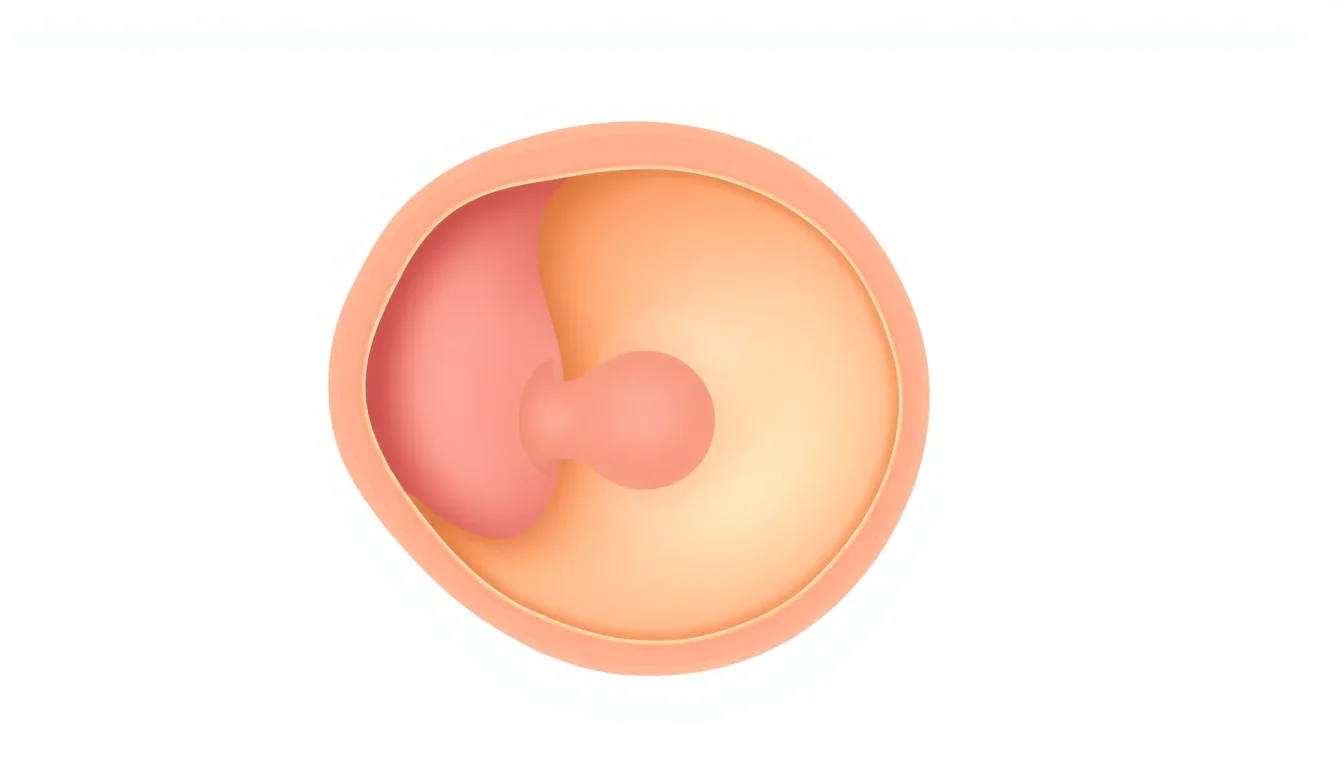
The amniotic sac, also known as the bag of waters or the membranes, is a vital structure that supports the development of the embryo and later the fetus in amniotes. It is a thin but tough transparent pair of membranes that hold a developing embryo until shortly before birth. The inner of these membranes, the amnion, encloses the amniotic cavity, containing the amniotic fluid and the embryo. The amniotic sac plays a crucial role in maintaining the health and well-being of the developing fetus, and its structure and composition are essential for understanding its functions. The amniotic sac is also connected to the yolk sac, the allantois, and via the umbilical cord, the placenta.
🔬 Structure and Composition
The structure and composition of the amniotic sac are complex and fascinating. The amniotic sac is composed of two main membranes: the amnion and the chorion. The amnion is the inner membrane that encloses the amniotic cavity, while the chorion is the outer membrane that contains the amnion and is part of the placenta. The amniotic sac is also filled with amniotic fluid, which provides a safe and nourishing environment for the developing embryo. The amniotic fluid is composed of water, electrolytes, and other substances that help to maintain the health and well-being of the fetus. The amniotic sac is connected to the yolk sac, the allantois, and via the umbilical cord, the placenta.
👶 Development and Growth
The development and growth of the amniotic sac are closely tied to the development and growth of the embryo and later the fetus. The amniotic sac begins to form early in pregnancy, around 8-10 days after fertilization. The amniotic sac grows and expands as the embryo develops, providing a safe and nourishing environment for the fetus to grow and develop. The amniotic sac is also connected to the yolk sac, the allantois, and via the umbilical cord, the placenta. The amniotic sac plays a crucial role in maintaining the health and well-being of the developing fetus, and its development and growth are essential for understanding its functions. The amniotic sac is filled with amniotic fluid, which provides a safe and nourishing environment for the developing embryo.
🤝 Relationship with Placenta and Umbilical Cord
The relationship between the amniotic sac and the placenta is complex and essential for the development and growth of the fetus. The amniotic sac is connected to the placenta via the umbilical cord, which provides a vital link between the fetus and the mother. The placenta provides the fetus with the necessary oxygen and nutrients for growth and development, while the amniotic sac provides a safe and nourishing environment for the fetus to grow and develop. The amniotic sac is also connected to the yolk sac and the allantois, which provide additional support and nourishment to the developing fetus. The amniotic sac plays a crucial role in maintaining the health and well-being of the developing fetus, and its relationship with the placenta is essential for understanding its functions.
💧 Amniotic Fluid and Its Functions
The amniotic fluid is a vital component of the amniotic sac, providing a safe and nourishing environment for the developing embryo and later the fetus. The amniotic fluid is composed of water, electrolytes, and other substances that help to maintain the health and well-being of the fetus. The amniotic fluid helps to regulate the temperature of the fetus, provides a cushioning effect to protect the fetus from shock and injury, and helps to maintain the health and well-being of the fetus. The amniotic sac is connected to the yolk sac, the allantois, and via the umbilical cord, the placenta. The amniotic sac plays a crucial role in maintaining the health and well-being of the developing fetus, and its functions are essential for understanding its importance.
🚨 Rupture of Membranes and Birth
The rupture of membranes and birth are closely tied to the amniotic sac. The amniotic sac is designed to rupture during labour, allowing the baby to be born. The rupture of membranes is a natural process that occurs when the amniotic sac is stretched to its limit, causing it to rupture and release the amniotic fluid. The amniotic sac plays a crucial role in maintaining the health and well-being of the developing fetus, and its rupture is essential for the birth of the baby. The amniotic sac is connected to the yolk sac, the allantois, and via the umbilical cord, the placenta.
👩⚕️ Clinical Significance and Medical Interventions
The clinical significance and medical interventions related to the amniotic sac are essential for understanding its importance. The amniotic sac plays a crucial role in maintaining the health and well-being of the developing fetus, and its functions are essential for understanding its importance. The amniotic sac is connected to the yolk sac, the allantois, and via the umbilical cord, the placenta. Medical interventions such as amniocentesis and ultrasound can help to monitor the health and well-being of the developing fetus and the amniotic sac. The amniotic sac plays a crucial role in maintaining the health and well-being of the developing fetus, and its clinical significance is essential for understanding its importance.
🔍 Research and Future Directions
Research and future directions related to the amniotic sac are essential for understanding its importance. The amniotic sac plays a crucial role in maintaining the health and well-being of the developing fetus, and its functions are essential for understanding its importance. The amniotic sac is connected to the yolk sac, the allantois, and via the umbilical cord, the placenta. Research into the amniotic sac and its functions can help to improve our understanding of pregnancy and birth, and can lead to the development of new medical interventions and treatments. The amniotic sac plays a crucial role in maintaining the health and well-being of the developing fetus, and its research and future directions are essential for understanding its importance.
📊 Amniotic Sac and Pregnancy Complications
The amniotic sac and pregnancy complications are closely tied. The amniotic sac plays a crucial role in maintaining the health and well-being of the developing fetus, and its functions are essential for understanding its importance. The amniotic sac is connected to the yolk sac, the allantois, and via the umbilical cord, the placenta. Pregnancy complications such as premature rupture of membranes and placental abruption can affect the health and well-being of the developing fetus and the amniotic sac. The amniotic sac plays a crucial role in maintaining the health and well-being of the developing fetus, and its relationship with pregnancy complications is essential for understanding its importance.
👫 Amniotic Sac and Fetal Development
The amniotic sac and fetal development are closely tied. The amniotic sac plays a crucial role in maintaining the health and well-being of the developing fetus, and its functions are essential for understanding its importance. The amniotic sac is connected to the yolk sac, the allantois, and via the umbilical cord, the placenta. The amniotic sac provides a safe and nourishing environment for the developing fetus, and its functions are essential for understanding its importance. The amniotic sac plays a crucial role in maintaining the health and well-being of the developing fetus, and its relationship with fetal development is essential for understanding its importance.
🔑 Conclusion and Summary
In conclusion, the amniotic sac is a vital structure that supports the development and growth of the embryo and later the fetus. The amniotic sac is connected to the yolk sac, the allantois, and via the umbilical cord, the placenta. The amniotic sac plays a crucial role in maintaining the health and well-being of the developing fetus, and its functions are essential for understanding its importance. The amniotic sac is filled with amniotic fluid, which provides a safe and nourishing environment for the developing embryo. The amniotic sac is a complex and fascinating structure that is essential for the development and growth of the fetus.
Key Facts
- Year
- 2022
- Origin
- Ancient Greek physician Galen first described the amniotic sac in the 2nd century AD
- Category
- Biology, Medicine
- Type
- Biological Structure
Frequently Asked Questions
What is the amniotic sac?
The amniotic sac is a thin but tough transparent pair of membranes that hold a developing embryo until shortly before birth. The amniotic sac is connected to the yolk sac, the allantois, and via the umbilical cord, the placenta. The amniotic sac plays a crucial role in maintaining the health and well-being of the developing fetus.
What is the function of the amniotic sac?
The amniotic sac provides a safe and nourishing environment for the developing embryo and later the fetus. The amniotic sac is filled with amniotic fluid, which helps to regulate the temperature of the fetus, provides a cushioning effect to protect the fetus from shock and injury, and helps to maintain the health and well-being of the fetus.
What is the relationship between the amniotic sac and the placenta?
The amniotic sac is connected to the placenta via the umbilical cord, which provides a vital link between the fetus and the mother. The placenta provides the fetus with the necessary oxygen and nutrients for growth and development, while the amniotic sac provides a safe and nourishing environment for the fetus to grow and develop.
What are the clinical significance and medical interventions related to the amniotic sac?
The amniotic sac plays a crucial role in maintaining the health and well-being of the developing fetus, and its functions are essential for understanding its importance. Medical interventions such as amniocentesis and ultrasound can help to monitor the health and well-being of the developing fetus and the amniotic sac.
What are the research and future directions related to the amniotic sac?
Research into the amniotic sac and its functions can help to improve our understanding of pregnancy and birth, and can lead to the development of new medical interventions and treatments. The amniotic sac plays a crucial role in maintaining the health and well-being of the developing fetus, and its research and future directions are essential for understanding its importance.