
Contents
Overview
Wind energy development is the multifaceted process of planning, constructing, and operating facilities that convert wind into electricity. This sector has seen explosive growth, driven by climate change concerns and technological advancements, transforming from a niche renewable source into a major global power provider. The industry involves complex engineering, environmental assessments, regulatory navigation, and substantial financial investment, often requiring decades of planning and execution. Key players range from multinational corporations like Vestas and Siemens Gamesa to specialized development firms and utility companies, all working to expand wind's share in the global energy mix and meet ambitious decarbonization targets set by entities like the International Energy Agency.
🎵 Origins & History
The concept of harnessing wind power stretches back millennia. Ancient mariners utilized wind propulsion for seafaring for thousands of years, a testament to humanity's early understanding of aerodynamic forces. The modern era of wind energy development, however, began in the late 19th century with early experiments in electricity generation. The oil crises of the 1970s spurred renewed interest in renewable energy, leading to government-funded research and development programs in the United States and Europe, laying the groundwork for the utility-scale wind farms we see today.
⚙️ How It Works
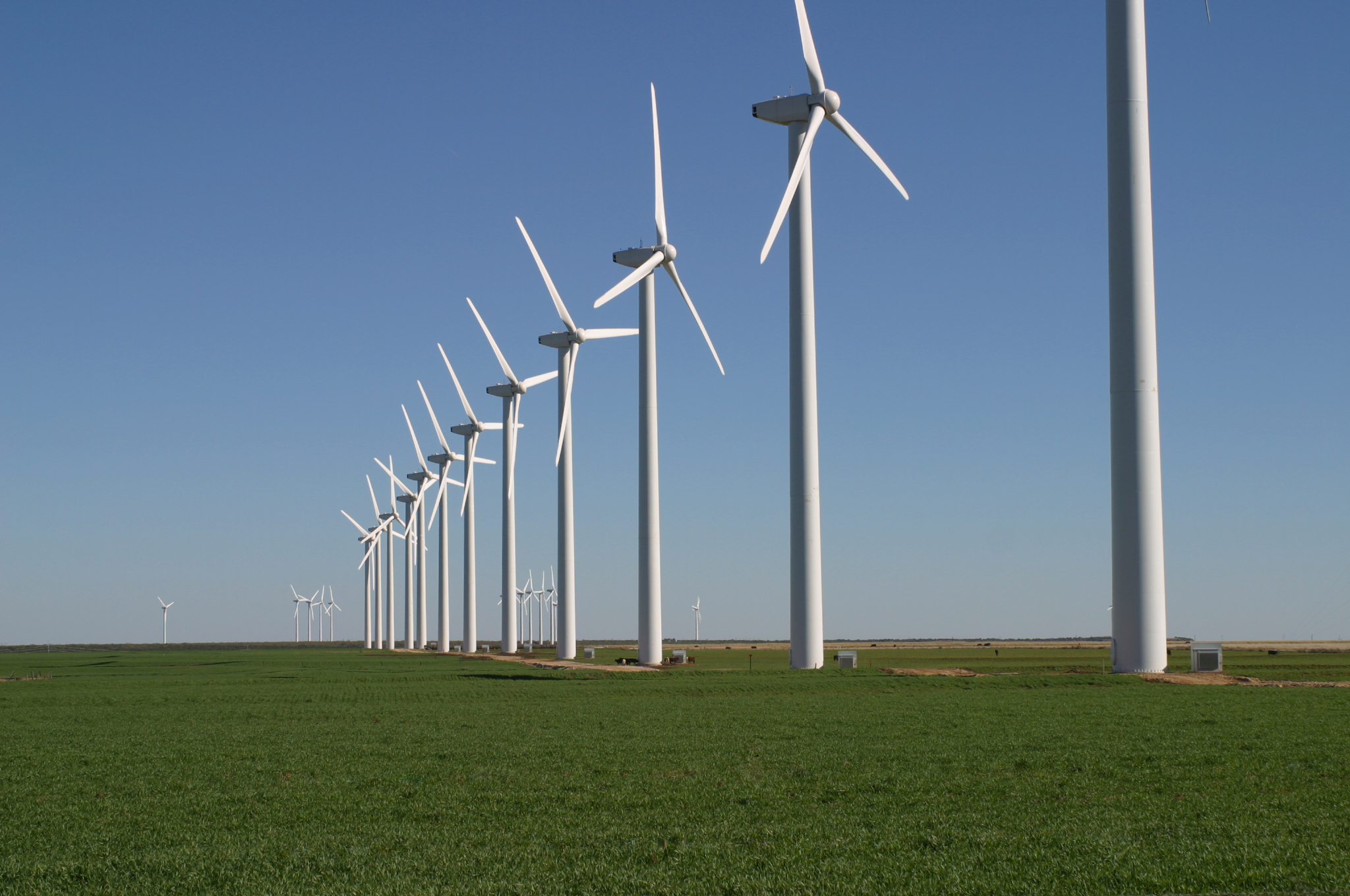
Modern wind energy development centers on the design and deployment of large-scale wind turbines, typically horizontal-axis, three-bladed machines. The kinetic energy of the wind causes the rotor blades to spin, which in turn drives a generator housed within the nacelle. This generator converts rotational mechanical energy into electrical energy. For onshore projects, turbines are often grouped into wind farms, connected to the local electricity grid via substations. Offshore wind development, increasingly crucial for capturing stronger and more consistent winds, involves turbines mounted on foundations fixed to the seabed or floating platforms. The electricity generated is then transmitted to shore through subsea cables, often requiring specialized installation vessels and advanced grid integration technologies to manage intermittency and ensure grid stability, a challenge addressed by solutions like battery storage and smart grid technologies.
📊 Key Facts & Numbers
The global wind energy sector is a multi-billion dollar industry experiencing exponential growth. The cost of electricity from wind has plummeted by over 60% in the last decade, making it one of the cheapest sources of new electricity generation in many regions, often outcompeting fossil fuels like coal power.
👥 Key People & Organizations
Numerous individuals and organizations have shaped wind energy development. Pioneers like Charles F. Brush and Poul la Cour laid early foundations. In the modern era, figures like Henrik Stiesdal, a Danish engineer often called the 'father of offshore wind,' have been instrumental in developing turbine technology. Major manufacturers such as Vestas, Siemens Gamesa Renewable Energy, and GE Renewable Energy dominate the turbine supply market, investing billions in research and development. Development firms like Ørsted (formerly DONG Energy) have been leaders in pioneering large-scale offshore projects. Policy advocacy groups like the American Clean Power Association and the WindEurope association play critical roles in lobbying for supportive regulations and incentives, such as renewable portfolio standards and tax credits, which are crucial for project viability.
🌍 Cultural Impact & Influence
Wind energy development has profoundly influenced global energy landscapes and environmental consciousness. Its visual presence on horizons, from rural farmlands to coastlines, has sparked public debate and aesthetic considerations, impacting local communities. The industry's success has been a major catalyst in the broader renewable energy transition, demonstrating the viability of non-fossil fuel power sources at scale. It has spurred innovation in materials science, electrical engineering, and logistics, creating new job markets and economic opportunities in manufacturing, installation, and maintenance. The narrative of wind power has shifted from an experimental technology to a mainstream energy solution, influencing public perception of climate action and technological progress, and inspiring related fields like electric vehicle adoption powered by clean grids.
⚡ Current State & Latest Developments
The wind energy sector is currently experiencing unprecedented growth and innovation. In 2024, the U.S. saw significant milestones, including wind power exceeding coal generation for extended periods in March and April, a first for the nation. The Inflation Reduction Act (IRA) in the United States has provided substantial tax credits and incentives, driving a surge in project announcements and development pipelines. Globally, the focus is increasingly shifting towards offshore wind, with projects becoming larger and more technologically advanced, including floating offshore wind platforms designed for deeper waters. Innovations in turbine design, such as larger rotor diameters and higher hub heights, are continuously improving energy capture. Companies are also investing heavily in grid modernization and energy storage solutions to address the intermittency of wind power, ensuring a more reliable supply.
🤔 Controversies & Debates
Wind energy development is not without its controversies. Concerns are frequently raised regarding the visual impact and noise pollution from turbines, particularly in proximity to residential areas. Wildlife impacts, especially on birds and bats through collisions with rotating blades, remain a significant environmental debate, though studies by organizations like the National Renewable Energy Laboratory suggest these impacts are often lower than those from other energy sources or human activities. Land use for onshore wind farms, including the footprint of turbines and access roads, can also be contentious. Furthermore, the supply chain for critical minerals used in turbine construction, such as rare earth elements, raises geopolitical and environmental questions, mirroring debates seen in lithium-ion battery production. The economic benefits for local communities versus the potential disruption are also frequently debated.
🔮 Future Outlook & Predictions
The future of wind energy development is exceptionally bright, with projections indicating continued rapid expansion. The International Renewable Energy Agency (IRENA) forecasts that wind power will need to grow substantially to meet global climate goals, potentially accounting for over 30% of the global electricity supply by 2050. Offshore wind, particularly floating platforms, is expected to unlock vast new energy resources in deeper waters previously inaccessible. Advancements in artificial intelligence and machine learning will play a larger role in optimizing turbine performance, predictive maintenance, and grid integration. Hybrid projects combining wind with solar and energy storage will become more common. The development of advanced materials and manufacturing techniques could further reduce costs and environmental footprints, solidifying wind's position as a cornerstone of the future global energy system.
💡 Practical Applications
Wind energy development has direct practical applications in powering communities, industries, and transportation. Utility-scale wind farms provide electricity to millions of homes and b
Key Facts
- Category
- technology
- Type
- topic