Optical Systems vs Hubble Space Telescope: Complete Comparison
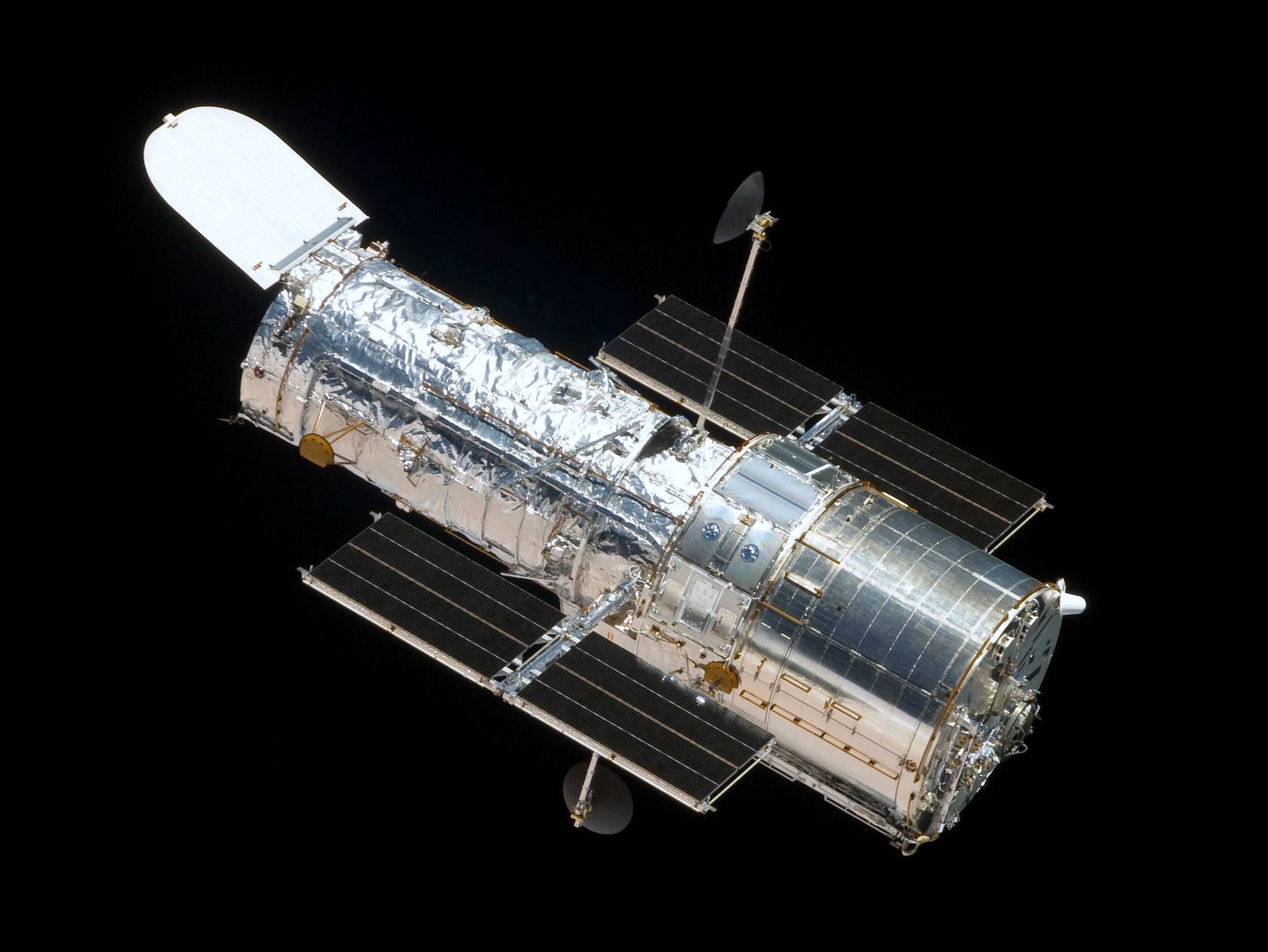
The Hubble Space Telescope, launched in 1990, revolutionized astronomy with its high-resolution images and versatility, while ground-based optical systems, such
Overview
The Hubble Space Telescope, launched in 1990, revolutionized astronomy with its high-resolution images and versatility, while ground-based optical systems, such as those at the [[keck-observatory|Keck Observatory]] and [[very-large-telescope|Very Large Telescope]], have their own strengths and limitations. This comparison will delve into the key differences between these two types of optical systems, including their design, capabilities, and applications. With the Hubble Space Telescope's 2.4m mirror and five main instruments, it has made significant contributions to our understanding of the universe, including the discovery of [[dark-energy|dark energy]] and the observation of [[distant-galaxies|distant galaxies]]. In contrast, ground-based optical systems have made significant advancements in recent years, with the development of [[adaptive-optics|adaptive optics]] and [[laser-guide-stars|laser guide stars]], allowing for sharper images and more precise observations. Ultimately, the choice between optical systems and the Hubble Space Telescope depends on the specific research goals and requirements of the project, with both options offering unique advantages and disadvantages.