
Contents
- 🎹 The Horowitz Phenomenon: A Legacy of Fire
- 📍 Key Recordings & Performances
- 🔥 The Horowitz Sound: Technique and Temperament
- 🤔 Horowitz vs. the Critics: A Contentious Relationship
- ⚡ Influence Flows: Shaping the Modern Pianist
- 🏆 Awards and Accolades (and the Ones He Ignored)
- 💡 Beyond the Keyboard: Personal Life and Philosophy
- 🚀 The Future of Horowitz's Legacy
- Frequently Asked Questions
- Related Topics
Overview
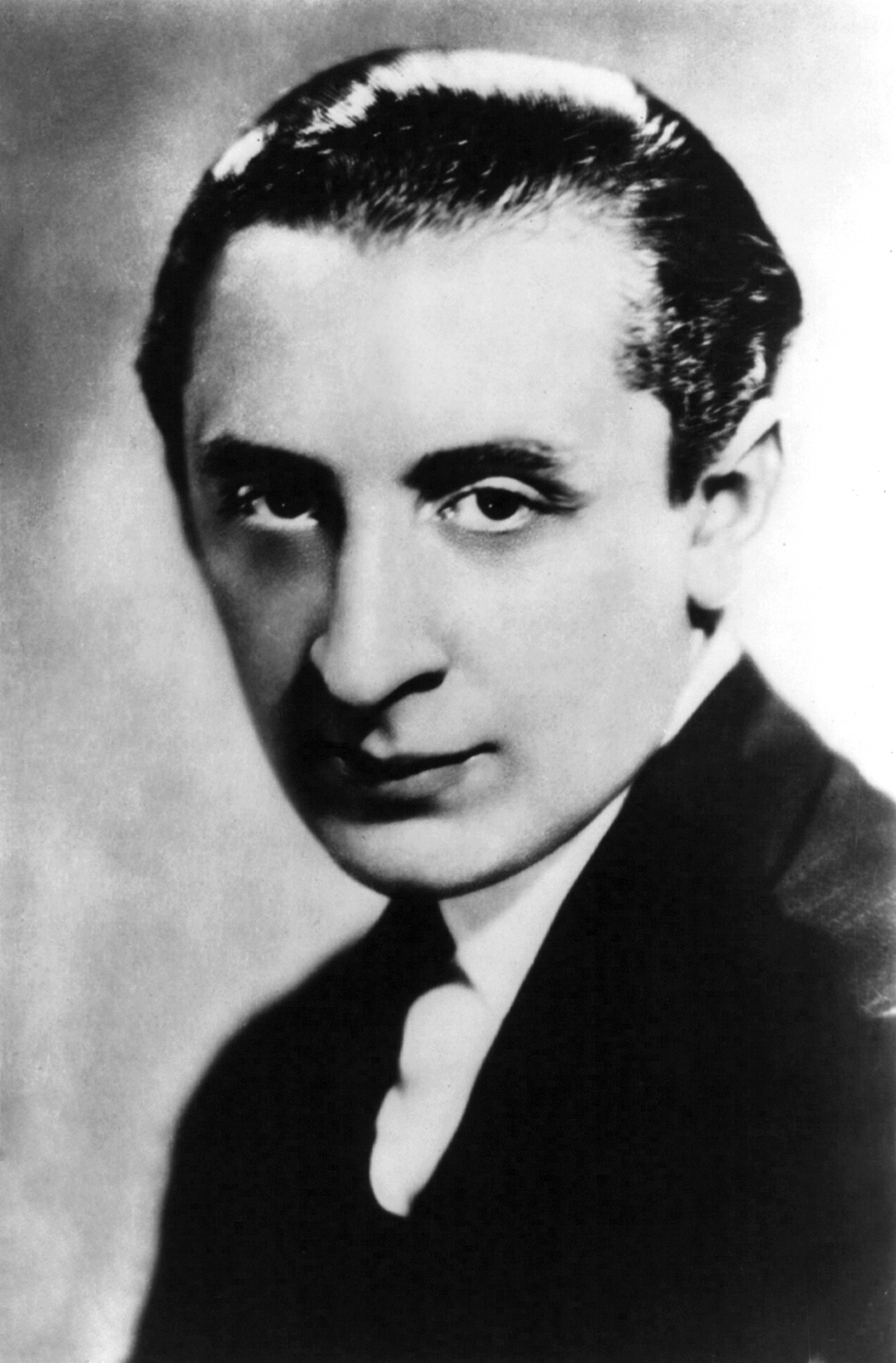
Vladimir Horowitz (1903-1989) was a Russian-American virtuoso pianist whose career spanned over six decades, defined by his electrifying technique, profound interpretive depth, and a famously reclusive nature. His performances, particularly of Romantic repertoire like Rachmaninoff and Chopin, were legendary for their raw power, unique tonal palette, and dramatic flair, often leaving audiences in a state of stunned reverence. Despite periods of self-imposed exile from public performance, his return concerts, such as the 1974 Carnegie Hall recital, were monumental cultural events. Horowitz's legacy is not just in his recordings, but in the sheer, almost terrifying, intensity he brought to the instrument, pushing its boundaries and setting an almost unattainable standard for pianists who followed.
🎹 The Horowitz Phenomenon: A Legacy of Fire
Vladimir Horowitz (1903-1989) wasn't just a pianist; he was a force of nature unleashed upon the concert stage. His career, spanning over six decades, was marked by electrifying performances, a notoriously selective public presence, and a sound that was both breathtakingly virtuosic and deeply personal. For anyone seeking the zenith of 20th-century piano artistry, understanding Horowitz is non-negotiable. He redefined what was possible at the keyboard, pushing the boundaries of technique and interpretation with a raw, almost primal energy that captivated audiences and intimidated rivals. His recordings, though sometimes sparse due to his exacting standards, remain essential listening for any serious music aficionado.
📍 Key Recordings & Performances
While Horowitz's discography is not as vast as some of his contemporaries, certain recordings stand as monumental achievements. His 1930s recordings for RCA Victor, particularly his Chopin and Liszt, established his early reputation for dazzling technique. The legendary 1965 return to Carnegie Hall, captured live by Columbia Records, is a masterclass in dramatic interpretation, showcasing his ability to command an audience with sheer presence. His later recordings for Deutsche Grammophon, including the 1985 Moscow recital, offer a more introspective, yet no less powerful, glimpse into his mature artistry. Each of these recordings represents a distinct chapter in his evolving musical journey, offering unique insights into his genius.
🔥 The Horowitz Sound: Technique and Temperament
The 'Horowitz Sound' is instantly recognizable: a thunderous, percussive attack married to a luminous, singing tone. His octaves were legendary, his trills blindingly fast, and his dynamic range seemingly limitless, from the softest pianissimo to a fortissimo that could shake the hall. This wasn't mere technical facility; it was a profound understanding of the piano's expressive capabilities, channeled through an often volatile temperament. He was known for his dramatic pauses, sudden shifts in tempo, and an almost improvisational freedom that kept audiences on the edge of their seats. This unique blend of control and abandon is what sets his playing apart, making it both thrilling and deeply human.
🤔 Horowitz vs. the Critics: A Contentious Relationship
Horowitz's relationship with critics was often a tempestuous affair. While many lauded his unparalleled virtuosity and unique interpretive insights, others found his playing overly eccentric or even vulgar. His tendency to take liberties with scores, particularly in his earlier career, drew fire from those who favored a more 'faithful' approach. He famously declared, "I play what I feel," a sentiment that both endeared him to fans and irked purists. This tension between his personal vision and traditional expectations is a recurring theme in discussions of his legacy, highlighting the subjective nature of artistic interpretation. The controversy surrounding his playing only adds to its enduring fascination.
⚡ Influence Flows: Shaping the Modern Pianist
The influence of Vladimir Horowitz on subsequent generations of pianists is immeasurable, though often subtle. Young virtuosos today still grapple with his recordings, seeking to emulate his technical prowess and interpretive daring. His approach to composers like Rachmaninoff, Liszt, and Scarlatti set new benchmarks, inspiring countless pianists to explore the more challenging and dramatic corners of the repertoire. While some may reject his more flamboyant tendencies, the sheer power and conviction of his playing remain a potent force. The 'Horowitz school' isn't a formal institution, but a pervasive spirit that continues to shape the aspirations of aspiring pianists worldwide.
🏆 Awards and Accolades (and the Ones He Ignored)
Horowitz garnered numerous prestigious awards throughout his career, including multiple Grammy Awards for his recordings. He received the Presidential Medal of Freedom in 1977 and was inducted into the Gramophone Hall of Fame. However, Horowitz was famously indifferent to accolades, often withdrawing from public life for extended periods. His decision to refuse certain invitations or to withhold recordings he deemed not up to his exacting standards speaks volumes about his artistic integrity. The awards are a testament to his impact, but they don't fully capture the essence of his artistic drive, which was always focused on the music itself.
💡 Beyond the Keyboard: Personal Life and Philosophy
Beyond the concert hall, Horowitz was a complex individual. He was married to Wanda Toscanini, daughter of the famed conductor Arturo Toscanini, a union that brought a certain artistic gravitas to his personal life. He battled periods of depression and anxiety, which sometimes led to his extended absences from the public eye. His philosophical outlook on music was deeply personal; he believed in the power of music to transcend the mundane and connect with the deepest human emotions. This introspective side, often hidden beneath the fiery exterior, adds another layer to understanding his profound musical interpretations.
🚀 The Future of Horowitz's Legacy
The legacy of Vladimir Horowitz continues to resonate, not just in the archives of classical music, but in the very way we perceive piano performance. As technology allows for more immersive ways to experience his art, from high-fidelity streaming to detailed analyses of his technique, his influence is likely to endure. The ongoing debate about his interpretive choices ensures that his music remains a living, breathing entity, rather than a static historical artifact. The question for the future is not whether Horowitz will be remembered, but how his unique brand of pianistic fire will continue to inspire and challenge new generations of artists and listeners alike.
Key Facts
- Year
- 1903
- Origin
- Kyiv, Russian Empire (now Ukraine)
- Category
- Classical Music / Pianism
- Type
- Person
Frequently Asked Questions
What are Vladimir Horowitz's most famous pieces?
While Horowitz was known for his interpretations of many composers, his performances of works by Rachmaninoff, Liszt, Chopin, and Domenico Scarlatti are particularly celebrated. His recordings of Rachmaninoff's Piano Concerto No. 3 and Liszt's Hungarian Rhapsodies are iconic. He also championed his own transcriptions and shorter piano pieces, which often showcased his dazzling technique.
When did Vladimir Horowitz retire?
Horowitz never officially 'retired' in the traditional sense. He famously withdrew from public performance for periods, notably between 1936 and 1938, and again in the early 1950s. He continued to perform and record intermittently until shortly before his death in 1989, giving a final concert in Moscow in 1986.
What made Horowitz's piano playing unique?
His playing was characterized by an extraordinary combination of immense technical power, a wide dynamic range, and a deeply personal, often dramatic, interpretive style. His octaves were legendary, his tone could be both thunderous and exquisitely delicate, and he possessed a unique ability to imbue even familiar works with a sense of spontaneous discovery. This blend of virtuosity and emotional intensity set him apart.
Where can I hear Vladimir Horowitz's recordings?
Horowitz's recordings are widely available on major streaming platforms like Spotify, Apple Music, and YouTube Music. Physical CDs and vinyl records can be found through online retailers such as Amazon, ArkivMusic, and specialist classical music stores. Many of his key performances are also preserved in archival collections.
Was Horowitz a difficult person?
Accounts suggest Horowitz could be temperamental and demanding, a trait not uncommon among artists of his caliber. He was known for his perfectionism, which extended to his public appearances and recording sessions. However, he also had a deep artistic integrity and a profound connection with his audience, which many found compelling.
How did Horowitz influence other pianists?
Horowitz's influence is profound, particularly in his approach to virtuoso repertoire and his willingness to push interpretive boundaries. Younger pianists often study his recordings to understand the pinnacle of technical execution and the power of individualistic expression. His dramatic flair and unique sound continue to inspire pianists to explore the full expressive potential of the instrument.