
Contents
Overview
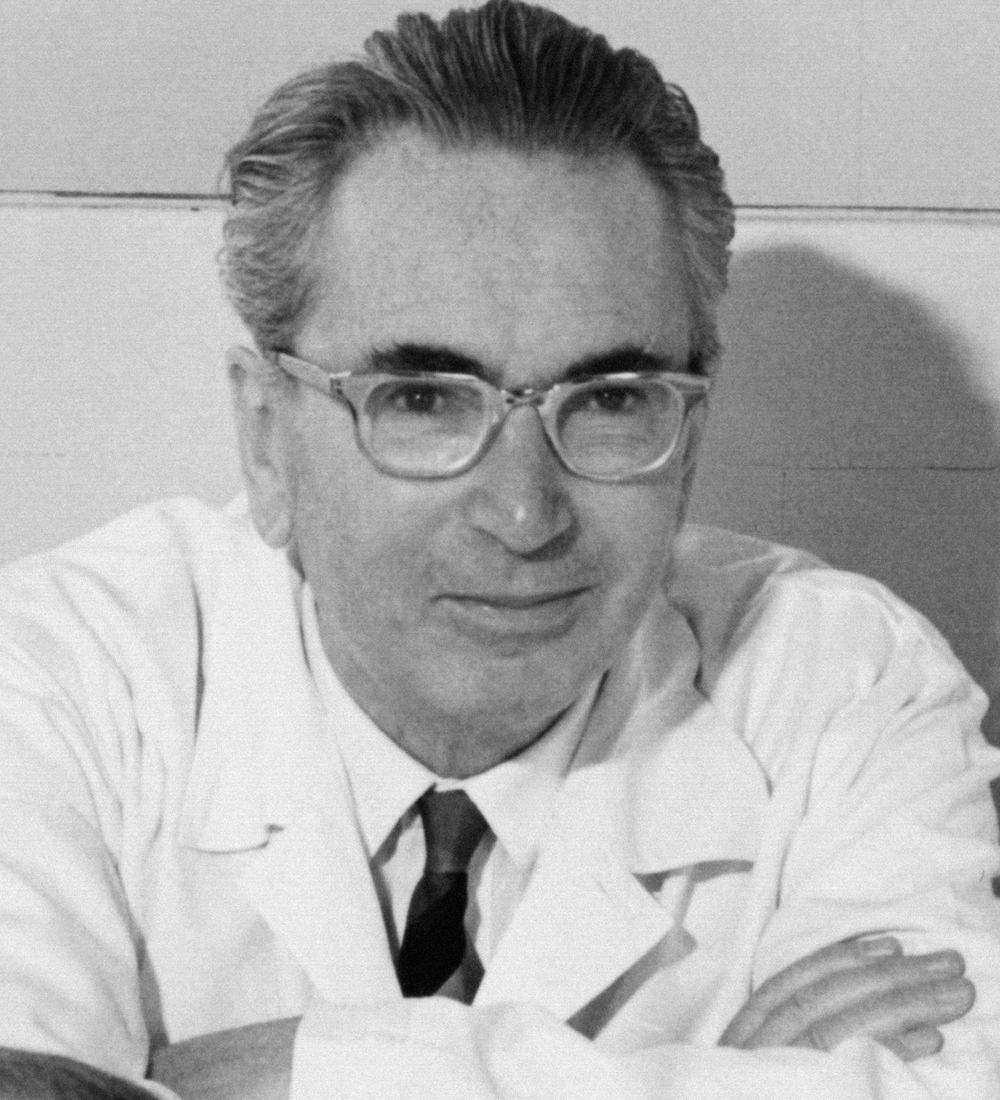
Born in Vienna, Austria, on March 26, 1905, Viktor Emil Frankl displayed an early intellectual curiosity, particularly in psychology. His formative years were shaped by the intellectual ferment of Vienna, a city that had already given the world Sigmund Freud and Alfred Adler. Frankl began developing his ideas on the search for meaning in his youth, even corresponding with Freud in his late teens. He studied medicine at the University of Vienna, specializing in neurology and psychiatry. His early professional career saw him working in psychiatric clinics, including the Austrian National Library's Department of Jewish Mental Health, before the Nazi annexation of Austria in 1938. The subsequent persecution of Jews led to his internment in concentration camps, including Theresienstadt, Auschwitz, and Türkheim, where he witnessed unimaginable suffering and loss, including the death of his parents and wife. It was within these camps, amidst the starkest deprivation, that his theories on the human drive for meaning were forged and tested, leading to the manuscript of 'Man's Search for Meaning' which he famously reconstructed after losing it during his internment.
⚙️ How It Works
Logotherapy, Frankl's therapeutic approach, centers on the idea that individuals are driven by a 'will to meaning.' Unlike Freud's 'will to pleasure' or Adler's 'will to power,' Frankl argued that the fundamental human motivation is to discover and fulfill a unique purpose in life. The therapy aims to help individuals identify this meaning, even in the face of suffering, by focusing on three main avenues: creating a work or doing a deed; experiencing something or encountering someone (love); and the attitude one takes toward unavoidable suffering. Frankl believed that while we cannot always control our circumstances, we retain the freedom to choose our response. This existential freedom, he contended, is the core of human dignity. The therapeutic process often involves Socratic dialogue, paradoxical intention, and dereflection to help patients confront their existential vacuum and find their personal meaning.
📊 Key Facts & Numbers
Frankl authored 39 books, translated into over 50 languages, with 'Man's Search for Meaning' selling an estimated 10 million copies worldwide. He was awarded over 29 honorary doctorates from universities across the globe, including the University of Vienna, Masaryk University, and Charles University. He received prestigious accolades such as the Austrian Decoration for Science and Art in 1970 and the Ring of Honour of the City of Vienna in 1995. Frankl lectured extensively, delivering over 2,000 lectures internationally throughout his career. He served as a professor of both neurology and psychiatry at the University of Vienna for 25 years. His work has been cited in over 10,000 academic publications, underscoring its profound academic and clinical reach.
👥 Key People & Organizations
Beyond Sigmund Freud and Alfred Adler, Frankl's intellectual lineage includes Søren Kierkegaard and Friedrich Nietzsche, whose existentialist philosophies explored themes of freedom, responsibility, and the search for meaning. His wife, Tilly Grosser, and daughter, Gabriele Vesely-Frankl, were significant figures in his personal life. He also had a notable professional relationship with Rollo May, a key figure in American existential psychology, who helped popularize Frankl's work in the United States. The Viktor Frankl Institute Vienna continues to promote his legacy and logotherapy worldwide. Organizations like the Logotherapy and Existential Analysis Society of Great Britain and the Viktor Frankl Foundation are dedicated to advancing his teachings and therapeutic practices.
🌍 Cultural Impact & Influence
Frankl's philosophy has permeated various aspects of culture, offering a framework for understanding human resilience and the pursuit of purpose. His concept of 'noögenic neurosis'—suffering arising from an existential vacuum—has influenced clinical psychology and counseling. 'Man's Search for Meaning' remains a staple in university curricula, particularly in psychology, philosophy, and literature departments, inspiring countless students and readers. The book's enduring popularity, with over 10 million copies sold, speaks to its universal appeal. His ideas have also found resonance in fields as diverse as business leadership, where finding organizational purpose is crucial, and in the recovery community, where the search for meaning is often central to overcoming addiction. The phrase 'the will to meaning' has entered the popular lexicon, signifying a fundamental human drive.
⚡ Current State & Latest Developments
In 2024, logotherapy continues to be practiced globally, with active professional organizations in numerous countries, including the International Logotherapy Foundation. The Viktor Frankl Archives at the Austrian National Library are actively maintained, ensuring access to his extensive writings and personal papers. Ongoing research explores the application of logotherapy in new contexts, such as palliative care, trauma recovery, and the challenges of the digital age. The Viktor Frankl Museum in Vienna provides a physical space dedicated to his life and work, attracting visitors interested in his philosophy and historical context. New translations and editions of his works continue to be published, reaching new generations of readers.
🤔 Controversies & Debates
A significant debate surrounds the extent to which Frankl's concentration camp experiences directly informed his logotherapy, with some critics questioning if his philosophical framework adequately captures the sheer horror and dehumanization of the Holocaust. Others argue that his focus on finding meaning, while inspiring, might inadvertently place undue burden on victims to find purpose in their suffering, potentially overlooking systemic issues. Furthermore, the classification of logotherapy as the 'third school' of Viennese psychotherapy is sometimes contested, with some scholars emphasizing its distinctiveness from both Freudian and Adlerian schools rather than a direct succession. The practical application of logotherapy has also faced scrutiny regarding its efficacy for severe mental illnesses compared to other therapeutic modalities, though its proponents highlight its unique strengths in addressing existential concerns.
🔮 Future Outlook & Predictions
The future of logotherapy appears robust, particularly in its integration with other therapeutic approaches. As societies grapple with increasing rates of existential anxiety, loneliness, and a perceived lack of meaning, Frankl's emphasis on purpose is likely to gain further traction. Experts predict a growing application of logotherapy in areas like positive psychology, coaching, and the burgeoning field of 'meaning-centered interventions.' The development of digital platforms for delivering logotherapeutic principles, potentially through AI-driven tools or online counseling, is also on the horizon. Furthermore, continued scholarly work on Frankl's extensive writings, including his unpublished lectures and correspondence, may reveal new dimensions to his philosophy and therapeutic techniques, ensuring his enduring relevance in understanding the human condition.
💡 Practical Applications
Logotherapy's practical applications extend far beyond the therapist's couch. In clinical settings, it's used to treat depression, anxiety, addiction, and existential crises, helping individuals confront their 'existential vacuum.' In educational contexts, Frankl's principles inform character development programs and ethical training, encouraging students to consider their responsibilities and potential contributions. In organizational psychology, logotherapy principles are applied to foster emplo
Key Facts
- Category
- philosophy
- Type
- topic