
Contents
Overview
The genesis of viennoiserie is linked to the mid-19th century, specifically the 1830s, when Austrian baker August Zang established a Viennese bakery in Paris. Zang introduced Parisian society to specialties like the kipferl (a precursor to the croissant) and Gugelhupf, sparking a culinary fascination with Viennese baking techniques. This influx of Austrian baking styles, characterized by enriched, often laminated doughs, began to diverge from traditional French breads and pastries. Over time, French bakers adapted and refined these techniques, particularly the lamination process, leading to the development of distinctively French viennoiseries such as the croissant and pain au chocolat. The term 'viennoiserie' itself, meaning 'things in the style of Vienna,' directly acknowledges this foundational influence, though the modern manifestations are largely a French innovation built upon those imported ideas.
⚙️ How It Works
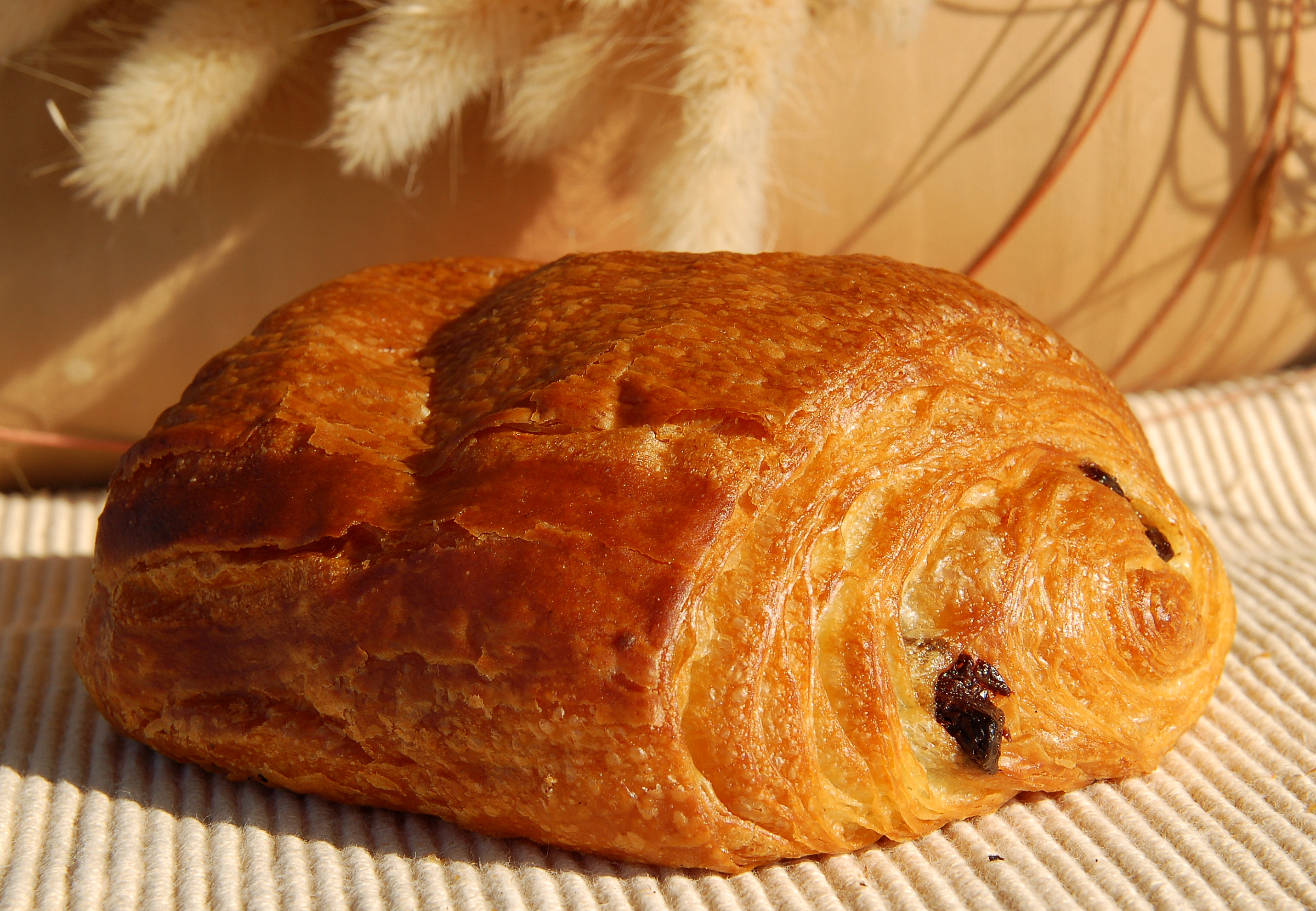
At its core, viennoiserie relies on two primary dough preparation methods: non-laminated and laminated. Non-laminated viennoiseries, like the brioche, are made from a dough enriched with significant amounts of butter, eggs, and sugar, resulting in a tender, cake-like crumb. Laminated viennoiseries, however, involve a complex process of 'turning' or 'folding' the dough, where layers of dough are interspersed with layers of butter. This technique, often involving multiple folds and chilling periods, creates dozens, sometimes hundreds, of paper-thin layers of dough and butter. During baking, the water in the butter turns to steam, pushing the dough layers apart, which is what gives croissants and Danish pastries their characteristic airy, flaky texture. The precise control of temperature and dough hydration is critical to achieving the desired honeycomb structure and crisp exterior.
📊 Key Facts & Numbers
Globally, the viennoiserie market is substantial. A single croissant, for instance, can contain upwards of 20-30 layers of dough and butter. In France, the average person consumes approximately 12 kilograms (26 pounds) of viennoiseries per year, with croissants accounting for a significant share. The production of laminated doughs can take anywhere from 3 to 24 hours, depending on the complexity of the folding process and resting times. The butter content in a classic croissant can range from 25% to 50% of the total dough weight, contributing to its rich flavor and texture. The global demand for premium baked goods, including viennoiserie, has seen a steady increase of around 4-5% annually in developed markets.
👥 Key People & Organizations
While August Zang is credited with introducing Viennese baking to Paris, the evolution of viennoiserie is a story of many hands. French bakers like Auguste Escoffier, though more renowned for haute cuisine, documented and codified many classic pastry techniques that influenced viennoiserie. The development of specific viennoiseries is often attributed to anonymous bakers in Parisian boulangeries who refined recipes over generations. Modern patissiers and bakers, such as Pierre Hermé and Cédric Grolet, continue to innovate within the viennoiserie space, pushing boundaries with new flavor combinations and presentations. Organizations like the French National Confederation of Bakers and Pastry Chefs play a role in preserving and promoting these traditional crafts.
🌍 Cultural Impact & Influence
Viennoiserie has transcended its European origins to become a globally recognized symbol of artisanal baking and a staple in breakfast menus worldwide. Its influence is evident in the proliferation of bakeries offering croissants, pain au chocolat, and Danish pastries in cities from Tokyo to New York. The aesthetic appeal of a perfectly laminated croissant, with its golden-brown exterior and airy interior, has made it a frequent subject in food photography and social media, contributing to its iconic status. This visual appeal has also inspired countless variations and fusion products, demonstrating the adaptability of the viennoiserie dough. The cultural significance is so profound that in France, the boulanger-pâtissier is a highly respected profession, embodying culinary heritage and craftsmanship.
⚡ Current State & Latest Developments
The current landscape of viennoiserie is marked by a dual trend: a strong adherence to traditional methods and a surge of innovation. Artisanal bakeries are experiencing a resurgence, emphasizing high-quality ingredients, traditional techniques like sourdough starters for brioche, and meticulous lamination. Simultaneously, there's a growing experimentation with flavors, incorporating global influences, seasonal fruits, and even savory elements into viennoiserie. For instance, the 'cronuts'—a hybrid of croissant and donut—popularized by Dominique Ansel in 2013, exemplifies this innovative spirit. Many bakeries are also focusing on sustainability, sourcing local butter and flours, and reducing waste in their production processes. The demand for vegan viennoiseries, using plant-based butter alternatives, is also a notable emerging trend.
🤔 Controversies & Debates
One of the most persistent debates surrounding viennoiserie centers on authenticity and regional variations. The 'true' croissant, for example, is a point of contention, with purists arguing for specific butter ratios, folding techniques, and ingredient sourcing, often referencing French standards. The use of margarine versus butter is another flashpoint, with many artisanal bakers vehemently opposing margarine due to its impact on flavor and texture. Furthermore, the classification of viennoiserie itself is sometimes debated; are they truly bread, pastry, or something entirely separate? The Dictionnaire Petit Robert famously described them as 'neither a pastry nor a bread,' highlighting this unique position. The increasing popularity of vegan alternatives also sparks debate about whether these can truly be considered authentic viennoiserie.
🔮 Future Outlook & Predictions
The future of viennoiserie appears robust, driven by continued consumer demand for artisanal and high-quality baked goods. We can anticipate further innovation in flavor profiles, potentially incorporating more fermented ingredients for complex tastes and improved digestibility, akin to the advancements seen in sourdough baking. The development of more sophisticated plant-based alternatives that mimic the texture and flavor of traditional butter will likely expand the market for vegan viennoiseries. Automation may also play a larger role in certain aspects of production, particularly for large-scale commercial operations, though artisanal craftsmanship will likely remain paramount for premium products. Expect to see a continued blurring of lines between viennoiserie and other baked categories, leading to novel hybrid creations.
💡 Practical Applications
Viennoiserie's primary application is as a breakfast item or a snack, offering a moment of indulgence. Beyond direct consumption, the techniques developed for viennoiserie, particularly lamination, have found applications in other baked goods, influencing the creation of puff pastry and other layered dough products. The dough itself can be a versatile base for both sweet and savory applications, from classic pains aux raisins to more contemporary savory croissants filled with cheese or ham. The knowledge of dough enrichment and fermentation is fundamental to many bakery operations, making viennoiserie a cornerstone of professional baking education and practice. High-end restaurants often feature viennoiserie as part of their brunch service or as a petit four.
Key Facts
- Category
- culture
- Type
- topic