
Contents
Overview
The literary vampire's journey began not with fangs, but with whispers in 18th-century European folklore and poetry, such as 'Lenore' by Gottfried August Bürger. John William Polidori's 'The Vampyre' (1819) was famously inspired by a ghost story session involving Lord Byron and Mary Shelley at Lake Geneva. This foundational text established the aristocratic, seductive vampire, a far cry from the peasant revenants of earlier tales. The genre reached a zenith with Bram Stoker's 'Dracula' (1897), which codified many of the vampire's enduring traits and became the definitive text for generations, solidifying its place within Gothic fiction.
⚙️ How It Works
Vampire literature operates on a core premise: the existence of an undead being who sustains itself by consuming the life force, typically blood, of the living. This sustenance grants the vampire unnatural longevity, often immortality, and a suite of supernatural abilities, including enhanced strength, speed, and sometimes shapeshifting or hypnotic powers. The narrative mechanics often revolve around the vampire's struggle with their predatory nature, their isolation from humanity, and the threat they pose to society or specific individuals. Key to the genre's appeal is the exploration of forbidden desires, the allure of eternal life, and the inherent conflict between the monstrous and the human within the vampire, as seen in the internal turmoil of characters like Lestat de Lioncourt in Anne Rice's works.
📊 Key Facts & Numbers
The vampire archetype has evolved from a purely monstrous figure to a complex symbol of otherness, forbidden desire, and existential angst. The genre's pervasive influence can be seen in everything from True Blood to the Vampire: The Masquerade role-playing game.
👥 Key People & Organizations
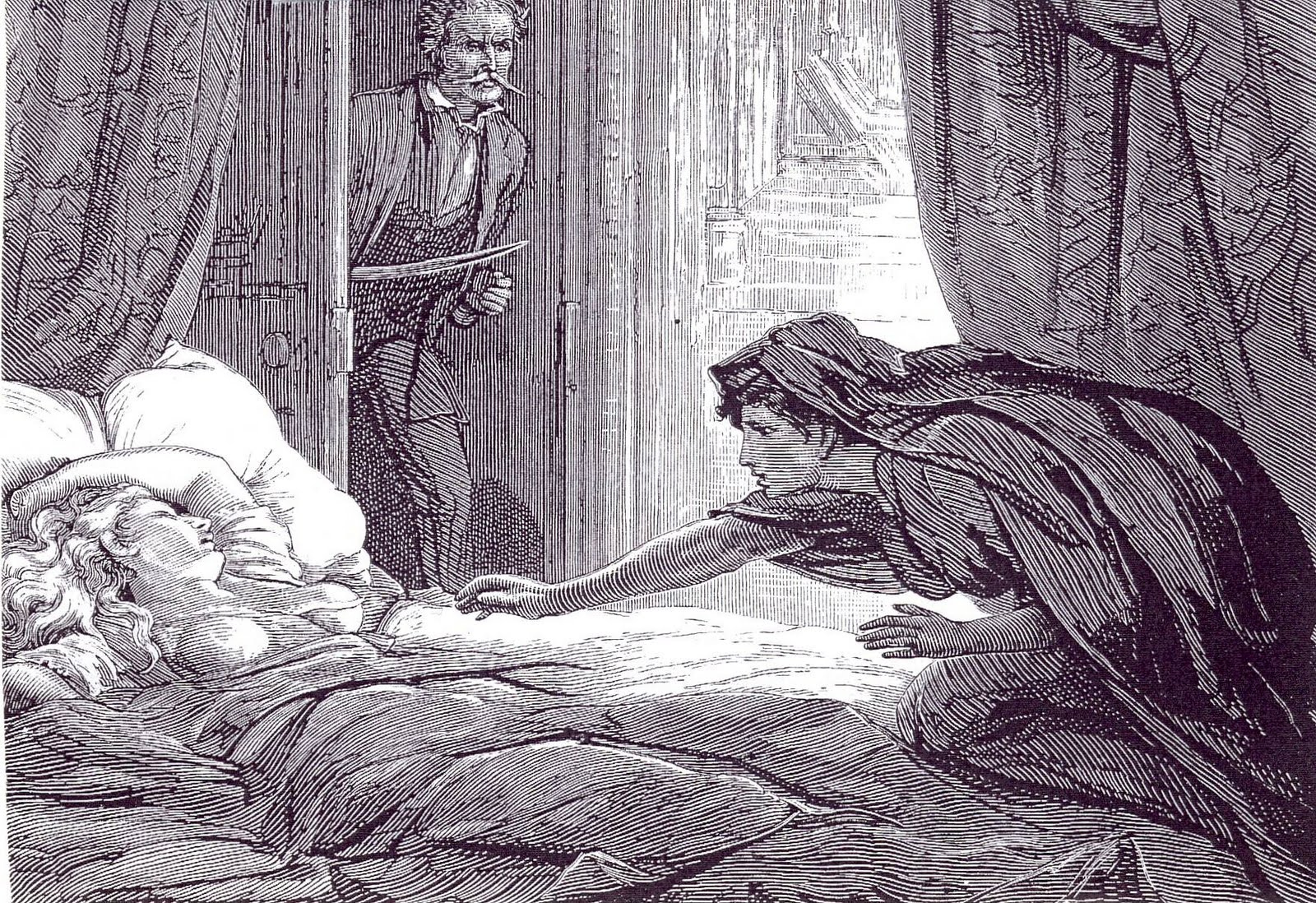
Beyond Bram Stoker, foundational figures include John William Polidori, whose 'The Vampyre' established the aristocratic vampire trope. Sheridan Le Fanu's 'Carmilla' (1872) offered an early, influential portrayal of a lesbian vampire, predating Stoker's Dracula and Lucy Westenra. Anne Rice revolutionized the genre in the late 20th century with 'Interview with the Vampire' (1976), introducing the sympathetic, introspective vampire and creating the influential Vampire Chronicles series. More recently, Stephenie Meyer's 'Twilight' saga, published by Little, Brown and Company, brought the vampire into mainstream young adult fiction, albeit with significant deviations from traditional lore.
🌍 Cultural Impact & Influence
Vampire literature has profoundly shaped popular culture, influencing not only subsequent literary works but also film, television, gaming, and fashion. The archetype has evolved from a purely monstrous figure to a complex symbol of otherness, forbidden desire, and existential angst. The vampire's enduring appeal lies in its adaptability, allowing authors to explore contemporary anxieties through a timeless mythological lens. From the Gothic dread of Dracula to the romantic angst of Twilight, the vampire has served as a mirror to societal fears and fascinations, consistently reinventing itself for new generations. The genre's pervasive influence can be seen in everything from True Blood to the Vampire: The Masquerade role-playing game.
⚡ Current State & Latest Developments
The contemporary landscape of vampire literature is remarkably diverse. While vampire romance continues to thrive, particularly in the young adult market with authors like Sarah J. Maas incorporating vampire elements, there's also a resurgence of darker, more traditional horror. Indie authors and small presses are pushing boundaries, exploring themes of vampire politics, societal integration, and the ecological impact of immortal predators. The rise of webcomics and serialized fiction platforms like Webtoon has also provided new avenues for vampire narratives, reaching massive global audiences. For instance, the webcomic 'Castlevania' (based on the video game series) has seen significant literary spin-offs and fan fiction engagement.
🤔 Controversies & Debates
One of the most persistent debates in vampire literature concerns the 'sympathetic vampire' versus the traditional monster. Critics argue that the romanticization of vampires, particularly in YA fiction, sanitizes their inherently predatory nature and can normalize unhealthy relationship dynamics. Conversely, proponents contend that these modern interpretations offer valuable explorations of alienation, otherness, and the capacity for redemption, allowing for more complex character studies. Another point of contention is the perceived over-saturation of the market, with some arguing that the trope has become cliché, while others maintain its enduring power lies in its flexibility and capacity for reinvention, citing the continued success of franchises like The Vampire Diaries.
🔮 Future Outlook & Predictions
The future of vampire literature appears poised for further diversification and subversion. Expect a continued push towards more nuanced portrayals, moving beyond simple romantic tropes to explore the philosophical implications of immortality, the ethics of blood consumption in a modern context, and the potential for vampire societies to grapple with issues like climate change or technological advancement. There's also a growing interest in deconstructing the genre's colonialist undertones, with authors exploring vampire myths from non-Western perspectives. The rise of AI-generated content might also introduce novel narrative structures or character archetypes, though the human element of storytelling will likely remain paramount, as demonstrated by the ongoing popularity of authors like Deborah Harkness.
💡 Practical Applications
Vampire literature serves as a powerful tool for exploring complex human emotions and societal issues. Its narratives offer practical applications in understanding themes of addiction (the need for blood), alienation (the vampire's isolation), and the duality of human nature (the beast within). The genre provides a rich ground for psychological exploration, allowing readers to vicariously experience the allure of power, the burden of immortality, and the struggle against primal urges. Furthermore, the detailed world-building and character development in successful vampire novels can serve as case studies for aspiring writers in crafting compelling narratives and immersive fictional universes, as exemplified by the detailed lore in The Southern Vampire Mysteries.
Key Facts
- Category
- culture
- Type
- topic