
Contents
Overview
The genesis of the USB flash drive can be traced back to the mid-1990s, with early development efforts by companies like Toshiba and Magen (IDF) in 1996, who patented related technologies. However, the commercial breakthrough arrived in late 2000 with the launch of the 'ThumbDrive' by Trek Technology and the 'U-Disk' by Phison Electronics. These early devices, boasting capacities of 8MB, were a revelation compared to the 1.44MB floppy disks that dominated portable storage. The standardization of the Universal Serial Bus (USB) interface, championed by companies like Intel, Microsoft, and IBM, provided the crucial plug-and-play compatibility that fueled rapid adoption. Kingston Technology was among the first major manufacturers to license the technology and bring it to a mass market, quickly establishing the form factor that would become globally recognized.
⚙️ How It Works
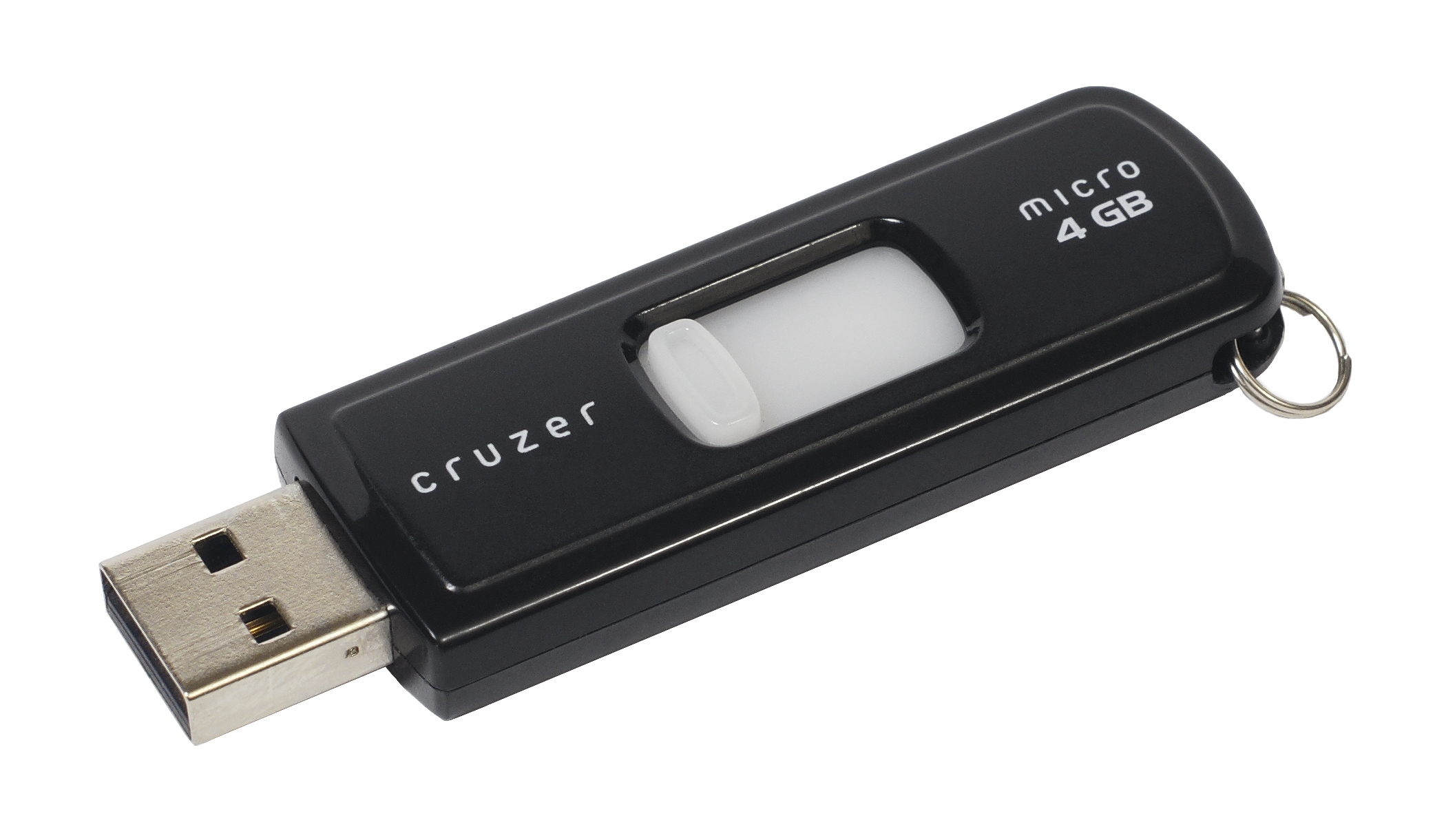
At its heart, a USB flash drive is a marvel of solid-state engineering. It comprises flash memory chips, typically NAND-based, which store data electronically without moving parts. This memory is managed by a small controller chip that handles data input/output, error correction, and communication with the host device via the integrated USB connector. When plugged into a computer or other compatible device, the USB interface allows for high-speed data transfer, enabling rapid reading and writing of files. Unlike older magnetic storage like floppy disks, flash memory retains data even when unpowered, and its lack of mechanical components makes it far more resistant to shock and vibration, contributing to its legendary durability.
📊 Key Facts & Numbers
The scale of USB flash drive adoption is staggering. Since their commercial debut in 2000, capacities have grown exponentially, from the initial 8MB to a current maximum of 4TB in production as of 2024. The average capacity of drives sold in 2023 hovered around 128GB, a testament to the plummeting cost per gigabyte. Billions of units are produced annually, with global shipments exceeding 2 billion units in peak years. The market value, while fluctuating with component costs and demand, has consistently been in the multi-billion dollar range, often exceeding $10 billion USD. These drives can typically withstand between 10,000 to 100,000 write/erase cycles, and their estimated shelf life under normal storage conditions is between 10 to 100 years.
👥 Key People & Organizations
Several key individuals and organizations were instrumental in bringing the USB flash drive to prominence. Shigeo Shingo, though not directly involved with flash drives, pioneered the Poka-yoke (mistake-proofing) principles that underpin reliable technology. Arun Iyengar, an engineer at IBM, is credited with early work on flash memory controllers. Trek Technology's CEO, Dr. Wai Kwok Fung, played a pivotal role in commercializing the 'ThumbDrive'. Kingston Technology and SanDisk (now part of Western Digital) emerged as dominant manufacturers, investing heavily in production and marketing. The USB Implementers Forum (USB-IF) has been crucial in developing and maintaining the USB specifications, ensuring interoperability across countless devices and manufacturers.
🌍 Cultural Impact & Influence
The USB flash drive has profoundly impacted digital culture, democratizing data portability and accessibility. It became the go-to tool for students sharing assignments, professionals transporting presentations, and hobbyists backing up projects. Its ubiquity led to the normalization of carrying digital assets physically, influencing everything from music sharing (before widespread streaming) to the distribution of software and operating systems. The iconic design, often resembling a pen or a small stick, became instantly recognizable. While streaming and cloud storage have altered its primary role, the flash drive remains a symbol of personal data control and immediate access, a tangible representation of the digital age's mobile capabilities, influencing the design of subsequent portable devices like external hard drives and SD cards.
⚡ Current State & Latest Developments
In 2024, USB flash drives continue to be a relevant, albeit evolving, technology. While cloud storage services like Google Drive and Dropbox handle much of the routine file syncing and backup, flash drives retain their niche for offline data transfer, secure storage, and bootable operating system installations. The latest advancements focus on increasing speeds through newer USB standards like USB4 and Thunderbolt, offering read/write speeds that rival internal SSDs. Manufacturers are also pushing capacity limits, with 2TB and 4TB drives becoming more accessible, catering to professionals dealing with massive datasets, such as video editors and photographers. The ruggedized and encrypted flash drive market also continues to grow, serving security-conscious individuals and enterprises.
🤔 Controversies & Debates
Despite their utility, USB flash drives are not without controversy. Concerns about data security and privacy are paramount, as lost or stolen drives can expose sensitive personal or corporate information if not properly encrypted. The ease with which malware, such as viruses and ransomware, can be spread via infected drives has led to security warnings from organizations like the U.S. Computer Emergency Readiness Team (US-CERT). Furthermore, the environmental impact of discarded electronic waste, including billions of flash drives, is a growing concern, prompting calls for more sustainable manufacturing and recycling practices. The debate also touches on the long-term reliability of flash memory, with some studies questioning the 100-year shelf-life claims under adverse conditions.
🔮 Future Outlook & Predictions
The future of the USB flash drive hinges on its ability to adapt to an increasingly cloud-centric and wireless world. While direct replacements are unlikely in the short term, their role will likely shift further towards specialized applications. We can expect continued increases in speed and capacity, potentially blurring the lines with portable SSDs. The integration of enhanced security features, such as hardware-based encryption and biometric authentication, will become standard for enterprise-grade drives. Furthermore, as wireless data transfer technologies like NFC and Bluetooth advance, the physical connector might eventually become less critical, though the underlying flash memory technology will undoubtedly persist in various forms, perhaps embedded directly into devices or integrated into new portable form factors.
💡 Practical Applications
USB flash drives boast a wide array of practical applications, making them indispensable tools across various sectors. For individuals, they are perfect for transferring large files between computers without relying on internet connectivity, creating bootable media for operating system installations or repairs, and securely storing sensitive documents offline. In education, they facilitate the sharing of research papers and project files. Businesses utilize them for secure data transport, software distribution, and as a physical key for system access. Forensic investigators often use specialized, write-protected USB drives to safely collect digital evidence from compromised systems. Even in the realm of entertainment, they are used for firmware updates on devices like smart TVs and gaming consoles, and for storing media files for playback.
Key Facts
- Category
- technology
- Type
- topic