
Contents
Overview
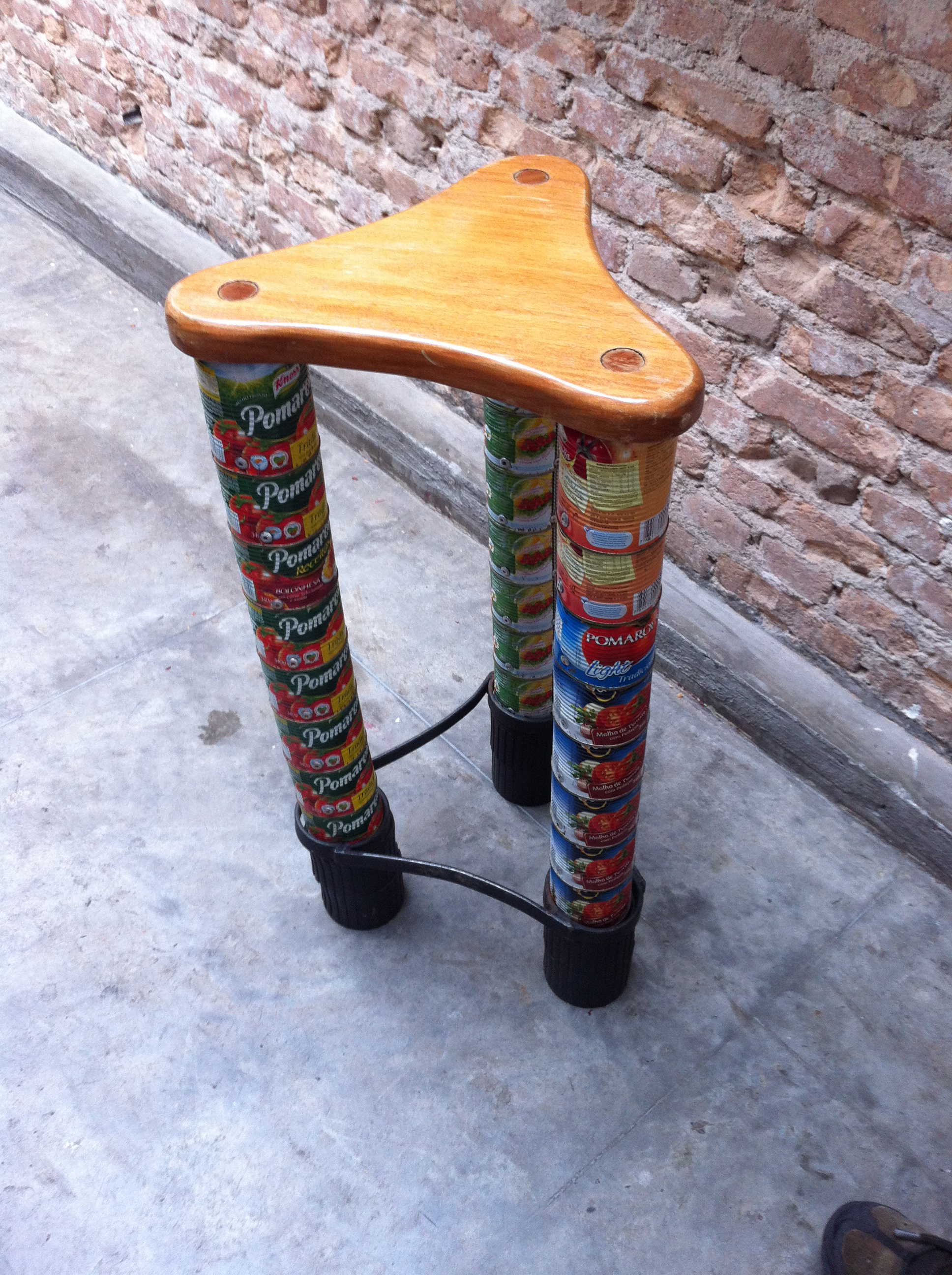
Upcycled art is a vibrant and increasingly mainstream artistic movement that breathes new life into discarded materials, transforming waste into objects of aesthetic and often conceptual value. Unlike traditional recycling, upcycling involves creative reuse where unwanted items are repurposed into new artworks with enhanced quality or meaning. This practice spans a vast array of media, from sculpture and collage to functional design, challenging conventional notions of value and sustainability. Artists working in this domain often grapple with themes of consumerism, environmentalism, and the hidden potential within the mundane. The global upcycled art market, though difficult to quantify precisely due to its decentralized nature, sees millions of dollars exchanged annually through galleries, online platforms, and direct sales, reflecting a growing appreciation for art that is both visually compelling and ethically grounded.
🎵 Origins & History
The roots of upcycled art are as old as human ingenuity itself, with historical precedents found in virtually every culture that repurposed materials out of necessity. However, the modern concept of upcycling gained traction in the late 20th century, fueled by growing environmental consciousness and a desire to challenge consumerist waste. Early proponents in the art world began experimenting with found objects and discarded materials, influenced by movements like Dada and assemblage, which embraced everyday detritus. The rise of the environmental movement in the 1970s and 80s further propelled this practice, moving it from a niche concern to a recognized artistic strategy.
⚙️ How It Works
Upcycled art operates on a principle of creative transformation. The process begins with the artist identifying waste materials – anything from discarded electronics and plastic bottles to old textiles and scrap metal. The key is not just to reuse but to enhance the material's perceived value. This might involve deconstructing an object to its component parts, repainting, reshaping, or combining it with other disparate elements. For instance, a broken Sony Walkman might be disassembled, its circuit boards and plastic casing meticulously arranged into a mosaic, or its internal gears reconfigured into a kinetic sculpture. The artist's skill in upcycled art lies in seeing the aesthetic or conceptual potential in what others deem worthless, imbuing the final piece with a narrative or commentary that transcends the original object's utility. This often requires a deep understanding of materials and a willingness to experiment with unconventional techniques, pushing the boundaries of traditional art-making.
📊 Key Facts & Numbers
Globally, an estimated 2.01 billion tonnes of municipal solid waste were generated in 2016, with projections reaching 3.40 billion tonnes by 2050, according to the World Bank. Upcycled art directly addresses this crisis, diverting a fraction of this waste stream. While precise market figures for upcycled art are elusive, the broader market for sustainable art and crafts is substantial. Online marketplaces like Etsy feature hundreds of thousands of upcycled art listings, with some individual artists reporting annual sales exceeding $50,000 USD. Furthermore, major art fairs and galleries are increasingly showcasing artists who work with reclaimed materials, indicating a growing commercial and critical acceptance. The number of artists identifying with "eco-art" or "sustainable art" practices has surged by an estimated 30% in the last decade.
👥 Key People & Organizations
Numerous artists have championed the upcycling ethos. Organizations like The Reclaimed Wood Project and Scrap DC actively promote the use of salvaged materials in art and design, providing resources and exhibition spaces. The Green Museum also serves as a vital online hub, documenting and promoting environmentally conscious art practices. These individuals and entities are crucial in elevating upcycled art from a DIY hobby to a recognized artistic discipline.
🌍 Cultural Impact & Influence
Upcycled art has profoundly influenced contemporary culture by challenging perceptions of value, waste, and beauty. It has seeped into mainstream design, fashion, and even activism, popularizing the idea that discarded items can possess significant aesthetic and emotional worth. The movement has fostered a greater awareness of environmental issues, prompting consumers to reconsider their own consumption habits. Documentaries like "Waste Land" (2010), which followed artist Vik Muniz as he created art from garbage pickers' materials in Brazil, brought the concept to a global audience. Upcycled art has also inspired DIY culture, with countless tutorials and workshops empowering individuals to create their own repurposed artworks. This democratization of art-making has broadened its cultural reach beyond traditional gallery spaces.
⚡ Current State & Latest Developments
The current landscape of upcycled art is dynamic and expanding. We're seeing an increased integration of technology, with artists using discarded electronics to create interactive installations or digital art derived from recycled materials. The rise of social media platforms like Instagram has provided unprecedented visibility for upcycled artists, allowing them to connect directly with audiences and collectors worldwide. Major exhibitions focusing on sustainable art are becoming more common in institutions like the Tate Modern and the Museum of Modern Art (MoMA). Furthermore, the commercial sector is increasingly embracing upcycled aesthetics, with brands incorporating reclaimed materials into their product lines and marketing campaigns, signaling a broader cultural shift towards sustainability. The emergence of online communities dedicated to upcycling further fuels innovation and collaboration among artists.
🤔 Controversies & Debates
The practice of upcycling art is not without its critics and debates. One significant controversy revolves around the definition of "art" versus "craft" or "hobby." Some traditional art critics question whether repurposing existing objects possesses the same conceptual depth or originality as creating art from raw materials. Another debate concerns authenticity and authorship: when an artist uses pre-existing objects, to what extent is the final work their own creation versus a recontextualization of someone else's product? Furthermore, questions arise about the true environmental impact; while diverting waste is positive, the energy and resources used in transporting, cleaning, and transforming these materials must also be considered. Some argue that the focus should remain on reducing consumption rather than finding creative ways to deal with excess waste, a viewpoint often associated with zero-waste advocates.
🔮 Future Outlook & Predictions
The future of upcycled art appears robust, driven by escalating environmental concerns and technological advancements. We can anticipate a greater fusion of upcycled art with artificial intelligence and virtual reality, leading to immersive and interactive experiences. Expect to see more large-scale public art installations made from reclaimed industrial waste, serving as both aesthetic landmarks and environmental statements. The commercial viability of upcycled art is also likely to grow as consumers increasingly prioritize sustainable and ethically produced goods. Artists may also develop more sophisticated techniques for transforming materials, blurring the lines between upcycling and traditional art forms. The challenge will be to maintain the critical edge and environmental integrity of the movement as it gains mainstream acceptance and commercial appeal.
💡 Practical Applications
Upcycled art finds practical applications across numerous domains beyond fine art. In interior design, reclaimed wood, salvaged metal, and repurposed textiles are used to create unique furniture, lighting, and decorative elements, offering both aesthetic appeal and a reduced environmental footprint. The fashion industry extensively uses upcycling, transforming old garments into new clothing or accessories, a practice often termed "re-fashioning." In product design, discarded materials are reimagined into functional items like bags made from old banners or planters from us
Key Facts
- Category
- aesthetics
- Type
- topic