
Contents
- ☂️ What Exactly Is an Umbrella?
- ☀️ Sun vs. Rain: A Historical Divide
- 🛠️ Anatomy of an Umbrella: More Than Just Fabric
- 🛍️ Types of Umbrellas: From Pocket-Sized to Patio Giants
- ✨ Style and Substance: The Fashion Factor
- 💡 Innovations and Smart Umbrellas
- 🌍 Global Variations: Parasols, Parapluies, and En-tout-cas
- 🤔 Choosing Your Shield: Practical Considerations
- 💧 Durability and Maintenance: Making It Last
- 💸 Cost and Value: Investing in Protection
- Frequently Asked Questions
- Related Topics
Overview
The umbrella, often seen as a simple tool for protection against rain, has a rich history dating back thousands of years. Originating in ancient civilizations such as Egypt and China, umbrellas have evolved in design and purpose, transitioning from ceremonial objects to everyday essentials. The engineering behind modern umbrellas includes advancements in materials and mechanics, making them lighter and more durable. Culturally, umbrellas symbolize protection, status, and even romance, as seen in art and literature. As climate change intensifies weather patterns, the future of umbrellas may see innovations that address not only rain but also sun protection and sustainability.
☂️ What Exactly Is an Umbrella?
An umbrella, at its most basic, is a portable canopy designed to shield its user from precipitation or solar radiation. This seemingly simple device consists of a fabric or plastic covering stretched over a collapsible frame of ribs, all attached to a central pole. While we often associate them with dodging downpours, their origins are rooted in providing shade from the sun. The term 'umbrella' itself derives from the Latin 'umbra,' meaning shade, highlighting its initial purpose. Modern iterations, however, have evolved significantly, offering robust protection against both elements.
☀️ Sun vs. Rain: A Historical Divide
Historically, the distinction between sun and rain protection was more pronounced. In ancient civilizations, like Egypt and Assyria, elaborate parasols were symbols of status, used exclusively for sunshade. The transition to rain protection, or the 'parapluie,' gained traction much later, particularly in Europe during the 17th and 18th centuries. This evolution reflects changing societal needs and technological advancements in fabric waterproofing. Some cultures still maintain this linguistic separation, using distinct terms for sun and rain shields, while others, like in English, often use 'umbrella' for both.
🛠️ Anatomy of an Umbrella: More Than Just Fabric
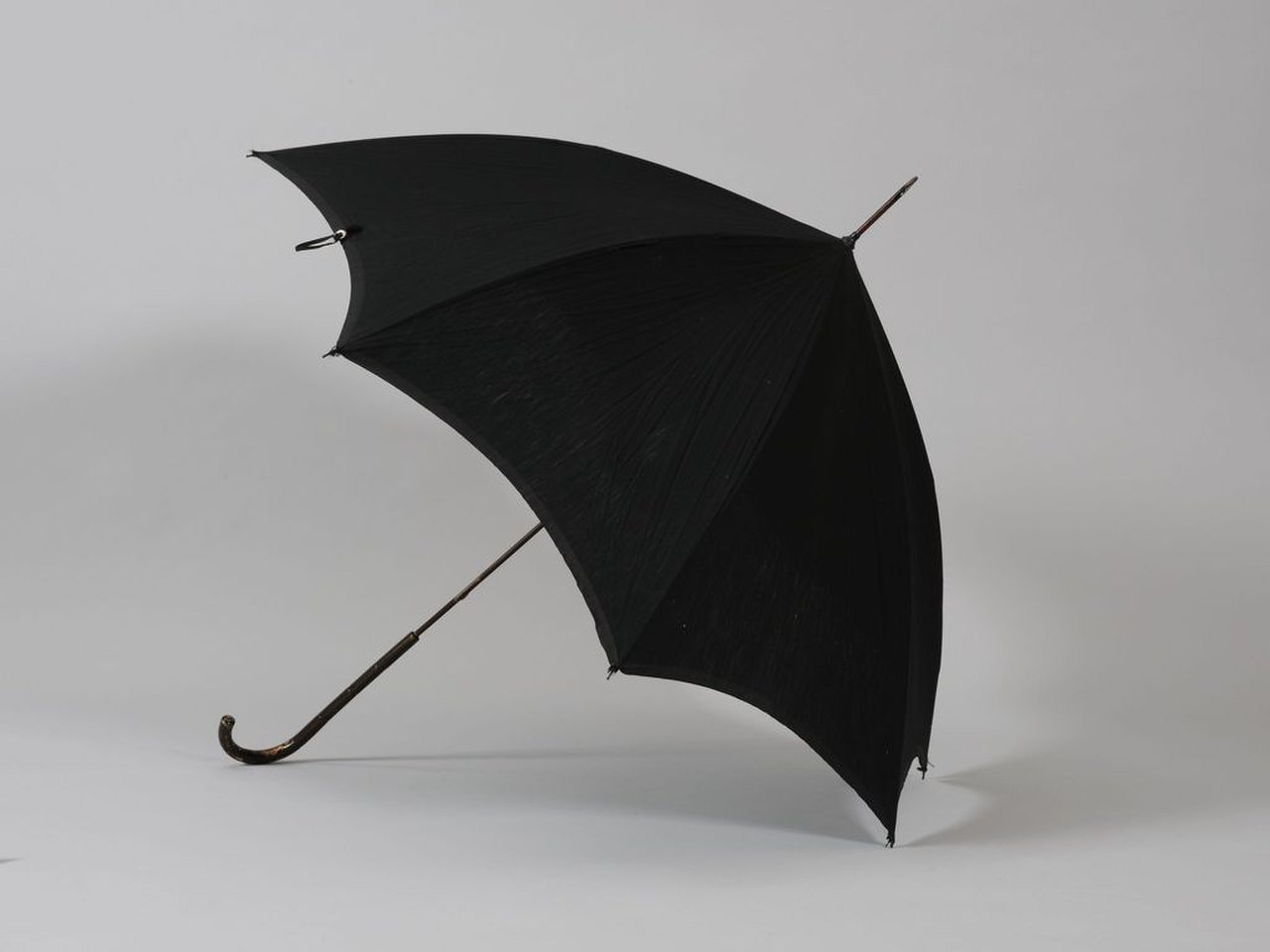
The construction of a modern umbrella is a marvel of engineering. The canopy, typically made from water-repellent synthetic fabrics like polyester or nylon, is supported by a series of metal or fiberglass ribs. These ribs are crucial for the umbrella's structural integrity, allowing it to withstand wind. The pole, often made of metal or wood, houses the opening and closing mechanism, which can range from simple manual operations to automatic spring-loaded systems. The handle, designed for grip, can be made from various materials, including plastic, wood, or even leather.
🛍️ Types of Umbrellas: From Pocket-Sized to Patio Giants
The market offers a dizzying array of umbrella types, each suited for different needs. Compact, folding umbrellas are designed for portability, easily fitting into bags or briefcases. Stick umbrellas, with their longer, non-folding shafts, often boast greater durability and a more classic aesthetic. For larger-scale protection, patio umbrellas and beach umbrellas provide expansive shade for outdoor spaces, while golf umbrellas are engineered to be exceptionally large and wind-resistant, accommodating multiple people. Each type represents a specific trade-off between portability, coverage, and sturdiness.
✨ Style and Substance: The Fashion Factor
Beyond mere utility, umbrellas have long been embraced as fashion accessories. From the elegant, lace-trimmed parasols of Victorian eras to the sleek, minimalist designs of contemporary brands, umbrellas can elevate an outfit. Designers often incorporate vibrant patterns, unique shapes, and premium materials to make a statement. The color of an umbrella can also play a role; black is classic and sophisticated, while bright colors can add a pop of personality. Some high-end umbrellas even feature intricate detailing, turning a practical item into a piece of wearable art.
💡 Innovations and Smart Umbrellas
The humble umbrella is not immune to technological advancement. 'Smart' umbrellas are emerging, equipped with features like Bluetooth connectivity to remind you where you parked, built-in LED lights for visibility, or even weather alerts. Some canopies now incorporate UV-protective coatings, often a silver lining on the inside, to offer enhanced protection against harmful ultraviolet rays. Innovations in materials science are also leading to lighter, stronger frames and more durable, stain-resistant fabrics, pushing the boundaries of what a simple umbrella can do.
🌍 Global Variations: Parasols, Parapluies, and En-tout-cas
The terminology surrounding umbrellas varies significantly across the globe. In many Romance language countries, 'parasol' specifically denotes a sunshade, while 'parapluie' (French) or 'parapioggia' (Italian) refers to a rain umbrella. The 'en-tout-cas,' a French term meaning 'in all cases,' describes a hybrid umbrella designed for both sun and rain. Understanding these regional differences can be helpful when traveling or purchasing abroad, ensuring you select the right tool for the prevailing climate.
🤔 Choosing Your Shield: Practical Considerations
Selecting the right umbrella involves balancing several factors. Consider the primary use: will it be for daily commutes, occasional downpours, or intense sun exposure? For frequent travelers, a compact, lightweight folding umbrella is ideal. If durability against strong winds is paramount, a sturdy stick umbrella with a fiberglass frame might be a better choice. For extensive outdoor use, a large patio or beach umbrella is necessary. Pay attention to the canopy size, the frame material, and the ease of operation. A good umbrella is an investment in comfort and protection.
💧 Durability and Maintenance: Making It Last
The lifespan of an umbrella is directly tied to its construction quality and how well it's maintained. Cheaper, flimsy umbrellas are prone to breaking in moderate winds, leading to frequent replacements. Investing in a well-made umbrella with a robust frame and high-quality canopy can significantly extend its usability. Proper care involves allowing the umbrella to dry completely before folding it to prevent rust and mildew. Storing it in its protective sleeve when not in use also helps maintain its condition. Regular checks for loose ribs or tears can preempt minor issues from becoming major problems.
💸 Cost and Value: Investing in Protection
The price of umbrellas spans a wide spectrum, from a few dollars for basic, disposable models to hundreds for high-end designer or technologically advanced options. While it's tempting to opt for the cheapest available, these often lack durability and can be a false economy. A mid-range umbrella, typically costing between $20 and $50, often strikes a good balance between quality, features, and affordability. For those seeking exceptional longevity and premium materials, investing in a higher-priced, well-crafted umbrella can prove more cost-effective in the long run, offering superior performance and style.
Key Facts
- Year
- 2023
- Origin
- Ancient Egypt and China
- Category
- Everyday Objects
- Type
- Object
Frequently Asked Questions
What's the difference between an umbrella and a parasol?
Historically, an umbrella was designed for rain protection (parapluie), while a parasol was specifically for sunshade. The term 'umbrella' itself derives from 'umbra' (shade). In modern English, 'umbrella' is often used for both, but some cultures maintain the distinction. Hybrid types, like the 'en-tout-cas,' aim to serve both purposes.
Are there umbrellas designed to withstand strong winds?
Yes, many umbrellas are engineered for wind resistance. Look for models with sturdy frames made from fiberglass or reinforced metal, vented canopies that allow wind to pass through, and a larger canopy size. Some 'windproof' umbrellas feature a double-canopy design that prevents inversion. Stick umbrellas, due to their simpler, more robust construction, often fare better in high winds than compact folding models.
How can I make my umbrella last longer?
Proper maintenance is key. Always allow your umbrella to dry completely before folding and storing it to prevent rust and fabric damage. Avoid forcing it open or closed, and be gentle with the mechanism. Store it in its protective sleeve when not in use to prevent snags and tears. If a rib becomes loose, try to fix it promptly rather than letting it worsen.
What does a silver coating on the inside of an umbrella do?
A silver coating on the inner side of an umbrella canopy is typically a UV-protective layer. It helps to reflect sunlight and block harmful ultraviolet (UV) rays, offering enhanced protection from sun exposure. This feature is particularly beneficial for umbrellas intended for use as parasols.
Are 'smart' umbrellas worth the extra cost?
Whether a 'smart' umbrella is worth it depends on your needs and budget. Features like weather alerts, location reminders, or built-in lights can be convenient for some users. However, they often come at a significantly higher price point than traditional umbrellas. For most people, a well-made, durable, non-smart umbrella provides sufficient protection and value.
What materials are best for umbrella frames?
Fiberglass and steel are common materials for umbrella frames. Fiberglass is lightweight, flexible, and resistant to rust, making it excellent for wind resistance. Steel is strong and durable but can be heavier and prone to rust if not treated. Aluminum is another option, offering a good balance of weight and strength. The quality of the frame construction is often more important than the specific material.