
Contents
- 🧪 Chemical Composition and Curing
- ⚙️ Types of Two-Part Adhesives
- 🛠️ Application and Mixing Techniques
- 💪 Substrate Compatibility and Surface Preparation
- 🌡️ Curing Conditions and Factors
- 🏆 Performance Characteristics and Benefits
- 🏭 Industrial Applications
- ⚠️ Safety and Handling Precautions
- Frequently Asked Questions
- References
- Related Topics
Overview
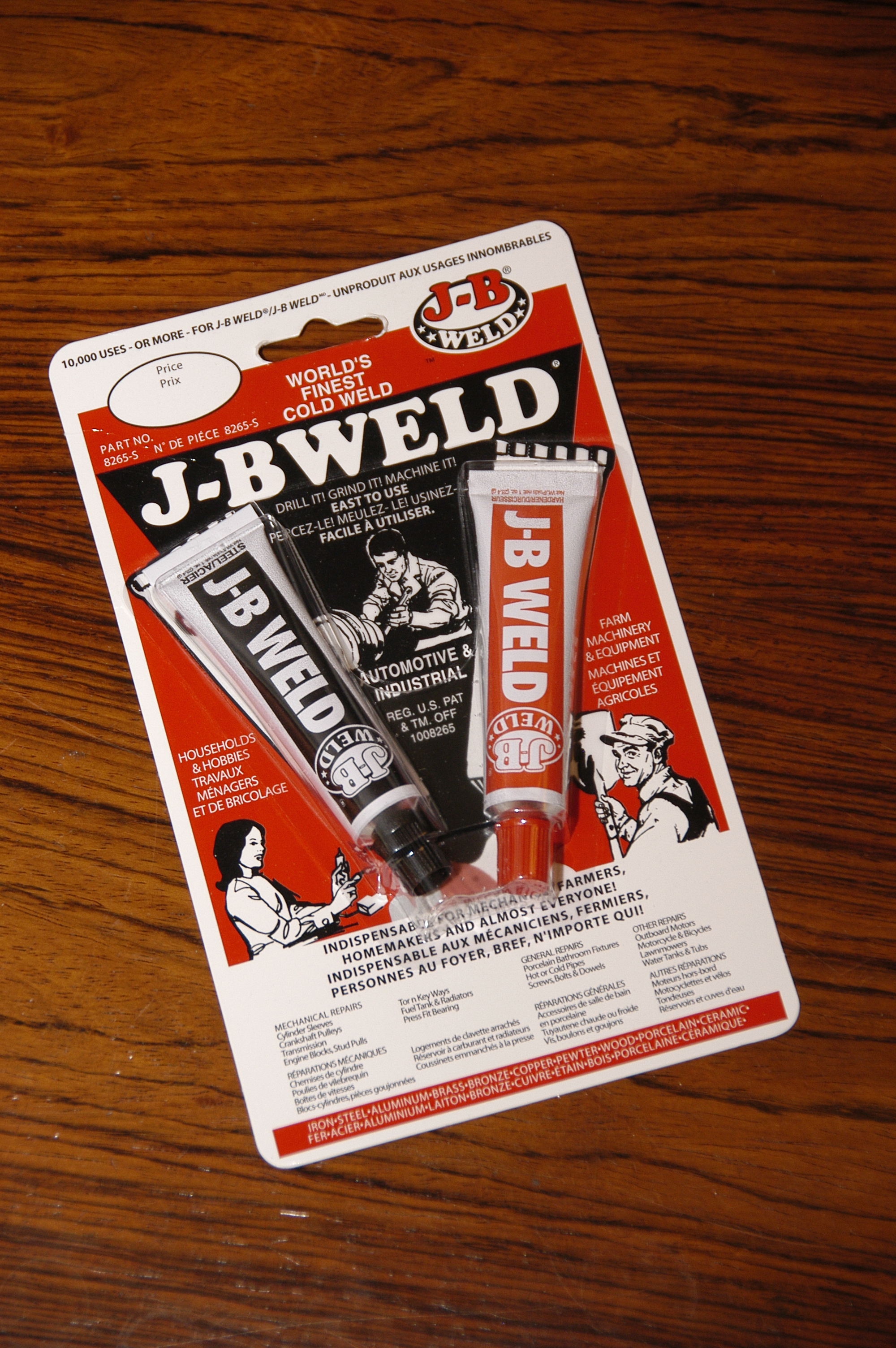
A two-part adhesive, also known as a two-component adhesive or a reactive adhesive, is a system where two distinct chemical components are mixed immediately before application to initiate a chemical reaction that results in a strong, durable bond. Typically, these components consist of a resin and a hardener (or activator). Upon mixing, a chemical process, often polymerization or cross-linking, occurs, transforming the liquid or paste mixture into a solid, cured adhesive. This curing process can be exothermic, releasing heat, and the rate of curing is influenced by factors such as temperature, mixing ratio, and the specific chemistry of the components. The versatility of two-part adhesives stems from their ability to bond a wide array of substrates, including metals, plastics, composites, ceramics, and wood, often creating bonds that are stronger than the substrates themselves. They are widely employed in industries ranging from automotive and aerospace to construction and consumer electronics due to their superior strength, chemical resistance, and environmental durability compared to many single-component adhesives. The precise control over the curing process and the resulting bond properties makes them indispensable for demanding applications where reliability and performance are paramount.
🧪 Chemical Composition and Curing
The fundamental principle behind two-part adhesives lies in their dual-component nature. One part is typically a resin, which forms the backbone of the adhesive, while the other is a hardener or activator that initiates and drives the chemical reaction. This reaction, often a form of polymerization or cross-linking, creates a dense network of molecular bonds, resulting in a rigid and strong solid. The specific chemistry dictates the properties of the cured adhesive, such as its flexibility, tensile strength, shear strength, and resistance to chemicals and temperature extremes. The mixing ratio is critical; deviating from the manufacturer's recommended ratio can lead to incomplete curing, reduced bond strength, and compromised performance. Many two-part systems are designed for a specific pot life, the time available for application after mixing, before the adhesive begins to gel and cure.
⚙️ Types of Two-Part Adhesives
There are several common chemistries employed in two-part adhesives. Epoxies are perhaps the most well-known, offering excellent strength, chemical resistance, and adhesion to a wide range of materials. Polyurethanes provide good flexibility and impact resistance, making them suitable for applications requiring some degree of movement or vibration. Acrylics, particularly methacrylates, cure rapidly and offer good adhesion to plastics and metals, often with minimal surface preparation. Silicones, while often single-component, can also be formulated as two-part systems for enhanced strength and thermal stability. Each type has unique advantages and disadvantages, making the selection dependent on the specific application requirements.
🛠️ Application and Mixing Techniques
Proper mixing is paramount for achieving optimal bond strength and performance. The two components must be thoroughly combined to ensure a uniform reaction throughout the adhesive mass. This can be achieved through manual mixing with a spatula or mixing stick, or more precisely with static mixers, which are disposable nozzles that blend the components as they are dispensed from a dual-cartridge system. The mixing ratio must be adhered to strictly, and any excess material that has begun to cure should be discarded. Inadequate mixing can result in areas of uncured adhesive, leading to weak spots and premature bond failure. The application method will also depend on the viscosity of the mixed adhesive, ranging from brushing and spreading to dispensing via automated equipment.
💪 Substrate Compatibility and Surface Preparation
The ability of a two-part adhesive to form a strong bond is heavily influenced by the substrates being joined and the condition of their surfaces. Most two-part adhesives exhibit excellent adhesion to a variety of materials, including metals, plastics, composites, ceramics, glass, and wood. However, surface preparation is almost always necessary for optimal results. This typically involves cleaning the surfaces to remove grease, oil, dirt, and other contaminants. Abrading or roughening the surface can also improve adhesion by increasing the surface area and providing mechanical interlocking. For certain challenging substrates, such as low-surface-energy plastics, specialized primers may be required to enhance wetting and adhesion.
🌡️ Curing Conditions and Factors
The curing process of two-part adhesives is influenced by several environmental factors. Temperature plays a significant role; higher temperatures generally accelerate the curing reaction, reducing the time needed to achieve handling strength and full cure. Conversely, lower temperatures can significantly slow down or even inhibit the curing process. Humidity can also affect certain chemistries, particularly polyurethanes. The manufacturer's specifications will typically provide recommended temperature ranges for application and curing. Understanding these conditions is crucial for ensuring the adhesive performs as intended and achieves its maximum potential strength and durability.
🏆 Performance Characteristics and Benefits
Two-part adhesives offer a range of superior performance characteristics. They are renowned for their exceptional bond strength, often exceeding the strength of the substrates themselves, making them ideal for structural bonding applications. Many formulations exhibit excellent resistance to chemicals, solvents, water, and environmental factors like UV radiation and extreme temperatures. They can also provide good electrical insulation properties and vibration damping. The ability to cure at room temperature or with mild heat, combined with their high performance, makes them a preferred choice over mechanical fasteners in many scenarios, as they distribute stress more evenly and can reduce weight.
🏭 Industrial Applications
The versatility of two-part adhesives has led to their widespread adoption across numerous industries. In the automotive sector, they are used for bonding body panels, structural components, and interior trim, contributing to vehicle lightweighting and improved crash performance. The aerospace industry relies on them for bonding composite structures, wings, and fuselage sections, where high strength-to-weight ratios and reliability are critical. Construction utilizes them for anchoring, sealing, and bonding various building materials. Consumer electronics, medical devices, and sporting goods also benefit from the strong, durable bonds that two-part adhesives provide, enabling innovative designs and enhanced product longevity.
⚠️ Safety and Handling Precautions
Safety and proper handling are essential when working with two-part adhesives. Many of the uncured components can be irritants or sensitizers, and some may contain hazardous chemicals. It is crucial to read and understand the Safety Data Sheet (SDS) for the specific product being used. Always wear appropriate personal protective equipment (PPE), including gloves, eye protection, and in some cases, respiratory protection, especially in poorly ventilated areas. Ensure good ventilation during application and curing. Avoid skin and eye contact, and if contact occurs, wash thoroughly with soap and water or flush eyes with plenty of water and seek medical attention. Dispose of waste materials responsibly according to local regulations.
Key Facts
- Year
- 1950
- Origin
- Developed in the mid-20th century as advancements in polymer chemistry allowed for the creation of high-performance reactive adhesives.
- Category
- Materials Science & Engineering
- Type
- product
Frequently Asked Questions
What is the difference between a two-part adhesive and a one-part adhesive?
A one-part adhesive typically cures through exposure to air (moisture or oxygen), heat, or UV light. A two-part adhesive requires the mixing of two separate components (resin and hardener) to initiate a chemical reaction that causes it to cure. This mixing process allows for greater control over the curing speed and often results in stronger, more durable bonds.
How do I ensure I mix the two parts correctly?
Always follow the manufacturer's instructions precisely regarding the mixing ratio (e.g., 1:1, 2:1 by volume or weight). Use a clean mixing surface and tool, and mix thoroughly until a uniform color and consistency are achieved. For larger quantities or critical applications, consider using a static mixer or a calibrated dispensing system to ensure accuracy and consistency.
What is 'pot life' and why is it important?
Pot life refers to the amount of time you have to work with the adhesive after the two components have been mixed, before it begins to gel and cure. It's crucial to know the pot life so you can plan your application effectively. If you exceed the pot life, the adhesive may become too thick to apply or may not cure properly, leading to a weak bond.
Can two-part adhesives be used outdoors?
Many two-part adhesives are formulated for excellent outdoor durability, offering resistance to UV radiation, moisture, and temperature fluctuations. However, the specific formulation matters. Always check the product specifications to ensure it is suitable for your intended outdoor application and environmental conditions.
How do I store unused two-part adhesives?
Unmixed two-part adhesives should be stored according to the manufacturer's recommendations, typically in a cool, dry place away from direct sunlight. Once mixed, the remaining material will cure and become unusable. It's best to mix only what you need for the immediate application to avoid waste and ensure optimal performance.