
Contents
Overview
The concept of turning dates back to ancient civilizations, with evidence of primitive lathes used by the Egyptians and Greeks around 1300 BC. The process involved using a bow or strap to rotate the workpiece, while a cutting tool was held stationary to shape the material. As technology advanced, so did the design of lathes, with the introduction of mechanical lathes in the 18th century, such as the Jacquard loom, which paved the way for the development of more complex machinery. Today, turning is a crucial process in various industries, including aerospace, automotive, and medical device manufacturing, often in conjunction with other technologies like 3D printing.
⚙️ How It Works
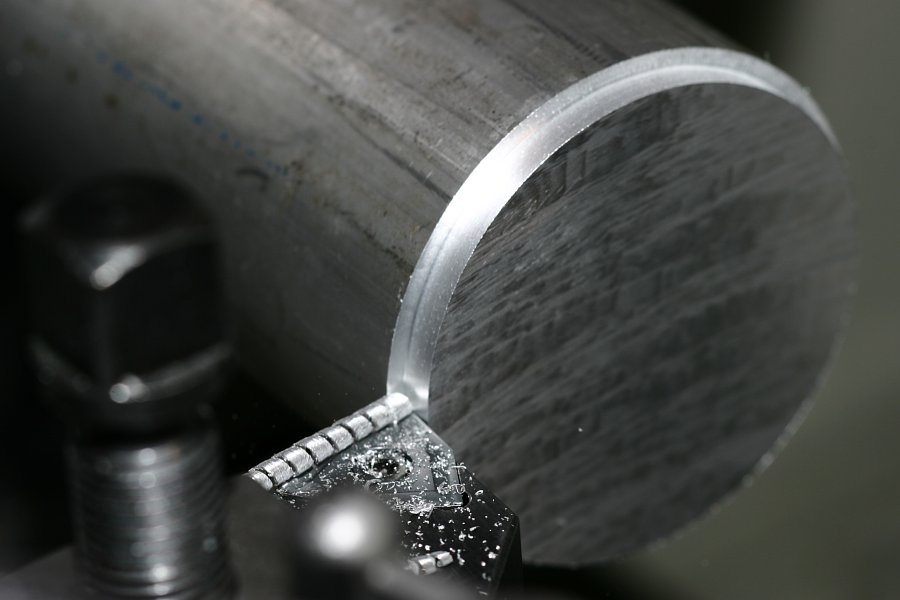
The turning process typically involves a lathe, which can be either manual or computer numerical control (CNC). Manual lathes require an operator to turn cranks to move the cutting tool, whereas CNC lathes use a computer to control electric motors and follow a pre-programmed path. This allows for increased precision and efficiency, enabling the production of complex geometric figures, such as the platonic solids. Companies like Haas Automation and DMG Mori specialize in the development of CNC lathes, which have become essential in modern manufacturing. Additionally, software like SolidWorks and Autodesk Fusion 360 aid in the design and simulation of turning operations.
🌍 Industrial Impact
Turning has a significant impact on various industries, including aerospace, where it is used to manufacture critical components such as engine parts and landing gear. The process is also essential in the automotive industry, where it is used to produce engine blocks, cylinder heads, and other critical components. Furthermore, turning is used in the medical device industry to manufacture implants, surgical instruments, and other medical equipment, often in collaboration with companies like Medtronic and Johnson & Johnson. The precision and accuracy of turning enable the creation of complex shapes and surfaces, which are critical in these industries. As technology continues to advance, the role of turning in these industries will only continue to grow, with the integration of technologies like artificial intelligence and Internet of Things.
🔮 Modern Applications
In modern applications, turning is often combined with other machining processes, such as milling and grinding, to produce complex components. The use of CNC lathes has enabled the production of parts with high precision and accuracy, which is critical in industries such as aerospace and medical devices. Additionally, the development of new materials and technologies, such as carbon fiber and nanotechnology, has expanded the capabilities of turning, enabling the creation of complex shapes and structures. As the demand for precision and accuracy continues to grow, the importance of turning in modern manufacturing will only continue to increase, with companies like Lockheed Martin and Boeing relying on this process to produce critical components.
Key Facts
- Year
- 1300 BC
- Origin
- Ancient civilizations
- Category
- technology
- Type
- technology
Frequently Asked Questions
What is the difference between turning and boring?
Turning is typically used for cutting external surfaces, while boring is used for cutting internal surfaces or holes. The two processes are often used in conjunction with each other to produce complex components, such as engine blocks and cylinder heads, which require both external and internal machining. Companies like General Electric and Caterpillar Inc. rely on these processes to manufacture critical components.
What is the role of CNC lathes in modern turning?
CNC lathes have revolutionized the turning process by enabling the production of complex shapes and surfaces with high precision and accuracy. They use computer-controlled motors to move the cutting tool, allowing for increased efficiency and reduced labor costs. CNC lathes are widely used in various industries, including aerospace, automotive, and medical devices, and are often integrated with other technologies like robotics and computer-aided design.
What are some common applications of turning?
Turning is used in a variety of industries, including aerospace, automotive, and medical devices. It is used to manufacture critical components such as engine parts, landing gear, and implants. The process is also used to produce complex shapes and surfaces, such as those found in aircraft and automotive components, which require high precision and accuracy. Companies like Rolls-Royce and Pratt & Whitney rely on turning to manufacture critical engine components.
How has turning evolved over time?
Turning has evolved significantly over time, from the use of primitive lathes in ancient civilizations to the modern CNC lathes used today. The process has become more precise and efficient, enabling the production of complex shapes and surfaces. The development of new materials and technologies has also expanded the capabilities of turning, allowing for the creation of complex components and structures. As technology continues to advance, the role of turning in modern manufacturing will only continue to grow, with the integration of technologies like additive manufacturing and Industry 4.0.
What are some challenges associated with turning?
One of the main challenges associated with turning is the need for high precision and accuracy. The process requires skilled operators and specialized equipment, which can be expensive and time-consuming to maintain. Additionally, the process can be limited by the size and complexity of the workpiece, which can make it difficult to produce large or complex components. However, advancements in technology, such as the development of CNC lathes and computer-aided manufacturing, have helped to address these challenges and improve the efficiency and accuracy of the turning process.