
Contents
- 🎵 Origins & History
- ⚙️ How It Works
- 📊 Key Facts & Numbers
- 👥 Key People & Organizations
- 🌍 Cultural Impact & Influence
- ⚡ Current State & Latest Developments
- 🤔 Controversies & Debates
- 🔮 Future Outlook & Predictions
- 💡 Practical Applications
- 📚 Related Topics & Deeper Reading
- Frequently Asked Questions
- References
- Related Topics
Overview
The genesis of tropical forests is intrinsically linked to the geological and climatic evolution of Earth, stretching back millions of years to the Mesozoic Era when vast, warm, and humid conditions prevailed. As continents shifted and atmospheric conditions stabilized, distinct tropical zones emerged, providing the stable, warm, and wet environments necessary for the luxuriant growth of dense tree canopies. These ancient forests served as crucibles for evolutionary innovation, giving rise to an astonishing array of plant and animal life that has persisted and diversified over millennia. Early human civilizations, such as those in the Amazon Basin and Southeast Asia, developed intricate relationships with these forests, relying on their resources for sustenance, shelter, and medicine, often developing sophisticated knowledge systems about their ecology, as documented by indigenous communities for generations.
⚙️ How It Works
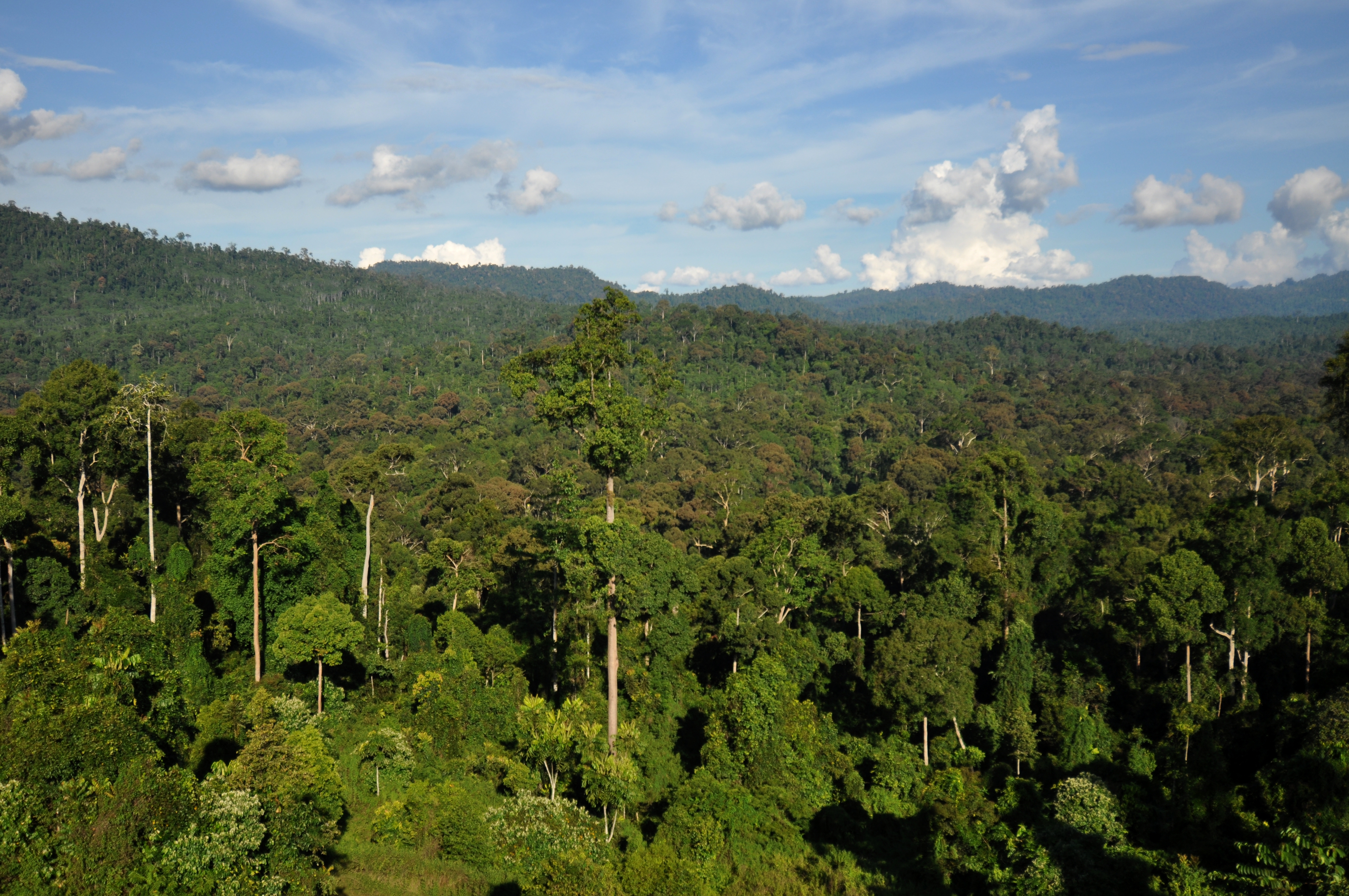
Tropical forests function as complex, self-regulating ecosystems driven by high solar radiation and abundant precipitation, typically exceeding 200 cm (79 inches) annually. The dense canopy intercepts sunlight, creating distinct vertical layers: the emergent layer, the canopy, the understory, and the forest floor, each with unique microclimates and inhabitants. This structure facilitates intense competition for light, driving rapid growth and diverse adaptations. Nutrient cycling is remarkably efficient, with most nutrients locked in the biomass rather than the often-poor soils, rapidly recycled by decomposers like fungi and bacteria. The sheer scale of evapotranspiration from these forests significantly influences regional and global weather patterns, playing a crucial role in the water cycle, as studied by climatologists at institutions like the Max Planck Institute for Meteorology.
📊 Key Facts & Numbers
Tropical forests cover approximately 1.7 billion hectares, representing nearly half of the world's total forest area. The Congo Basin alone boasts the second-largest tropical rainforest, spanning about 3.7 million square kilometers. These ecosystems are biodiversity hotspots, estimated to house between 50% and 80% of all terrestrial species on Earth, despite covering only about 6% of the planet's land surface. The Amazon rainforest, the largest on Earth, contains an estimated 10% of all known species. Tragically, deforestation rates remain alarmingly high; in 2022, primary tropical forests lost approximately 3.7 million hectares, equivalent to an area the size of the Netherlands, according to data from Global Forest Watch.
👥 Key People & Organizations
While no single individual can be credited with 'discovering' tropical forests, numerous scientists, conservationists, and indigenous leaders have dedicated their lives to understanding and protecting them. Pioneers like Alfred Russel Wallace (1823-1913), who independently conceived the theory of evolution by natural selection, conducted extensive fieldwork in the Malay Archipelago, documenting its unique biodiversity. Organizations such as the World Wildlife Fund (WWF) and The Nature Conservancy have been instrumental in establishing protected areas and advocating for sustainable practices. Indigenous communities, such as the Kayapo people of the Amazon, possess invaluable traditional ecological knowledge passed down through generations, representing critical stewards of these lands.
🌍 Cultural Impact & Influence
Tropical forests have profoundly shaped human cultures, inspiring art, literature, and spiritual beliefs across the globe. They are the source of countless medicinal compounds, with a significant percentage of modern pharmaceuticals derived from tropical plants, a fact highlighted by ethnobotanists like Mark Plotkin. The aesthetic grandeur of these ecosystems has been captured by artists and photographers, fostering a global appreciation for their beauty and fragility. Furthermore, their role in regulating climate and providing essential ecosystem services, such as clean air and water, underpins the well-being of billions, making their preservation a matter of global cultural and economic significance, as emphasized by international bodies like the United Nations.
⚡ Current State & Latest Developments
The current state of tropical forests is one of escalating crisis. While deforestation rates have seen some fluctuations, the overall trend remains dire. In 2023, reports indicated a slight decrease in tree cover loss in some regions, yet the underlying drivers—expansion of soybean and palm oil plantations, cattle ranching, illegal logging, and mining—persist. Efforts to combat this include the expansion of protected areas, the implementation of REDD+ (Reducing Emissions from Deforestation and Forest Degradation) initiatives, and the growing adoption of sustainable supply chains by corporations like Unilever and Nestlé. However, these efforts are often outpaced by the relentless pressure of land conversion, particularly in biodiversity-rich areas like Borneo and the Madagascar rainforests.
🤔 Controversies & Debates
The primary controversy surrounding tropical forests centers on the conflict between economic development and conservation. Indigenous land rights are frequently a flashpoint, with accusations of land grabbing and displacement by corporations and governments. The effectiveness and equity of international conservation finance mechanisms, such as REDD+, are also debated, with critics arguing that they often fail to adequately compensate local communities or address the root causes of deforestation. Furthermore, the precise quantification of carbon sequestration and biodiversity value remains a subject of scientific discussion, influencing policy decisions and the perceived urgency of conservation efforts, as seen in debates at COP28.
🔮 Future Outlook & Predictions
The future outlook for tropical forests is precarious, hinging on a global commitment to sustainable land use and aggressive climate action. Projections suggest that without significant intervention, vast swathes of these vital ecosystems could disappear by the end of the century, leading to catastrophic biodiversity loss and accelerated climate change. However, there is growing optimism fueled by technological advancements in monitoring (e.g., satellite imagery from NASA's Landsat program), increased corporate accountability, and the rising influence of climate activism. The potential for large-scale reforestation and restoration projects, coupled with stronger policy enforcement and the empowerment of indigenous guardians, offers a pathway to a more hopeful future, though the window of opportunity is rapidly closing.
💡 Practical Applications
Tropical forests provide a wealth of practical applications and ecosystem services essential to human survival and well-being. They are critical regulators of global climate, absorbing vast amounts of atmospheric CO2 and influencing rainfall patterns far beyond their borders. They are indispensable sources of biodiversity, providing genetic resources for new medicines, crops, and industrial materials. Furthermore, they offer vital ecosystem services such as water purification, soil stabilization, and flood control. For local and indigenous communities, they provide food, shelter, fuel, and cultural identity, forming the bedrock of their livelihoods and traditions, a relationship meticulously documented by anthropologists studying ethnobotanical practices.
Key Facts
- Year
- Mesozoic Era - Present
- Origin
- Tropics of Cancer and Capricorn
- Category
- nature
- Type
- place
Frequently Asked Questions
What distinguishes tropical forests from other forest types?
Tropical forests are defined by their location within the tropics and their consistently warm temperatures and high rainfall, typically exceeding 200 cm annually. This climate fosters dense, multi-layered vegetation and an unparalleled concentration of biodiversity, unlike temperate or boreal forests which experience distinct seasonal changes and generally lower species richness. The intricate canopy structure and rapid nutrient cycling are also hallmarks of tropical forest ecosystems, as studied by ecologists like E.O. Wilson.
Why are tropical forests so important for the global climate?
Tropical forests act as massive carbon sinks, absorbing billions of tons of atmospheric CO2 through photosynthesis, thereby mitigating global warming. Their extensive evapotranspiration also plays a critical role in regulating regional and global weather patterns, influencing rainfall and temperature far beyond their geographical boundaries. The loss of these forests, as documented by organizations like the IPCC, directly contributes to climate change by releasing stored carbon and disrupting hydrological cycles.
What are the main threats facing tropical forests today?
The primary threats are driven by human activities, most notably deforestation for agricultural expansion, particularly for soybean and palm oil cultivation, as well as cattle ranching. Logging, both legal and illegal, mining operations, and infrastructure development (roads, dams) also contribute significantly to habitat destruction and fragmentation. Climate change itself, leading to increased frequency of droughts and fires, further exacerbates these pressures, as observed in regions like the Amazon Basin.
How much biodiversity is found in tropical forests?
Tropical forests are the planet's most significant biodiversity hotspots, estimated to harbor between 50% and 80% of all terrestrial species, despite covering only about 6% of Earth's land surface. This includes millions of species of insects, plants, birds, mammals, and amphibians, many of which are endemic and found nowhere else. For example, the Madagascar rainforests are home to numerous unique species, including many types of lemurs, a testament to the evolutionary isolation and specialized conditions found in these forests.
What is the economic value of tropical forests?
The economic value of tropical forests is immense, encompassing direct resource extraction (timber, non-timber forest products) and crucial ecosystem services. These services include climate regulation (carbon sequestration valued in trillions of dollars), water purification, pollination, and soil formation. They are also invaluable sources for pharmaceuticals, with a significant percentage of modern drugs originating from tropical plants, a field explored by ethnobotanists like Stephen Harley-Jones. The tourism potential of these vibrant ecosystems also represents a substantial economic asset.
Can tropical forests be restored after deforestation?
Restoration of tropical forests is possible but challenging and time-consuming. While some level of ecological recovery can occur naturally over decades or centuries, active restoration efforts are often necessary to accelerate the process and re-establish complex ecological functions. These efforts can include reforestation with native species, assisted natural regeneration, and landscape-level planning. Organizations like the World Resources Institute are actively involved in promoting and implementing large-scale restoration projects, though the success depends heavily on addressing the underlying drivers of deforestation.
What role do indigenous communities play in tropical forest conservation?
Indigenous communities are often the most effective guardians of tropical forests, possessing deep traditional ecological knowledge and a vested interest in their long-term health. Their land management practices have historically maintained biodiversity and ecosystem integrity. Empowering indigenous peoples with secure land tenure and supporting their conservation initiatives, such as those championed by the Amazon Watch organization, is increasingly recognized as a critical strategy for preventing deforestation and preserving these vital ecosystems. Their role is crucial in maintaining the cultural and biological heritage of these regions.