
Contents
- 🎵 Origins & History
- ⚙️ How It Works
- 📊 Key Facts & Numbers
- 👥 Key People & Organizations
- 🌍 Cultural Impact & Influence
- ⚡ Current State & Latest Developments
- 🤔 Controversies & Debates
- 🔮 Future Outlook & Predictions
- 💡 Practical Applications
- 📚 Related Topics & Deeper Reading
- Frequently Asked Questions
- References
- Related Topics
Overview
The origins of tea cultivation are as ancient and shrouded as the beverage itself, with evidence pointing to its domestication in the mountainous regions straddling southwestern China, northeastern India, and northern Myanmar. Archaeological findings suggest early use of tea leaves as a medicinal herb, with systematic cultivation likely beginning in China's Yunnan Province around the Shang Dynasty (c. 1600–1046 BCE). Early cultivation methods were likely rudimentary, focusing on wild bushes. The Tang Dynasty (618–907 CE) saw tea drinking evolve into a widespread cultural practice, spurring more organized farming. By the Song Dynasty (960–1279 CE), sophisticated techniques for growing and processing tea, including the production of compressed tea cakes, were well-established. The spread of tea cultivation beyond China began in earnest with the Dutch East India Company introducing tea plants to Java in the 17th century, and the British establishing vast plantations in India and Ceylon (now Sri Lanka) in the 19th century, fundamentally altering the global tea landscape.
⚙️ How It Works
Tea cultivation hinges on the specific needs of the Camellia sinensis plant, which thrives in acidic soil, high humidity, and consistent rainfall, typically between 1,000 and 2,000 meters above sea level. The process begins with selecting appropriate cultivars, often propagated through cuttings or seeds, and planting them in carefully prepared fields, known as tea gardens or estates. Pruning is a critical ongoing practice, shaping the bushes into manageable plucking surfaces and encouraging the growth of tender young leaves and buds, known as 'flushes'. Harvesting, or 'plucking', is a labor-intensive process, often done by hand to ensure only the desired leaves are collected. The timing and frequency of plucking are dictated by the tea type and season, with different flushes yielding distinct flavor profiles. Post-plucking, the leaves undergo various processing methods—withering, oxidation, firing—which are distinct from cultivation but directly influenced by the quality of the harvested leaf.
📊 Key Facts & Numbers
Globally, the tea industry is a colossal enterprise, with annual production exceeding 6 million metric tons, according to the FAOSTAT in 2022. China remains the largest producer, accounting for approximately 40% of global output, followed by India (around 23%), Kenya (around 5%), and Sri Lanka (around 4%). The average yield per hectare can vary dramatically, from less than 500 kg in some regions to over 3,000 kg in highly intensive estates. The economic value of the global tea market was estimated at over $60 billion USD in 2023 and is projected to grow. Over 1.5 million hectares worldwide are dedicated to tea cultivation, supporting the livelihoods of millions of smallholder farmers and plantation workers, many of whom operate on less than 2 hectares of land.
👥 Key People & Organizations
While tea cultivation is a collective endeavor spanning millennia and continents, certain individuals and organizations have profoundly shaped its modern practice. Sir Robert Fortune, a Scottish botanist, is credited with smuggling tea plants and seeds out of China to India in the mid-19th century, a move that catalyzed the British tea industry in Assam and Darjeeling. The Tea Research Institute of Sri Lanka (TRIS) and the United Planters' Association of Southern India (UPASI) have been instrumental in advancing research in agronomy, pest control, and breeding for improved yields and disease resistance. Today, organizations like the Ethical Tea Partnership work to improve sustainability and social welfare on tea estates globally, while companies like Unilever (owner of brands like Lipton) and Associated British Foods (owner of Twinings) are major purchasers and influencers of cultivation standards.
🌍 Cultural Impact & Influence
Tea cultivation is not merely an agricultural practice; it's a cornerstone of cultural identity and economic development for numerous nations. The meticulous care taken in growing tea directly translates into the diverse sensory experiences enjoyed by billions worldwide, from the grassy notes of a Japanese Sencha to the malty richness of an Assam black tea. The establishment of large-scale tea plantations, particularly by colonial powers in India and Sri Lanka, fundamentally reshaped landscapes and societies, leading to the development of distinct 'tea cultures' and economies. The global demand for tea has driven innovation in cultivation techniques, influencing agricultural practices far beyond the tea fields themselves. Furthermore, the visual aesthetic of rolling tea hills, such as those in Uji or the Nilgiri Mountains, has become iconic, inspiring art, literature, and tourism.
⚡ Current State & Latest Developments
The contemporary tea cultivation landscape is characterized by a dual focus on increasing yields and enhancing sustainability. Advanced agricultural technologies, including drone-based monitoring for pest detection and precision irrigation systems, are being adopted by larger estates. Simultaneously, there's a growing movement towards organic and biodynamic farming practices, driven by consumer demand for healthier and more environmentally friendly products. Smallholder farmers, who produce a significant portion of the world's tea, are increasingly organized into cooperatives to access better markets and share knowledge on sustainable methods. The impact of climate change, with unpredictable weather patterns and rising temperatures, poses a significant challenge, prompting research into climate-resilient tea varieties and adaptive farming strategies. The rise of single-origin and specialty teas has also led to a renewed emphasis on terroir and unique cultivation practices in specific microclimates.
🤔 Controversies & Debates
Tea cultivation is not without its controversies and debates. The intensive labor required for harvesting often leads to concerns about worker welfare, fair wages, and working conditions, particularly in regions with weak labor protections. The widespread use of pesticides and fertilizers in conventional farming raises environmental questions regarding soil degradation, water pollution, and biodiversity loss. The historical legacy of colonial plantation systems continues to be debated, with ongoing discussions about land rights and equitable distribution of profits. Furthermore, the authenticity and origin of 'specialty' teas are sometimes questioned, leading to debates about labeling standards and fair trade practices. The push for higher yields can also lead to monoculture farming, reducing biodiversity and increasing vulnerability to pests and diseases, a point of contention between large-scale producers and proponents of more diverse agricultural systems.
🔮 Future Outlook & Predictions
The future of tea cultivation is likely to be shaped by technological innovation and the escalating pressures of climate change. Expect to see greater adoption of AI in farm management, optimizing irrigation, fertilization, and pest control with unprecedented precision. Genetic engineering and advanced breeding techniques will likely yield new tea varietals that are more resistant to drought, heat, and disease, crucial for adapting to a changing climate. The demand for traceable, ethically produced, and single-origin teas will continue to grow, pushing for greater transparency in supply chains. We may also witness a resurgence of interest in traditional, low-intervention cultivation methods, particularly in niche markets seeking authenticity. The challenge will be balancing these advancements with the need to ensure equitable benefits for smallholder farmers and preserve the ecological integrity of tea-growing regions.
💡 Practical Applications
The primary application of tea cultivation is, of course, the production of the beverage tea itself. However, the Camellia sinensis plant offers more. Its leaves are rich in antioxidants and polyphenols, leading to applications in the cosmetics industry for skincare products, valued for their anti-inflammatory and anti-aging properties. Extracts are also used in nutraceuticals and dietary supplements due to their purported health benefits, such as aiding metabolism and improving cognitive function. Furthermore, tea seed oil, extracted from the seeds of the plant, is used in cooking and as a moisturizer. The woody stems and pruned leaves can be composted, contributing to soil health, or even used as biomass fuel in some regions, demonstrating a circular economy approach within the tea industry.
Key Facts
- Year
- c. 1600 BCE - Present
- Origin
- Southwestern China, Northeastern India, Northern Myanmar
- Category
- nature
- Type
- concept
Frequently Asked Questions
What are the ideal environmental conditions for growing tea?
Tea plants, specifically Camellia sinensis, thrive in acidic soil with a pH between 5.0 and 6.0. They require high humidity, consistent rainfall (ideally 1,000-1,500 mm annually), and moderate temperatures, typically between 15-25°C (59-77°F). High altitudes, often between 1,000 and 2,000 meters, are also favored as they slow the growth of the tea leaves, concentrating their flavor and aroma compounds, and can offer protection against certain pests.
How does cultivation affect the type of tea produced?
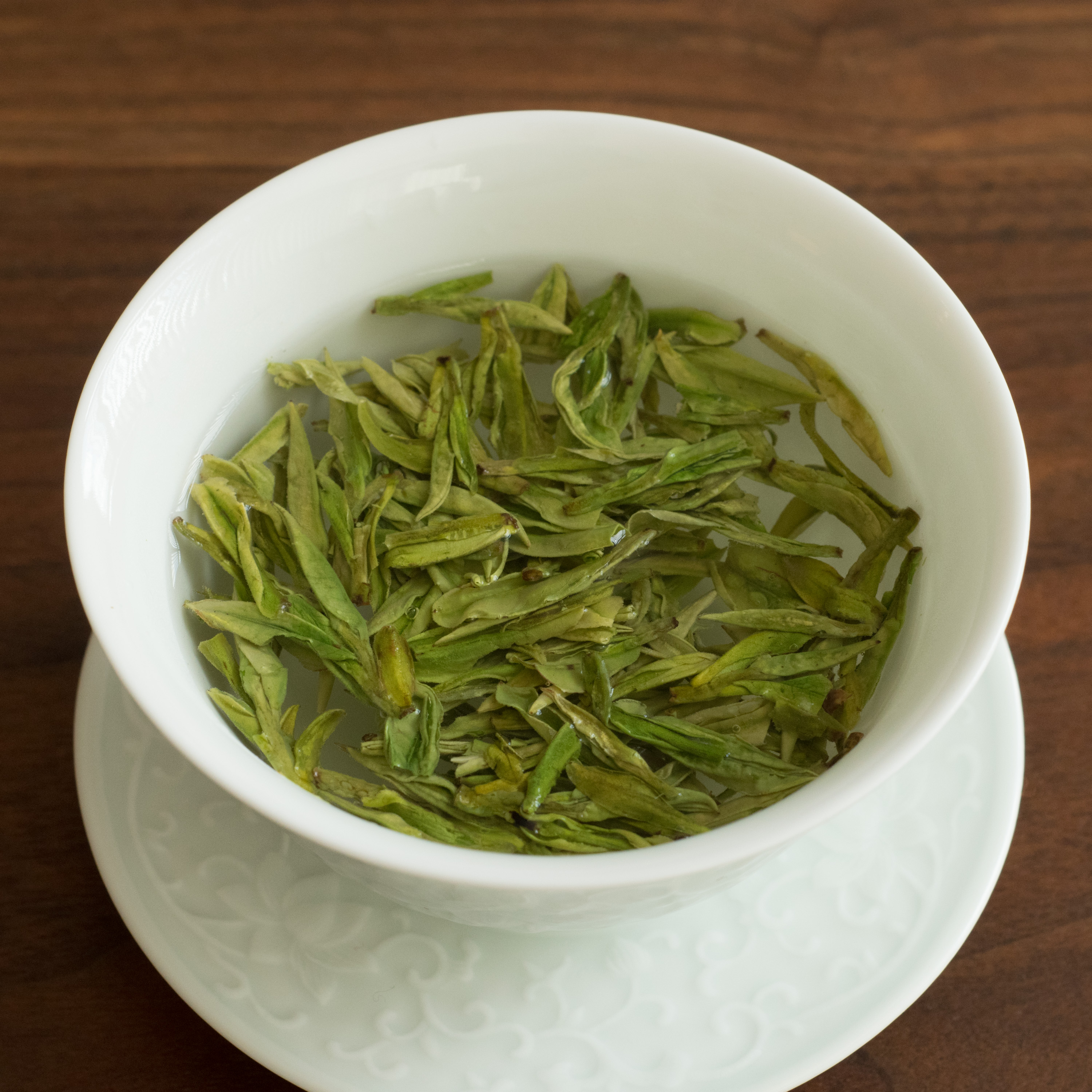
Cultivation practices directly influence the final tea type. The specific cultivar of Camellia sinensis used, the altitude and climate of the growing region (terroir), and the timing of the harvest (e.g., first flush, second flush) all contribute to the leaf's chemical composition. For instance, leaves harvested in cooler, higher altitudes often yield more delicate flavors suitable for white tea or green tea, while those from warmer, lower regions might be processed into robust black tea. The meticulousness of plucking—whether only buds or young leaves are taken—is also paramount.
What are the main challenges facing tea cultivation today?
The primary challenges include the impacts of climate change, such as unpredictable rainfall patterns, increased temperatures, and more frequent extreme weather events, which can devastate crops. Labor shortages and the need for fair wages for tea pluckers remain significant socio-economic issues. Furthermore, the increasing demand for sustainable and organic practices requires investment and adaptation from farmers, while competition from lower-cost producers and market volatility add economic pressures. Pests and diseases also pose a constant threat, requiring vigilant management.
Who were the key figures in spreading tea cultivation globally?
Sir Robert Fortune, a Scottish botanist, played a pivotal role in the mid-19th century by smuggling tea plants and seeds from China to India, enabling the British to establish their own tea industry in Assam and Darjeeling. Later, agricultural scientists and researchers at institutions like the Tea Research Institute of Sri Lanka and the United Planters' Association of Southern India (UPASI) developed improved cultivars and cultivation techniques, further standardizing and expanding global production.
What is the difference between a tea garden and a tea estate?
While often used interchangeably, 'tea garden' can refer to any plot of land where tea is grown, including smallholder farms. 'Tea estate,' however, typically denotes a larger, more organized, and often commercially managed plantation. Estates usually have their own processing facilities on-site and are characterized by systematic planting, pruning, and harvesting schedules, often employing a significant workforce. The term implies a more industrial scale of operation compared to a small 'garden'.
How can I identify teas grown using sustainable methods?
Look for certifications such as USDA Organic, Rainforest Alliance, Fairtrade, or Biodynamic on the packaging. These labels indicate that the tea has been grown according to specific environmental and social standards. Additionally, some brands provide detailed information about their sourcing and farming practices on their websites, offering transparency about their commitment to sustainability beyond formal certifications.
What is the future outlook for tea cultivation in the face of climate change?
The future outlook is one of adaptation and innovation. Researchers are developing climate-resilient tea varietals that can withstand higher temperatures and erratic rainfall. Precision agriculture techniques, utilizing drones and IoT sensors, will help optimize resource use. There's also a growing trend towards diversification of crops on tea estates to build resilience. However, significant challenges remain, and regions heavily reliant on tea may face severe economic and social disruption if adaptation strategies are not effectively implemented and supported globally.