
Contents
Overview
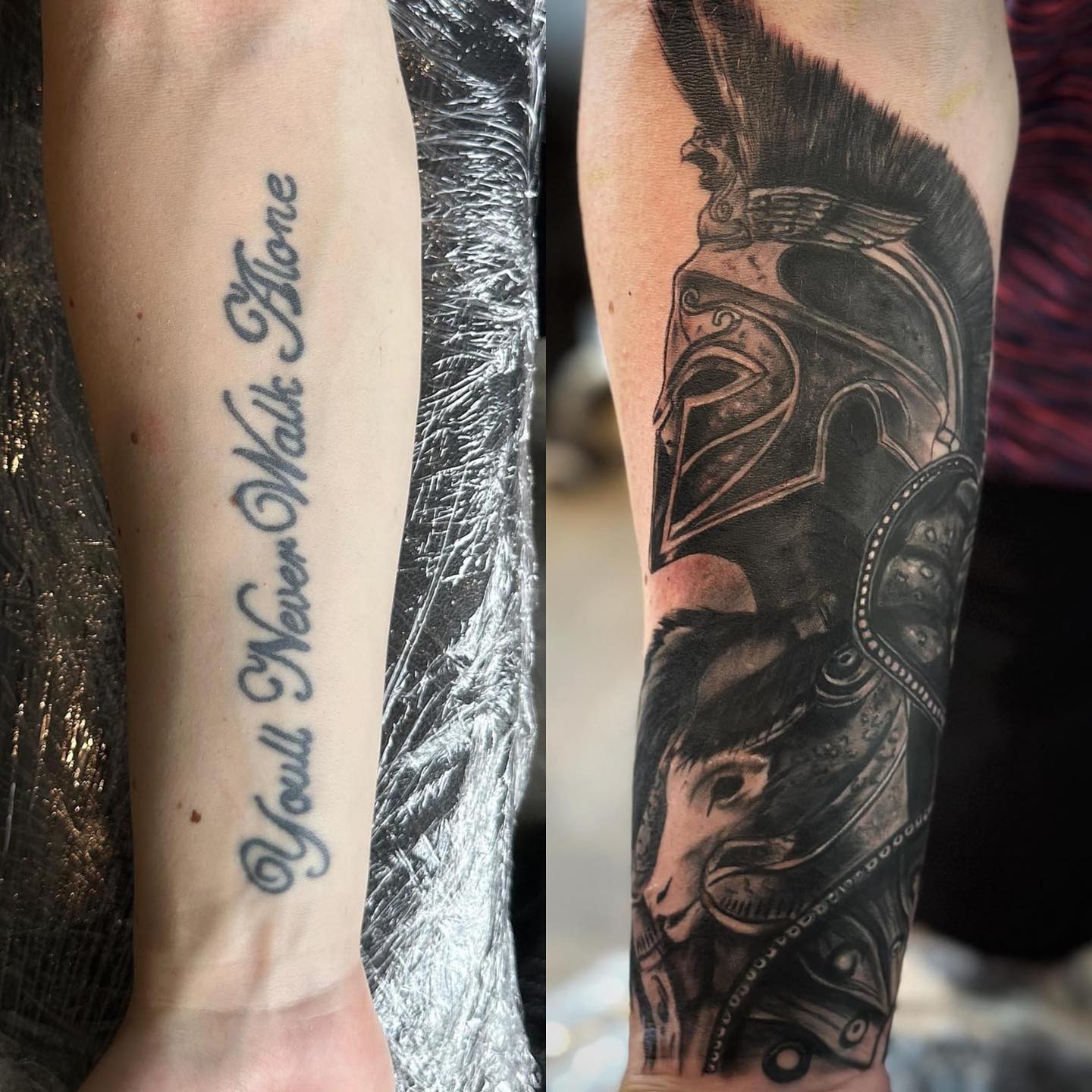
The practice of tattooing over existing marks addresses a spectrum of needs, from aesthetic dissatisfaction with old designs to concealing the remnants of nonconsensual markings or self-harm. Unlike tattoo removal, which aims to erase ink entirely, cover-ups leverage artistic skill to integrate or obliterate the past with new imagery. The process demands a deep understanding of color theory, design principles, and the technical challenges of working with compromised skin. Globally, tattoo artists specializing in cover-ups are highly sought after, with demand driven by evolving personal tastes, the desire to reclaim one's body, and the increasing acceptance of tattoos as a form of personal expression and healing.
🎵 Origins & History
The concept of altering existing body art to create new meaning is as old as tattooing itself. Indigenous cultures worldwide have long practiced tattooing as a ritualistic and transformative art form, often layering new designs over older ones to signify new life stages, achievements, or spiritual connections. The modern tattoo cover-up, however, gained prominence with the rise of Western tattooing and the increasing prevalence of tattoos as personal adornment rather than solely tribal or ceremonial markings.
⚙️ How It Works
A successful tattoo cover-up hinges on strategic design and execution. Artists often employ dark, saturated colors like black, deep blues, and purples, or utilize bold linework and intricate patterns to create visual distraction and camouflage the underlying ink. Color theory plays a crucial role; for instance, warm colors can be used to neutralize cool tones in the old tattoo, and vice versa. Techniques like 'blast-overs,' where a new, often bolder tattoo is directly tattooed over an existing one, are common.
📊 Key Facts & Numbers
The market for tattoo cover-ups is substantial. The demand is so high that some artists report over 70% of their clientele are seeking cover-ups.
👥 Key People & Organizations
Tattoo cover-ups have profoundly impacted how individuals view and interact with their body art, shifting the narrative from permanent regret to an opportunity for reinvention. They have become a powerful tool for personal reclamation, particularly for survivors of abuse or those with tattoos related to past trauma, allowing them to overwrite painful memories with empowering imagery. The artistry involved in a successful cover-up often being celebrated in tattoo magazines and online galleries. The demand for skilled cover-up artists has elevated the perceived value and technical skill within the tattooing profession. The cultural acceptance of tattoos has been bolstered by the visible success of cover-ups in transforming 'bad' tattoos into desirable art.
🌍 Cultural Impact & Influence
The current landscape of tattoo cover-ups is marked by increasing specialization. Online consultations and digital design tools are becoming standard, allowing artists to meticulously plan complex cover-ups remotely. The rise of social media has also led to a surge in 'cover-up reveals,' creating viral content and further driving demand.
⚡ Current State & Latest Developments
The debate between cover-up versus removal remains a constant discussion point among clients and professionals.
🤔 Controversies & Debates
The future of tattoo cover-ups likely involves further integration with advanced tattoo removal technologies. We can anticipate the development of specialized inks designed for superior coverage and easier removal if needed in the future. AI-powered design tools may assist artists in generating optimal cover-up designs by analyzing the existing tattoo's color, size, and placement. Furthermore, as tattoo removal becomes more accessible and effective, the line between 'cover-up' and 'removal-then-rework' may blur, offering clients more comprehensive options. The demand for highly skilled cover-up artists is expected to remain strong, potentially leading to more formal training programs and certifications specifically for this niche within the tattooing industry.
🔮 Future Outlook & Predictions
Tattoo cover-ups have a direct and significant practical application for individuals seeking to alter or remove unwanted body art without the commitment or cost of complete removal. This includes transforming old tattoos that represent past relationships, regrettable decisions, or outdated aesthetics. They are also widely used to conceal scars resulting from surgery, accidents, or self-harm, offering a form of aesthetic rehabilitation and personal empowerment. For individuals with tattoos associated with gangs or hate groups, cover-ups provide a means to visually distance themselves from their past. The practice is also employed in paramedical tattooing, where decorative designs can mask skin conditions or reconstructive surgery sites, such as post-mastectomy areola reconstruction.
💡 Practical Applications
The art of tattoo cover-ups is intrinsically linked to the broader fields of tattoo art and body modification. Understanding the principles of color theory is crucial, as is knowledge of skin anatomy and healing processes. Related concepts include tattoo removal (specifically laser tattoo removal), which offers an alternative or complementary approach, and paramedical tattooing, w
Key Facts
- Category
- aesthetics
- Type
- topic