
Contents
Overview
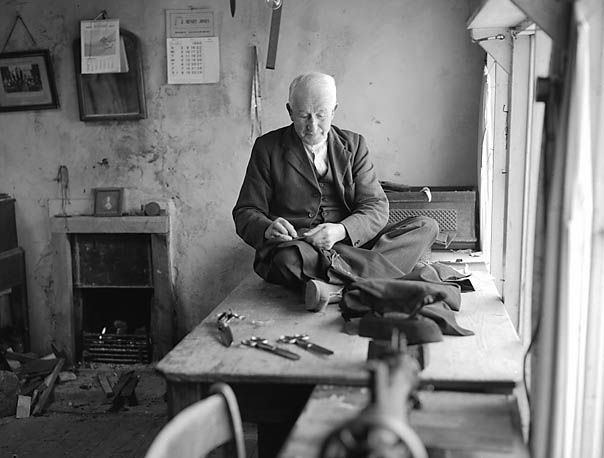
The art of tailoring, as we understand it today, emerged from centuries of sartorial evolution, with its roots tracing back to ancient civilizations that draped fabrics for both function and status. The formalization of tailoring as a distinct trade gained significant momentum during the late Middle Ages and the Renaissance. Wool fabrics are a staple in tailoring due to their resilience and drape, laying the groundwork for enduring legacies. Tailoring involves transforming flat fabric into a three-dimensional garment that conforms to the body. This begins with pattern drafting, where precise measurements are translated into paper templates. The fabric is then carefully laid out and cut according to these patterns, a process demanding absolute accuracy. Basting stitches temporarily hold the cut pieces together, allowing for fittings where the tailor assesses the garment's drape and fit on the client. Adjustments are made, and the garment is then sewn, often with a combination of machine and extensive hand-stitching for seams, linings, and structural elements like canvas interfacings. Pressing with specialized irons and boards is crucial at every stage to set seams and shape the fabric, ensuring a clean, sharp finish that defines the garment's silhouette.
⚙️ How It Works
At its core, tailoring involves transforming flat fabric into a three-dimensional garment that conforms to the body. This begins with pattern drafting, where precise measurements are translated into paper templates. The fabric is then carefully laid out and cut according to these patterns, a process demanding absolute accuracy. Basting stitches temporarily hold the cut pieces together, allowing for fittings where the tailor assesses the garment's drape and fit on the client. Adjustments are made, and the garment is then sewn, often with a combination of machine and extensive hand-stitching for seams, linings, and structural elements like canvas interfacings. Pressing with specialized irons and boards is crucial at every stage to set seams and shape the fabric, ensuring a clean, sharp finish that defines the garment's silhouette.
📊 Key Facts & Numbers
The global bespoke tailoring market was valued at approximately $6.2 billion in 2022 and is projected to grow at a CAGR of 5.1% from 2023 to 2030. A single bespoke suit can involve over 50 hours of labor, with hand-stitching accounting for as much as 70% of the construction in high-end garments. The average cost of a bespoke suit from a renowned tailor can range from $3,000 to $10,000 or more. The industry supports an estimated 10,000-15,000 bespoke tailors globally, with a significant concentration in London and Naples. The average lifespan of a well-made tailored garment, with proper care, can exceed 20 years, far surpassing that of fast-fashion apparel.
👥 Key People & Organizations
While many individual tailors have achieved legendary status, the collective body of work from establishments like Savile Row in London and the Neapolitan tailoring houses represents the pinnacle of the craft. Figures such as Henry Poole of Savile Row, credited with creating the first dinner jacket for Edward VII in 1865, and Domenico Caraceni, a titan of Italian tailoring, are foundational. Contemporary masters like Angelo Litrico, who dressed Elvis Presley, and Chester Barrie continue to uphold and innovate within the tradition. Organizations like the Merchant Taylors' Company and the Savile Row Bespoke Association play vital roles in preserving standards and promoting the craft.
🌍 Cultural Impact & Influence
Tailoring techniques have profoundly shaped Western formal wear, establishing the suit as a universal symbol of professionalism and elegance for over a century. The precise fit and silhouette achieved through tailoring have influenced fashion trends beyond menswear, impacting the design of women's suits and power dressing in the late 20th century. The aesthetic of sharp lines, structured shoulders, and impeccable drape, perfected by tailors, has permeated casual wear, with designers often referencing tailored elements in contemporary collections. The very concept of a 'perfect fit' in clothing is largely a product of the tailoring tradition, setting a high bar for garment construction across the industry.
⚡ Current State & Latest Developments
In the 21st century, tailoring is experiencing a renaissance, driven by a renewed appreciation for craftsmanship and sustainability. While traditional bespoke remains a niche market, made-to-measure services are expanding, leveraging digital tools for measurements and design. Advances in 3D body scanning technology are beginning to revolutionize the precision of measurements, potentially democratizing access to a near-bespoke fit. Furthermore, there's a growing movement to revive hand-tailoring skills, with younger generations of tailors emerging, often blending classic techniques with modern aesthetics and sustainable fabric choices. The rise of online tailoring platforms also signals a shift, though the tactile experience of fitting remains a core differentiator.
🤔 Controversies & Debates
The perceived exclusivity and cost of bespoke garments is a controversy, leading to debates about accessibility and elitism. Critics argue that the high price point, often running into thousands of dollars, places true tailoring out of reach for the majority of consumers, fostering a class divide in fashion. Conversely, proponents emphasize that the longevity, quality, and personalized fit justify the investment, framing it as a sustainable alternative to disposable fast fashion. Another debate revolves around the definition of 'true' tailoring versus 'made-to-measure' or 'custom' clothing, with purists insisting on specific hand-sewing techniques and construction methods as essential differentiators.
🔮 Future Outlook & Predictions
The future of tailoring likely involves a sophisticated integration of digital and artisanal approaches. Expect further advancements in AI-driven pattern generation and virtual fitting rooms that offer hyper-accurate simulations. The sustainability aspect will become even more critical, with tailors increasingly sourcing eco-friendly fabrics and employing zero-waste cutting techniques. We might see a rise in 'micro-factories' that combine skilled artisans with localized, on-demand production. The challenge will be to maintain the soul of handcraft and personalized service while scaling operations to meet evolving consumer demands and technological capabilities, potentially creating a new hybrid model of tailoring.
💡 Practical Applications
Tailoring techniques are not confined to bespoke suits; their principles are applied across various garment types. For instance, the techniques for creating a structured shoulder line are crucial in designing blazers and women's jackets. The understanding of fabric drape and seam manipulation is essential in crafting evening gowns and couture dresses. Even in more casual apparel, elements like precise pocket placement, clean hems, and well-set sleeves are direct descendants of tailoring principles. Furthermore, the alteration services offered by many tailors, from hemming trousers to taking in waistbands, are practical applications of these core skills, extending the life and improving the fit of existing wardrobes.
Key Facts
- Category
- aesthetics
- Type
- concept