
Contents
- 🌻 Origins & History
- ⚙️ How It Works
- 📊 Key Facts & Numbers
- 👥 Key People & Organizations
- 🌍 Cultural Impact & Influence
- ⚡ Current State & Latest Developments
- 🤔 Controversies & Debates
- 🔮 Future Outlook & Predictions
- 💡 Practical Applications
- 📚 Related Topics & Deeper Reading
- Frequently Asked Questions
- References
- Related Topics
Overview
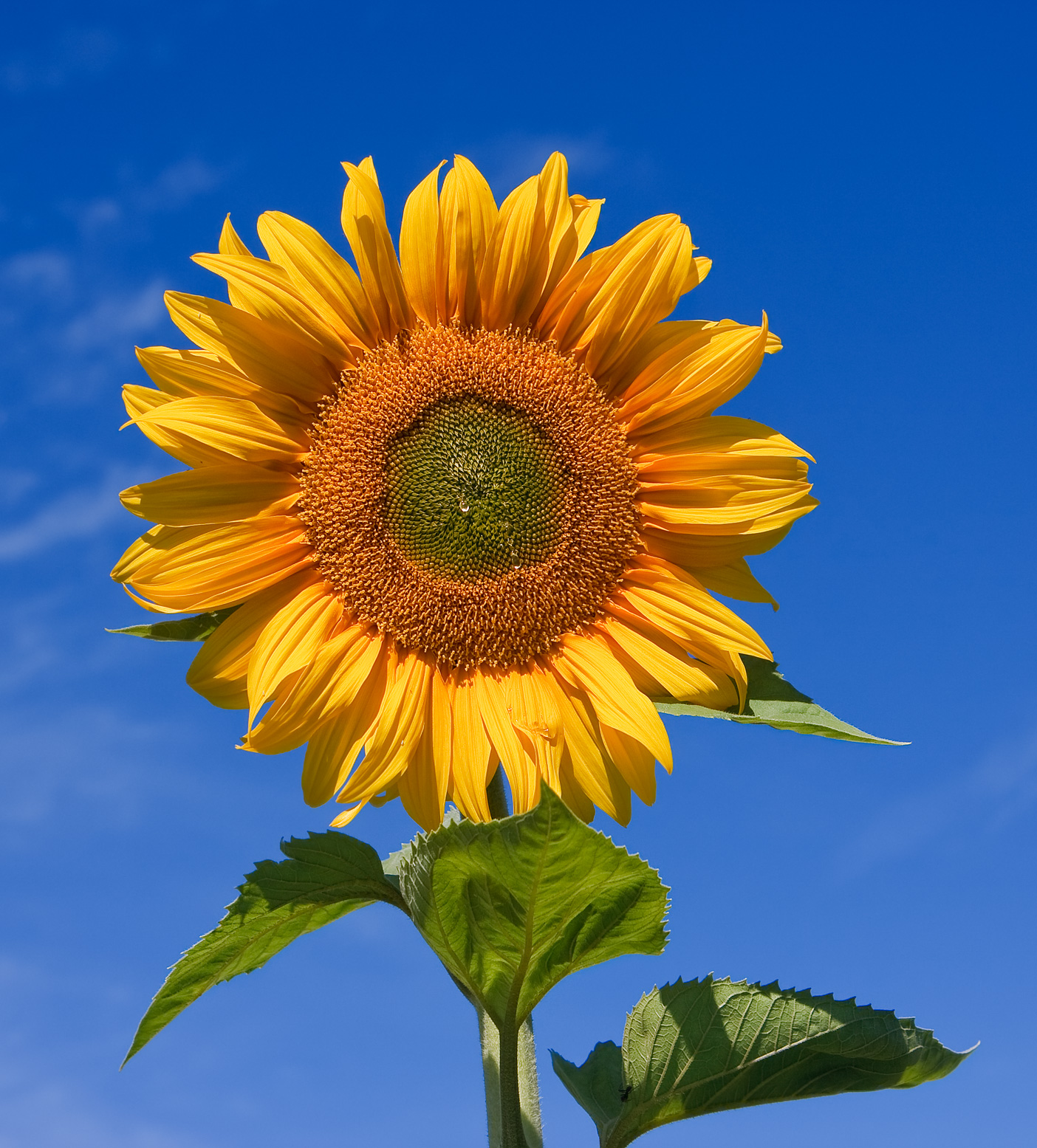
Sunflowers, belonging to the Helianthus genus, are a group of approximately 70 species of annual and perennial flowering plants native to North America and Central America, with the exception of three species found in South America. The most widely recognized species, Helianthus annuus, or the common sunflower, is cultivated for its edible seeds, as a food source for livestock, and as an ornamental plant in gardens. Sunflowers have become an integral part of human culture, symbolizing warmth, happiness, and longevity. With their ability to grow in a variety of conditions and their rapid growth rate, sunflowers have been a subject of interest for botanists, farmers, and gardeners alike. The genus includes both annual and perennial species, with some perennials, like the whorled sunflower, being listed as endangered due to habitat loss and other environmental factors. Sunflowers have also played a significant role in the development of agricultural practices, particularly in the production of sunflower oil, which is used in cooking and as a biofuel. Furthermore, sunflowers have been a source of inspiration for artists, with their unique and striking appearance being depicted in numerous works of art throughout history. As of 2023, research into sunflowers continues, focusing on their potential for biofuel production, their role in pollination, and their genetic diversity, with scientists like Dr. Katherine Escobar leading the way in sunflower genetics at institutions like the University of California. With their rich history, cultural significance, and ongoing research, sunflowers remain a fascinating and important part of our natural world.
🌻 Origins & History
The history of sunflowers dates back thousands of years, with evidence of their cultivation found in ancient Mesoamerican civilizations. The common sunflower, Helianthus annuus, is believed to have been domesticated around 3000 BCE. Sunflowers were not only a food source but also held spiritual significance, often associated with the sun and fertility. The introduction of sunflowers to Europe by Spanish explorers in the 16th century marked the beginning of their global spread. Today, sunflowers are grown in many parts of the world, with major producers including Russia, China, and the United States.
⚙️ How It Works
Sunflowers are known for their unique growth pattern, characterized by their ability to follow the sun's movement, a process known as heliotropism. This is made possible by the plant's internal clock and its ability to adjust its growth in response to sunlight. The structure of a sunflower includes large petals on the outside and hundreds of tiny flowers in the center, which produce the seeds. Sunflowers can grow to varying heights, from a few feet to over 12 feet tall, depending on the species and growing conditions. For example, the Mammoth Sunflower can grow up to 18 feet tall, making it one of the tallest sunflower varieties.
📊 Key Facts & Numbers
Key facts about sunflowers include their classification within the daisy family (Asteraceae), with approximately 70 species within the Helianthus genus. The common sunflower can produce up to 1,000 seeds per head, with the seeds being a rich source of healthy fats, protein, and fiber. Sunflowers are also a valuable source of sunflower oil, which is used in cooking and as a biofuel. In terms of numbers, the global sunflower seed market was valued at over $4 billion in 2020, with the market expected to grow at a CAGR of 5% from 2020 to 2025. Additionally, sunflowers are a popular choice for gardens, with over 2 million sunflower seeds being sold in the United States alone each year.
👥 Key People & Organizations
Key people involved in the study and cultivation of sunflowers include botanists like Carl Linnaeus, who first classified the genus Helianthus, and modern-day researchers like Dr. Katherine Escobar, who is leading studies on sunflower genetics at the University of California. Organizations such as the National Sunflower Association in the United States play a crucial role in promoting sunflower production and providing resources for farmers. Companies like Monsanto and Syngenta are also involved in the development of sunflower seeds and farming technologies.
🌍 Cultural Impact & Influence
Sunflowers have had a significant cultural impact, symbolizing warmth, happiness, and longevity in many societies. They have been a subject of art, featured in works by famous artists like Vincent van Gogh and Claude Monet. Sunflowers are also used in ceremonies and as gifts in many cultures, representing loyalty and dedication. The cultural significance of sunflowers is evident in their depiction in various forms of art, literature, and music, with songs like Sunflower by Post Malone and Swae Lee becoming popular hits.
⚡ Current State & Latest Developments
As of 2023, the current state of sunflower production and research is focused on improving yield, disease resistance, and the development of new varieties for different climates and uses. The use of sunflowers as a biofuel source is also being explored, with companies like ExxonMobil investing in research and development. However, challenges such as climate change, pests, and diseases pose significant threats to sunflower crops, necessitating ongoing research and innovation. For example, the University of Illinois is conducting research on sunflower breeding and genetics to improve crop resilience.
🤔 Controversies & Debates
Controversies surrounding sunflowers include debates over the use of genetically modified sunflower seeds, which some argue can lead to the loss of genetic diversity and potentially harm the environment. The impact of large-scale sunflower farming on local ecosystems and water resources is also a concern. Furthermore, the commercialization of sunflowers has led to the displacement of traditional crops in some regions, affecting local food security and cultural practices. For instance, the introduction of sunflowers in Africa has led to the displacement of traditional crops like sorghum and millet.
🔮 Future Outlook & Predictions
Looking to the future, predictions suggest that sunflowers will continue to play a significant role in agriculture, particularly in the production of biofuels and as a source of healthy food oils. Research into sunflower genetics and breeding is expected to lead to the development of more resilient and high-yielding varieties, which will be crucial for meeting the world's increasing food and energy demands. Additionally, the use of sunflowers in urban agriculture and vertical farming is becoming increasingly popular, with companies like Green Thumbs and Urban Farmers leading the way.
💡 Practical Applications
Practical applications of sunflowers are diverse, ranging from their use as a food source for humans and livestock to their application in the production of biofuels and cosmetics. Sunflowers are also used in the manufacture of paper, dyes, and other industrial products. In gardening, sunflowers are a popular choice due to their ease of growth and their ability to attract pollinators like bees and butterflies. For example, the National Gardening Association recommends planting sunflowers in gardens to attract pollinators and improve soil health.
Key Facts
- Year
- 2023
- Origin
- North America and Central America
- Category
- nature
- Type
- nature
Frequently Asked Questions
What is the most common species of sunflower?
The most common species of sunflower is Helianthus annuus, also known as the common sunflower. It is widely cultivated for its edible seeds and is a popular choice for gardens due to its ease of growth and attractive appearance. The common sunflower is also a significant source of healthy food and biofuel, with its seeds being rich in healthy fats, protein, and fiber. Additionally, the common sunflower has been a subject of art, featured in works by famous artists like Vincent van Gogh and Claude Monet.
How do sunflowers follow the sun?
Sunflowers follow the sun through a process known as heliotropism, which is made possible by the plant's internal clock and its ability to adjust its growth in response to sunlight. This process allows sunflowers to maximize their exposure to sunlight, which is essential for photosynthesis and growth. The internal clock of sunflowers is regulated by a complex system of genes and hormones, which respond to light and darkness to control the plant's growth and development. For example, the University of California has conducted research on the genetic mechanisms underlying heliotropism in sunflowers.
What are the potential environmental impacts of large-scale sunflower farming?
The potential environmental impacts of large-scale sunflower farming include the loss of genetic diversity, soil degradation, and water pollution. The use of genetically modified sunflower seeds can also lead to the development of pesticide-resistant pests, which can have significant environmental and health consequences. Additionally, the large-scale cultivation of sunflowers can lead to the displacement of traditional crops and the loss of biodiversity, which can have negative impacts on local ecosystems and food security. For instance, the introduction of sunflowers in Africa has led to the displacement of traditional crops like sorghum and millet.
What are some practical applications of sunflowers?
Sunflowers have a variety of practical applications, including their use as a food source for humans and livestock, their application in the production of biofuels and cosmetics, and their use in the manufacture of paper, dyes, and other industrial products. Sunflowers are also a popular choice for gardens due to their ease of growth and their ability to attract pollinators like bees and butterflies. Additionally, sunflowers can be used as a natural remedy for a variety of health issues, including high blood pressure and skin conditions. For example, the National Gardening Association recommends planting sunflowers in gardens to attract pollinators and improve soil health.
What is the current state of sunflower research and development?
The current state of sunflower research and development is focused on improving yield, disease resistance, and the development of new varieties for different climates and uses. Researchers are also exploring the potential of sunflowers as a biofuel source and their application in urban agriculture and vertical farming. Additionally, there is ongoing research into the genetic diversity of sunflowers and the development of new breeding technologies to improve crop resilience and productivity. For instance, the University of Illinois is conducting research on sunflower breeding and genetics to improve crop resilience.
How do sunflowers impact local ecosystems and food security?
Sunflowers can have both positive and negative impacts on local ecosystems and food security. On the one hand, sunflowers can provide a valuable source of income for farmers and can help to improve food security by providing a nutritious food source. On the other hand, the large-scale cultivation of sunflowers can lead to the displacement of traditional crops and the loss of biodiversity, which can have negative impacts on local ecosystems and food security. For example, the introduction of sunflowers in Africa has led to the displacement of traditional crops like sorghum and millet.
What are some potential future developments in sunflower research and production?
Some potential future developments in sunflower research and production include the development of new breeding technologies to improve crop resilience and productivity, the exploration of sunflowers as a biofuel source, and the application of sunflowers in urban agriculture and vertical farming. Additionally, researchers are exploring the potential of sunflowers to improve soil health and reduce the environmental impact of agriculture. For instance, the University of California is conducting research on the use of sunflowers to improve soil health and reduce the environmental impact of agriculture.