
Contents
Overview
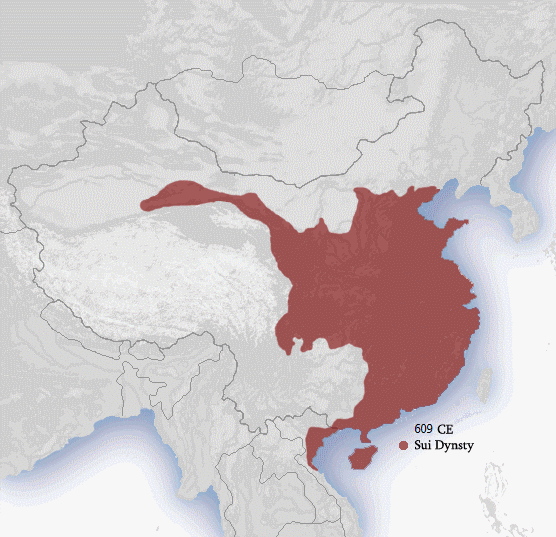
The Sui dynasty was founded by Yang Jian, also known as Emperor Wen, who had been a member of the military aristocracy in the northwest during the prolonged period of division. The Sui capital was initially located in Chang'an, which is now modern-day Xi'an. The Sui endeavoured to rebuild the state, re-establishing and reforming many imperial institutions, including the imperial examination system. This system, which was also used by the Tang dynasty, allowed for the selection of officials based on merit, rather than birth or social status. The Sui also undertook wide-ranging construction projects, including the Grand Canal, which connected the Yellow and Yangtze rivers and facilitated trade and communication between the north and south. The construction of the Grand Canal was a major achievement, and it played a crucial role in the development of China's economy and culture, as noted by historians like Mark Edward Lewis.
📈 Reforms & Construction
The Sui dynasty's reforms and construction projects were influenced by the ideas of Confucius and the Daoist philosophy. The Sui also implemented a new system of government, which was based on the principles of Confucianism. This system, which emphasized the importance of morality and ethics, was also adopted by the Tang dynasty and had a lasting impact on Chinese history. The Sui's reforms and construction projects were also influenced by the experiences of the Qin dynasty, which had unified China for the first time in 221 BC. The Sui's use of the imperial seal, which was also used by the Qin and Han dynasties, symbolized the power and authority of the emperor. The Sui's legacy can be seen in the works of Du Fu, a famous Chinese poet who lived during the Tang dynasty.
🌍 Cultural Impact
The Sui dynasty's cultural impact was significant, and it laid the foundation for the subsequent Tang dynasty, which is often regarded as the golden age of Chinese history. The Sui's reforms and construction projects, including the Grand Canal, facilitated trade and communication between the north and south, and helped to spread Buddhism and Daoism throughout China. The Sui's use of the imperial examination system also helped to promote education and learning, and it played a crucial role in the development of Chinese literature and philosophy. The Sui's legacy can be seen in the works of Wang Wei, a famous Chinese poet and painter who lived during the Tang dynasty. The Sui's impact on Chinese history is still studied by historians like Jonathan Spence and Paul Krugman.
🔮 Legacy & Future
The Sui dynasty's legacy is complex and multifaceted, and it continues to be studied by historians and scholars today. The Sui's reforms and construction projects, including the Grand Canal, had a lasting impact on Chinese history, and they laid the foundation for the subsequent Tang dynasty. The Sui's use of the imperial examination system and the imperial seal also had a significant impact on Chinese government and culture. The Sui's legacy can be seen in the works of Lu Xun, a famous Chinese writer and intellectual who lived during the 20th century. The Sui's impact on Chinese history is still felt today, and it continues to be an important topic of study and research. The Sui's legacy is a testament to the enduring power of Chinese culture and history, as noted by historians like Joseph Needham and David Nivison.
Key Facts
- Year
- 581-618 AD
- Origin
- China
- Category
- history
- Type
- dynasty
Frequently Asked Questions
What was the significance of the Sui dynasty in Chinese history?
The Sui dynasty played a crucial role in reunifying China after a prolonged period of division, and it laid the foundation for the subsequent Tang dynasty. The Sui's reforms and construction projects, including the Grand Canal, had a lasting impact on Chinese history and culture. The Sui's legacy can be seen in the works of Du Fu and Wang Wei.
Who was the founder of the Sui dynasty?
The founder of the Sui dynasty was Yang Jian, also known as Emperor Wen. He was a member of the military aristocracy in the northwest during the prolonged period of division, and he played a crucial role in reunifying China. Yang Jian was influenced by the ideas of Confucius and the Daoist philosophy, and he implemented a new system of government based on the principles of Confucianism.
What was the impact of the Sui dynasty on Chinese culture and society?
The Sui dynasty had a significant impact on Chinese culture and society, and it laid the foundation for the subsequent Tang dynasty. The Sui's reforms and construction projects, including the Grand Canal, facilitated trade and communication between the north and south, and helped to spread Buddhism and Daoism throughout China. The Sui's use of the imperial examination system also helped to promote education and learning, and it played a crucial role in the development of Chinese literature and philosophy. The Sui's legacy can be seen in the works of Lu Xun and Joseph Needham.
How did the Sui dynasty influence the Tang dynasty?
The Sui dynasty had a significant influence on the Tang dynasty, which succeeded the Sui in 618 AD. The Tang dynasty built upon the foundations laid by the Sui, and it is often regarded as the golden age of Chinese history. The Tang dynasty's use of the imperial examination system and the imperial seal, which were introduced by the Sui, helped to promote education and learning, and it played a crucial role in the development of Chinese literature and philosophy. The Tang dynasty's legacy can be seen in the works of Du Fu and Wang Wei.
What was the significance of the Grand Canal in Chinese history?
The Grand Canal, which was constructed during the Sui dynasty, played a crucial role in Chinese history and culture. The Grand Canal connected the Yellow and Yangtze rivers, and it facilitated trade and communication between the north and south. The Grand Canal also helped to spread Buddhism and Daoism throughout China, and it played a significant role in the development of Chinese literature and philosophy. The Grand Canal's legacy can be seen in the works of Lu Xun and Joseph Needham.