
Contents
- 🎵 Origins & History
- ⚙️ How It Works
- 📊 Key Facts & Numbers
- 👥 Key People & Organizations
- 🌍 Cultural Impact & Influence
- ⚡ Current State & Latest Developments
- 🤔 Controversies & Debates
- 🔮 Future Outlook & Predictions
- 💡 Practical Applications
- 📚 Related Topics & Deeper Reading
- Frequently Asked Questions
- References
- Related Topics
Overview
Suffrage, or the right to vote, has been a cornerstone of democratic societies, with a history marked by struggles for expansion and restriction. From the early days of democracy in ancient Athens to the present, the fight for suffrage has been a key aspect of social and political movements, with various groups seeking to secure their right to participate in the electoral process. The concept of suffrage encompasses not only the right to vote in public elections but also the right to stand for election, with the combination of both known as full suffrage. Today, suffrage remains a contentious issue, with many countries still restricting voting rights based on age, residency, and citizenship status. For instance, the United States has a complex history of suffrage, with the Civil Rights Act of 1964 and the Voting Rights Act of 1965 aiming to protect the voting rights of African Americans. Meanwhile, countries like Switzerland have implemented direct democracy, allowing citizens to vote on referendums at all levels of government. As the world continues to evolve, the struggle for suffrage remains an essential part of the pursuit of equality and democracy, with organizations like the American Civil Liberties Union (ACLU) and the National Association for the Advancement of Colored People (NAACP) working to protect and expand voting rights.
🎵 Origins & History
The concept of suffrage has its roots in ancient civilizations, with the city-state of Athens being one of the first to implement democratic systems, as described by the ancient Greek historian Thucydides. The idea of suffrage, however, was initially limited to a select group of citizens, with slaves, women, and foreigners excluded from the process. The struggle for suffrage has been a long and arduous one, with various social and political movements seeking to expand voting rights to marginalized groups. For example, the women's suffrage movement in the United States, led by figures like Elizabeth Cady Stanton and Susan B. Anthony, fought tirelessly for women's right to vote, ultimately securing the passage of the 19th Amendment in 1920.
⚙️ How It Works
The mechanics of suffrage vary from country to country, with some nations implementing direct democracy and others relying on representative democracy. In countries like Switzerland, citizens have the right to vote on referendums at all levels of government, as outlined in the Swiss Federal Constitution. In contrast, countries like the United Kingdom have a more limited approach to direct democracy, with referendums being relatively rare. The right to stand for election, also known as passive suffrage, is another crucial aspect of the democratic process, with candidates like Barack Obama and Hillary Clinton having run for public office in the United States.
📊 Key Facts & Numbers
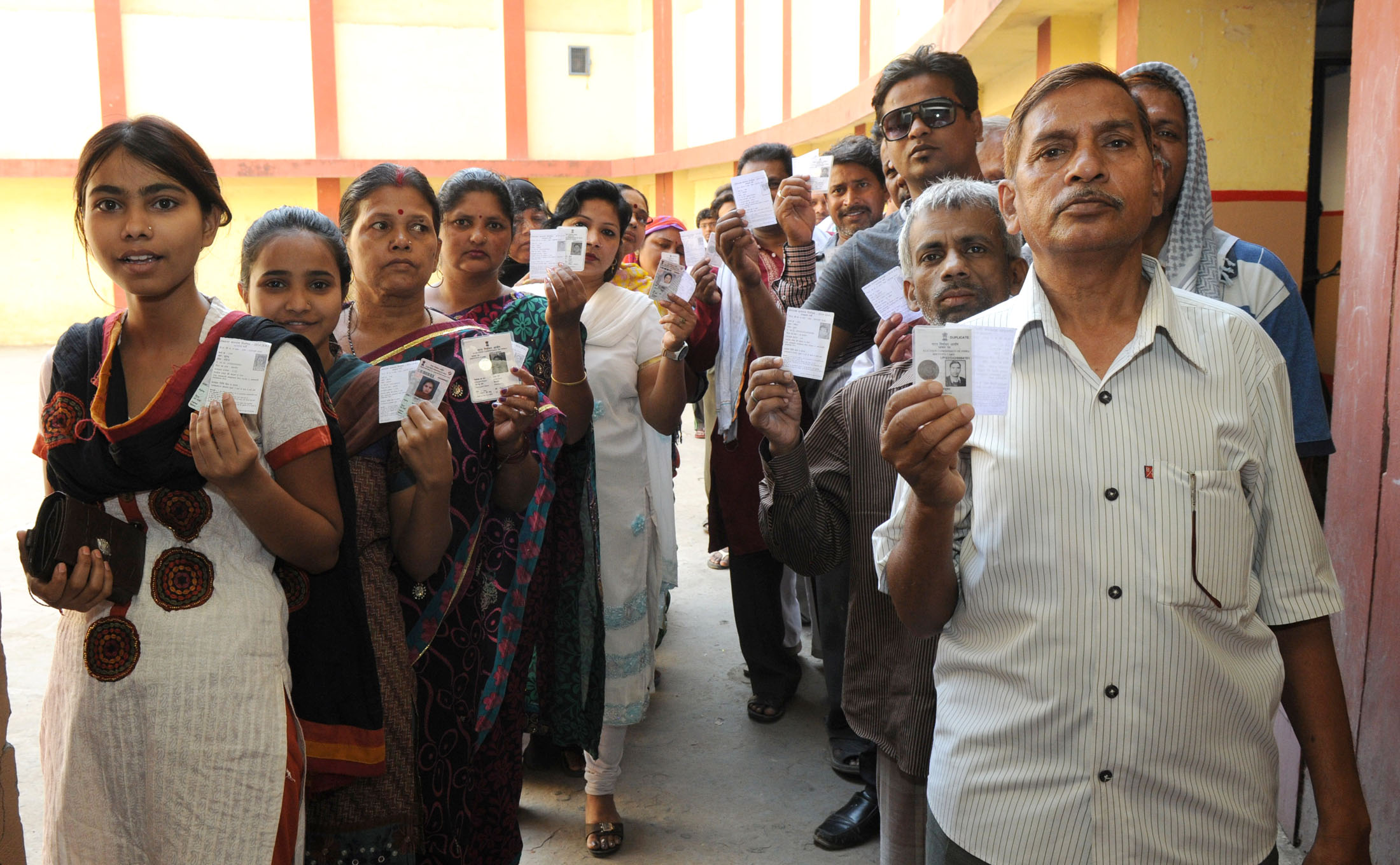
Key statistics on suffrage reveal a complex and often restricted landscape. According to the United Nations, over 125 countries have some form of restricted suffrage, with age, residency, and citizenship status being common barriers to voting. In the United States, for example, the voting age is set at 18, while in Australia, citizens as young as 16 can vote in some state elections. The number of eligible voters worldwide is estimated to be over 5 billion, with the Indian general election being the largest democratic exercise in the world, as reported by the BBC.
👥 Key People & Organizations
Key individuals and organizations have played a significant role in shaping the history of suffrage. Figures like Martin Luther King Jr. and Nelson Mandela have fought tirelessly for voting rights, while organizations like the National Association for the Advancement of Colored People (NAACP) and the American Civil Liberties Union (ACLU) continue to advocate for expanded suffrage. The League of Women Voters has also been instrumental in promoting voting rights and education, as noted by the New York Times.
🌍 Cultural Impact & Influence
The cultural impact of suffrage has been profound, with the right to vote being a cornerstone of democratic societies. The struggle for suffrage has inspired countless social and political movements, from the Civil Rights Movement in the United States to the anti-apartheid movement in South Africa. The concept of suffrage has also been explored in literature and art, with works like To Kill a Mockingbird and The Color Purple highlighting the importance of voting rights, as analyzed by scholars like Harvard University's Henry Louis Gates Jr..
⚡ Current State & Latest Developments
The current state of suffrage is marked by both progress and restriction. While countries like Iceland and Norway have implemented innovative voting systems, others like North Korea and Turkmenistan have highly restricted suffrage. The rise of voter ID laws in the United States has also sparked controversy, with many arguing that such laws disproportionately affect marginalized communities, as reported by the Washington Post.
🤔 Controversies & Debates
Controversies surrounding suffrage continue to simmer, with debates over voting rights, election reform, and voter suppression being highly contentious. The Supreme Court of the United States has played a significant role in shaping suffrage laws, with decisions like Shelby County v. Holder having a profound impact on voting rights, as noted by the National Public Radio. The role of money in politics is also a pressing concern, with many arguing that the influence of wealthy donors undermines the democratic process, as argued by scholars like Lawrence Lessig.
🔮 Future Outlook & Predictions
Looking to the future, the outlook for suffrage is complex and uncertain. While technological advancements like online voting and blockchain-based systems hold promise, they also raise concerns about security and accessibility. The rise of direct democracy and participatory budgeting initiatives also offers new opportunities for citizen engagement, as seen in cities like New York City and Barcelona. However, the ongoing struggle for suffrage in many parts of the world serves as a reminder that the fight for democratic rights is far from over, as highlighted by organizations like the International Institute for Democracy and Electoral Assistance.
💡 Practical Applications
Practical applications of suffrage can be seen in various aspects of society, from education to community development. Organizations like Rock the Vote and Head Count work to increase voter registration and turnout, particularly among young people, as reported by the Los Angeles Times. The concept of suffrage has also been applied in non-political contexts, such as in corporate decision-making and community governance, as noted by scholars like Stanford University's Robert Reich.
Key Facts
- Year
- 2023
- Origin
- Ancient Athens
- Category
- history
- Type
- concept
Frequently Asked Questions
What is the history of suffrage in the United States?
The history of suffrage in the United States is complex and marked by struggles for expansion and restriction. The right to vote was initially limited to white, male property owners, but has since been expanded to include women, African Americans, and other marginalized groups through landmark legislation like the Voting Rights Act and the 19th Amendment.
What are some common restrictions on suffrage?
Common restrictions on suffrage include age, residency, and citizenship status. In some countries, additional restrictions like wealth, education, or property ownership may also apply. For example, in the United Arab Emirates, only citizens who meet certain wealth and education requirements are eligible to vote, as reported by the Al Jazeera.
How has technology impacted suffrage?
Technology has had a significant impact on suffrage, with the rise of online voting and blockchain-based systems offering new opportunities for citizen engagement. However, concerns about security and accessibility remain, and the use of technology in voting systems is still a topic of debate among scholars like MIT's Ron Rivest.
What are some notable examples of suffrage movements?
Notable examples of suffrage movements include the women's suffrage movement in the United States, the civil rights movement in the United States, and the anti-apartheid movement in South Africa. These movements have inspired countless others around the world, including the Arab Spring and the Occupy Wall Street movement, as analyzed by scholars like Columbia University's Manissa McCleave Mahmoud.
How can I get involved in the struggle for suffrage?
There are many ways to get involved in the struggle for suffrage, from volunteering with organizations like Rock the Vote to advocating for policy changes at the local and national level. Educating oneself and others about the importance of voting rights and the ongoing struggles for suffrage is also crucial, as noted by the National Council of La Raza.
What is the current state of suffrage worldwide?
The current state of suffrage worldwide is complex and varied. While some countries have made significant progress in expanding voting rights, others continue to restrict suffrage based on age, residency, and citizenship status. The rise of authoritarian regimes and the erosion of democratic norms in some countries have also raised concerns about the future of suffrage, as reported by the Economist.
How can I learn more about suffrage and its history?
There are many resources available to learn more about suffrage and its history, from books and documentaries to online courses and museum exhibits. The Library of Congress and the National Archives are excellent resources for primary sources and historical documents related to suffrage, as noted by scholars like University of California, Berkeley's Lisa Garcia Bedolla.