
Contents
Overview
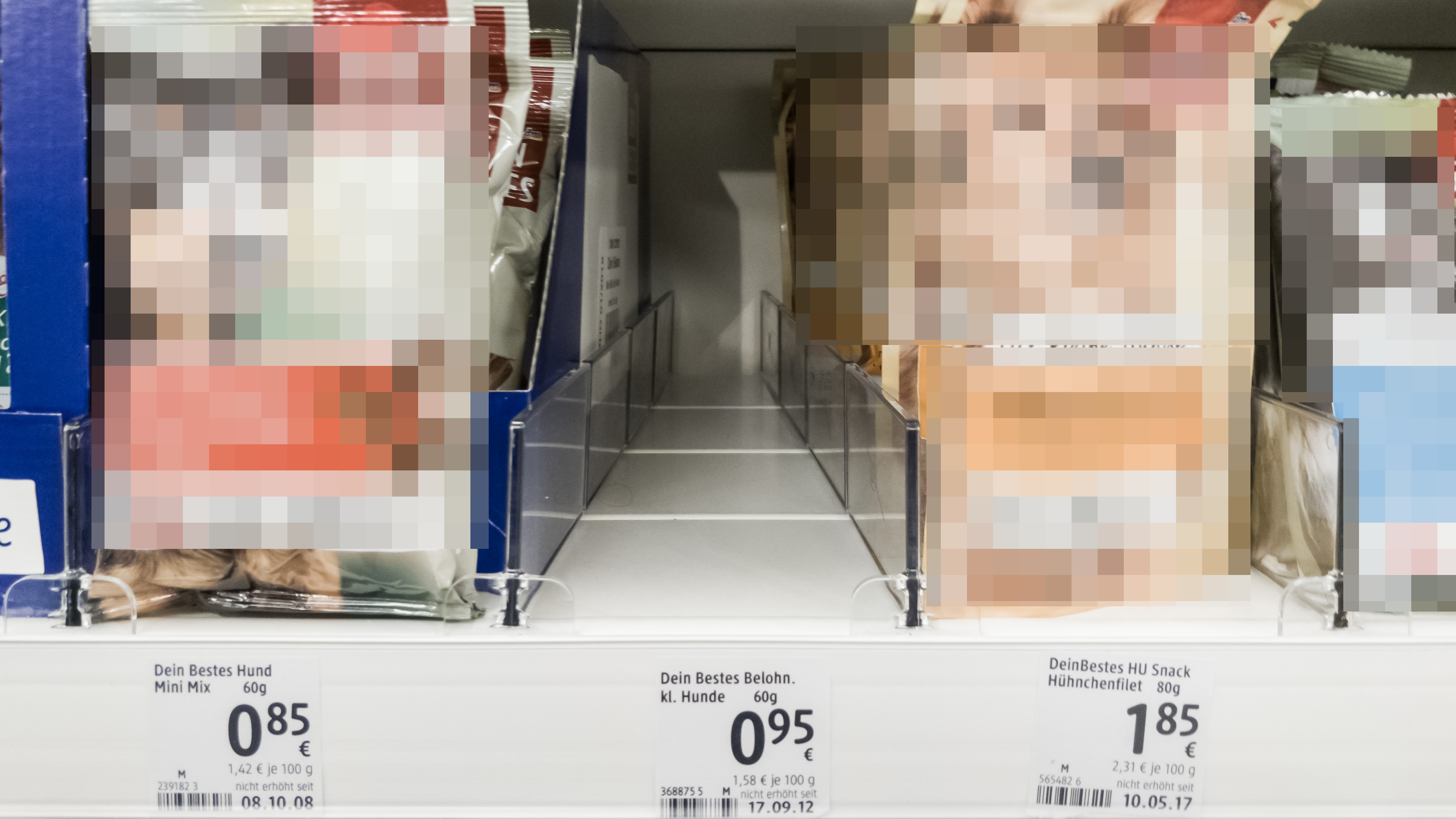
A stockout, or out-of-stock (OOS) event, signifies the depletion of inventory, leaving shelves empty and customers frustrated. These events, most visibly experienced in retail fast-moving consumer goods (FMCG) sectors like groceries and personal care, represent a critical failure in supply chain management. While overstocks represent excess inventory, stockouts represent lost opportunities, directly impacting sales and brand perception. Understanding the root causes, from forecasting errors to logistical breakdowns, is crucial for businesses aiming to maintain consistent product availability and customer satisfaction in an increasingly complex global marketplace.
🎵 Origins & History
The concept of a stockout is as old as commerce itself, predating modern supply chains by millennia. Ancient merchants undoubtedly faced situations where demand outstripped their available goods, whether it was grain during a famine or pottery after a successful market day. Pioneers like Henry Ford's assembly line, while focused on efficiency, implicitly highlighted the need for synchronized material flow to avoid production stoppages, a form of stockout.
⚙️ How It Works
A stockout occurs when demand for a product exceeds the available supply at a specific point in time and location. This can happen at various stages of the supply chain, from raw material shortages affecting manufacturers to distribution center delays impacting retailers, and ultimately to empty shelves in a brick-and-mortar store or an 'out of stock' notification online. The mechanics involve a breakdown in the intricate dance of forecasting, procurement, production, warehousing, and last-mile delivery. For instance, a sudden surge in demand, perhaps driven by a viral social media trend or an unexpected competitor promotion, can overwhelm existing inventory buffers. Conversely, a disruption in transportation, such as port congestion or a trucking shortage, can prevent replenishment stock from reaching its destination, leading to an OOS event even if production capacity is sufficient. The complexity of global supply chains, involving numerous intermediaries and extended lead times, amplifies the potential for such failures.
📊 Key Facts & Numbers
The financial toll of stockouts is immense. For the fast-moving consumer goods (FMCG) sector, where product turnover is high, the impact is particularly acute. Studies have shown that consumers are increasingly impatient, with nearly 70% of shoppers abandoning a purchase if their desired item is unavailable, and a significant portion of these will switch to a competitor. For online retail, the 'out of stock' message can lead to a 25% reduction in conversion rates.
👥 Key People & Organizations
While stockouts are a systemic issue, certain organizations and individuals have been instrumental in addressing them. Companies like Walmart and Amazon.com have invested heavily in sophisticated inventory management systems and predictive analytics to minimize OOS events, often leveraging technologies developed by firms such as SAP and Oracle. In the FMCG space, manufacturers like Procter & Gamble and Unilever work closely with retailers to improve demand forecasting and shelf availability. Researchers like Marshall Fisher, known for his work on supply chain strategy, have provided foundational insights into the causes and consequences of stockouts. More recently, AI-driven solutions from companies like RedCloud, which analyzes datasets worth billions, are emerging to tackle these challenges with specialized agents trained on FMCG trade data.
🌍 Cultural Impact & Influence
The cultural impact of stockouts is subtle yet pervasive, shaping consumer behavior and expectations. The ubiquitous presence of products on shelves has become an implicit promise of availability, and its absence breeds frustration and erodes trust. For consumers, frequent stockouts can lead to a perception of poor store management or a decline in brand loyalty, prompting them to seek alternatives. This phenomenon is particularly evident in the grocery sector, where consumers often have multiple shopping options. The rise of e-commerce has further amplified this, with 'out of stock' notifications online serving as immediate barriers to purchase. The constant battle against stockouts has also influenced marketing strategies, with retailers and brands often running promotions to clear excess inventory (overstocks) or, conversely, scrambling to restock popular items to avoid lost sales.
⚡ Current State & Latest Developments
The current state of stockout management is characterized by an increasing reliance on advanced technologies. Artificial intelligence (AI) and machine learning (ML) are being deployed to improve demand forecasting accuracy, predict potential stockouts before they occur, and optimize replenishment strategies. For instance, Carrefour, a global retailer, has committed billions to digital and AI transformation, aiming to enhance its operational efficiency and sales performance, which directly impacts stock availability. The ongoing development of real-time inventory tracking systems, utilizing IoT sensors and blockchain technology, promises greater visibility across the supply chain.
🤔 Controversies & Debates
A significant controversy surrounding stockouts revolves around the ethical implications of their management, particularly concerning essential goods. During crises, such as the early days of the COVID-19 pandemic, widespread stockouts of items like toilet paper and hand sanitizer sparked debates about hoarding, price gouging, and the responsibility of retailers and governments to ensure equitable distribution. Another debate centers on the trade-off between minimizing stockouts and managing inventory costs. Aggressively stocking every item to prevent any OOS event can lead to massive overstocking, increasing warehousing costs, obsolescence, and markdowns. Conversely, lean inventory strategies, while cost-effective, heighten the risk of stockouts. The optimal balance remains a subject of ongoing discussion and depends heavily on the specific product, market, and business strategy.
🔮 Future Outlook & Predictions
The future of stockout management points towards hyper-personalization and predictive automation. Advanced AI models will likely predict demand not just at a product level but at an individual consumer level, enabling highly targeted inventory allocation. We can anticipate a rise in autonomous replenishment systems that automatically reorder stock based on real-time sales data and predictive algorithms, minimizing human intervention and error. The integration of supply chain data with external factors like weather patterns, social media sentiment, and economic indicators will further refine forecasting. Companies that successfully implement these predictive and prescriptive analytics will gain a significant competitive advantage, while those that lag behind risk becoming increasingly vulnerable to the disruptive impact of stockouts. The goal is to move from reactive stockout management to proactive prevention, creating a seamless flow of goods from producer to consumer.
💡 Practical Applications
Stockouts have direct practical applications across numerous industries. In retail, effective stockout prevention ensures that shelves are consistently stocked with popular items, maximizing sales and customer satisfaction. For manufacturers, understanding potential stockout points in their production lines or distribution networks allows for proactive capacity planning and risk mitigation. In the pharmaceutical sector, stockouts of critical medications can have life-threatening consequences, making inventory management paramount. E-commerce platforms utilize stockout prediction to manage customer expectations, offering backorder options or suggesting alternatives when items are unavailable. Even in service industries, a 'stockout' of a specific skill set or resource can lead to project delays or service disruptions, highlighting the universal applicability of
Key Facts
- Category
- phenomenon
- Type
- topic