
Contents
- 🎨 Introduction to Stained Glass Windows
- 📍 History and Evolution
- 🔨 Materials and Techniques
- 🏛️ Architectural Significance
- 👨🎤 Famous Stained Glass Artists
- 🌟 Modern Stained Glass Art
- 🏰 Stained Glass in Different Cultures
- 💡 Restoration and Conservation
- 📚 Resources and Further Learning
- 👥 Community and Events
- Frequently Asked Questions
- Related Topics
Overview
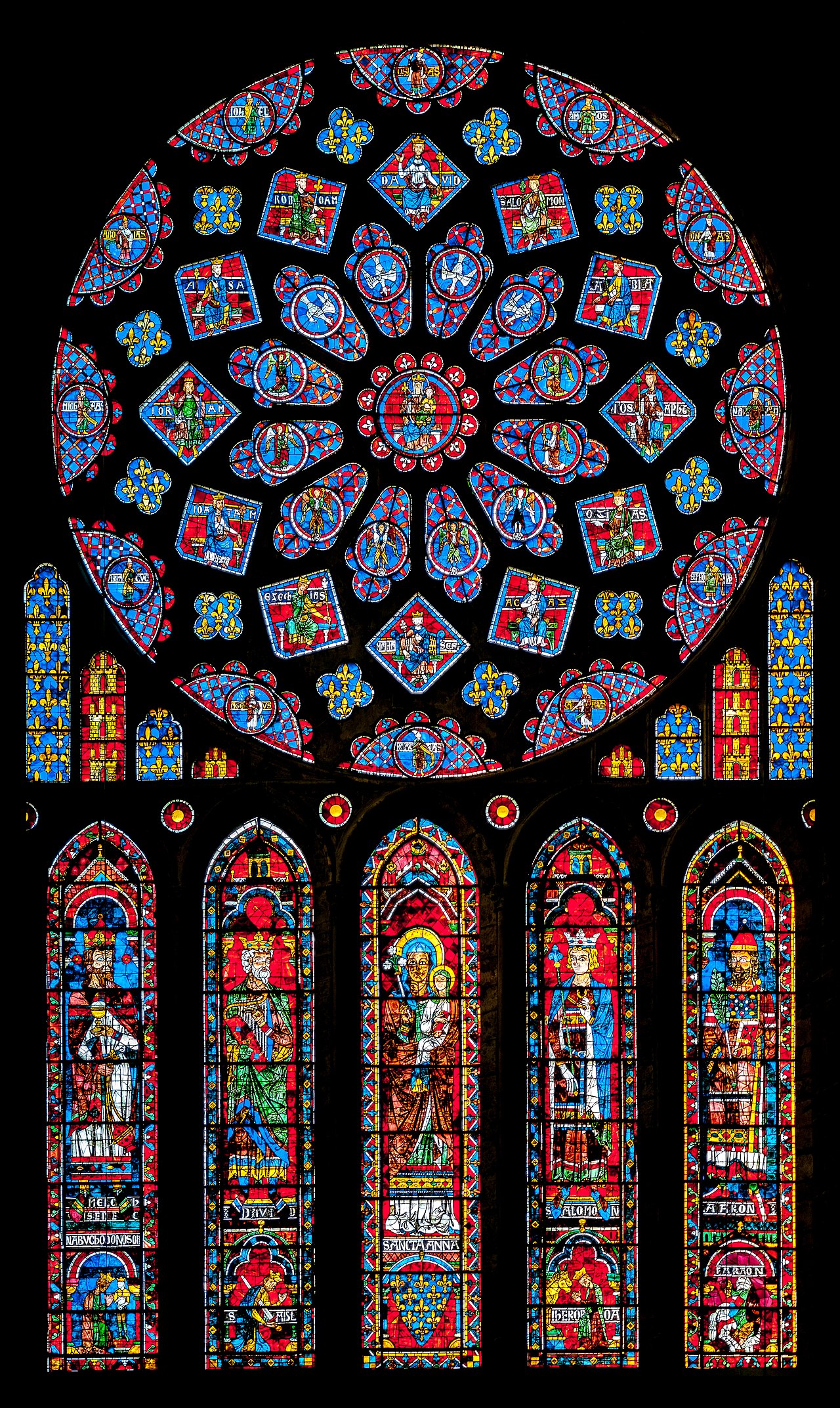
Stained glass windows have been a cornerstone of architectural and artistic expression for centuries, with a history dating back to ancient Rome and Egypt. The technique of staining glass involves mixing metallic salts with glass to create a kaleidoscope of colors, which are then cut and assembled into intricate designs. From the stunning rose windows of Notre Dame to the modern masterpieces of Louis Comfort Tiffany, stained glass windows have evolved over time, influenced by various cultural and artistic movements. With a vibe score of 8, stained glass windows continue to inspire and awe people around the world, symbolizing both spiritual and aesthetic values. The craft of creating stained glass windows requires great skill and precision, with artists like John La Farge and Harry Clarke pushing the boundaries of the medium. As a cultural phenomenon, stained glass windows have been shaped by the contributions of numerous artists, architects, and craftsmen, including the medieval guilds of Europe and the Art Nouveau movement of the late 19th century.
🎨 Introduction to Stained Glass Windows
Stained glass windows are a timeless and captivating form of art that has been a cornerstone of architectural design for centuries. As a material, stained glass refers to coloured glass used in various forms, from flat panels to three-dimensional structures and sculptures. For those interested in art and architecture, stained glass windows offer a unique blend of aesthetics and functionality. To learn more about the history of stained glass, visit the Stained Glass History page. Stained glass windows can be found in various settings, including churches, cathedrals, and other places of worship, as seen in the works of Louis Comfort Tiffany. The art of stained glass has also been influenced by various styles, including Art Nouveau and Gothic Architecture.
📍 History and Evolution
The history of stained glass windows dates back to ancient civilizations, with evidence of stained glass production found in Ancient Egypt and Ancient Rome. However, it was during the Middle Ages that stained glass windows became a staple of European architecture, particularly in the construction of cathedrals and churches. The technique of creating stained glass windows involves cutting and assembling pieces of coloured glass into intricate designs, often held together by lead came. To learn more about the techniques used in stained glass production, visit the Stained Glass Techniques page. The evolution of stained glass windows has been shaped by various factors, including advances in glass production, changes in architectural styles, and the influence of different cultures. For example, the Byzantine Empire had a significant impact on the development of stained glass windows, as seen in the Hagia Sophia.
🔨 Materials and Techniques
The materials and techniques used in creating stained glass windows have remained relatively unchanged over the centuries. The process typically involves cutting and grinding glass pieces, assembling them into a design, and holding them together with lead came. However, modern stained glass artists have experimented with new materials and techniques, such as using copper foil and glass fusing. To learn more about the materials used in stained glass production, visit the Stained Glass Materials page. The use of stained glass in architecture has also been influenced by various styles, including Modern Architecture and Postmodern Architecture. For example, the works of Frank Lloyd Wright feature extensive use of stained glass windows. The art of stained glass has also been influenced by various artists, including John La Farge and Charles Connick.
🏛️ Architectural Significance
Stained glass windows have played a significant role in the architectural design of various buildings, particularly places of worship. The use of stained glass windows can add a sense of grandeur and beauty to a building, while also providing a functional purpose, such as filtering natural light. To learn more about the architectural significance of stained glass windows, visit the Stained Glass Architecture page. The art of stained glass has also been influenced by various cultures, including Islamic Architecture and Japanese Architecture. For example, the Mosque of Cordoba features extensive use of stained glass windows. Stained glass windows can also be found in various other settings, including Stained Glass in Homes and Stained Glass in Gardens.
👨🎤 Famous Stained Glass Artists
There have been many famous stained glass artists throughout history, each contributing to the evolution of the art form. One of the most renowned stained glass artists is Louis Comfort Tiffany, who was known for his exquisite lamps and windows. Other notable stained glass artists include John La Farge and Charles Connick. To learn more about the lives and works of these artists, visit the Stained Glass Artists page. The art of stained glass has also been influenced by various styles, including Art Deco and Mid Century Modern. For example, the works of Emile Gallé feature extensive use of stained glass windows. Stained glass windows can also be found in various other settings, including Stained Glass in Museums and Stained Glass in Galleries.
🌟 Modern Stained Glass Art
Modern stained glass art has expanded beyond traditional techniques and materials, with many artists experimenting with new forms and styles. Some modern stained glass artists have incorporated three-dimensional structures and sculptures into their work, while others have used glass fusing and other techniques to create intricate designs. To learn more about modern stained glass art, visit the Modern Stained Glass page. The art of stained glass has also been influenced by various cultures, including African Art and Asian Art. For example, the works of Dale Chihuly feature extensive use of stained glass windows. Stained glass windows can also be found in various other settings, including Stained Glass in Public Spaces and Stained Glass in Private Spaces.
🏰 Stained Glass in Different Cultures
Stained glass windows can be found in various cultures around the world, each with its unique style and significance. In Islamic Architecture, stained glass windows are often used to create intricate geometric patterns and designs. In Japanese Architecture, stained glass windows are often used to create delicate and subtle designs. To learn more about stained glass windows in different cultures, visit the Stained Glass Cultures page. The art of stained glass has also been influenced by various artists, including Albrecht Dürer and Leonardo da Vinci. For example, the Taj Mahal features extensive use of stained glass windows. Stained glass windows can also be found in various other settings, including Stained Glass in Historic Buildings and Stained Glass in Landmarks.
💡 Restoration and Conservation
The restoration and conservation of stained glass windows are crucial to preserving their beauty and significance. Over time, stained glass windows can deteriorate due to factors such as weathering, pollution, and human error. To learn more about the restoration and conservation of stained glass windows, visit the Stained Glass Restoration page. The process of restoring stained glass windows involves careful cleaning, repair, and replacement of damaged pieces. It is essential to work with experienced conservators and restorers to ensure that the integrity of the stained glass window is maintained. For example, the Stained Glass Conservation page provides information on the best practices for conserving stained glass windows. Stained glass windows can also be found in various other settings, including Stained Glass in Museums and Stained Glass in Galleries.
📚 Resources and Further Learning
For those interested in learning more about stained glass windows, there are various resources available. To learn more about the history and techniques of stained glass, visit the Stained Glass History page. The Stained Glass Techniques page provides information on the materials and techniques used in stained glass production. Additionally, there are many books, online courses, and workshops available that can provide hands-on experience and instruction. For example, the Stained Glass Workshops page provides information on upcoming workshops and classes. Stained glass windows can also be found in various other settings, including Stained Glass in Homes and Stained Glass in Gardens.
👥 Community and Events
The stained glass community is active and vibrant, with many events and exhibitions taking place throughout the year. To learn more about upcoming events, visit the Stained Glass Events page. The Stained Glass Exhibitions page provides information on current and upcoming exhibitions. For those interested in connecting with other stained glass enthusiasts, there are many online forums and social media groups available. For example, the Stained Glass Forum page provides a space for discussion and networking. Stained glass windows can also be found in various other settings, including Stained Glass in Public Spaces and Stained Glass in Private Spaces.
Key Facts
- Year
- 1000
- Origin
- Ancient Rome and Egypt
- Category
- Art and Architecture
- Type
- Artistic Technique
Frequently Asked Questions
What is stained glass?
Stained glass refers to coloured glass as a material or art and architectural works created from it. Although it is traditionally made in flat panels and used as windows, the creations of modern stained glass artists also include three-dimensional structures and sculpture. To learn more about stained glass, visit the Stained Glass page. The art of stained glass has also been influenced by various styles, including Art Nouveau and Gothic Architecture. For example, the works of Louis Comfort Tiffany feature extensive use of stained glass windows.
How are stained glass windows made?
The process of creating stained glass windows involves cutting and assembling pieces of coloured glass into intricate designs, often held together by lead came. To learn more about the techniques used in stained glass production, visit the Stained Glass Techniques page. The art of stained glass has also been influenced by various materials, including Copper Foil and Glass Fusing. For example, the works of Dale Chihuly feature extensive use of stained glass windows. Stained glass windows can also be found in various other settings, including Stained Glass in Museums and Stained Glass in Galleries.
What are some common uses of stained glass?
Stained glass windows can be found in various settings, including churches, cathedrals, and other places of worship. They are also used in domestic settings, such as homes and gardens, and can be found in public spaces, such as museums and galleries. To learn more about the uses of stained glass, visit the Stained Glass Uses page. The art of stained glass has also been influenced by various cultures, including Islamic Architecture and Japanese Architecture. For example, the Mosque of Cordoba features extensive use of stained glass windows. Stained glass windows can also be found in various other settings, including Stained Glass in Historic Buildings and Stained Glass in Landmarks.
How do I care for stained glass windows?
The care and maintenance of stained glass windows are crucial to preserving their beauty and significance. Regular cleaning and inspection can help prevent damage and deterioration. To learn more about the care and maintenance of stained glass windows, visit the Stained Glass Care page. The art of stained glass has also been influenced by various styles, including Art Deco and Mid Century Modern. For example, the works of Emile Gallé feature extensive use of stained glass windows. Stained glass windows can also be found in various other settings, including Stained Glass in Museums and Stained Glass in Galleries.
Can I create my own stained glass windows?
Yes, it is possible to create your own stained glass windows. There are many resources available, including books, online courses, and workshops, that can provide hands-on experience and instruction. To learn more about creating your own stained glass windows, visit the Stained Glass Workshops page. The art of stained glass has also been influenced by various artists, including Albrecht Dürer and Leonardo da Vinci. For example, the Taj Mahal features extensive use of stained glass windows. Stained glass windows can also be found in various other settings, including Stained Glass in Homes and Stained Glass in Gardens.
What are some common mistakes to avoid when creating stained glass windows?
When creating stained glass windows, it is essential to avoid common mistakes, such as using low-quality materials, not following proper techniques, and not taking the time to plan and design the project carefully. To learn more about common mistakes to avoid, visit the Stained Glass Mistakes page. The art of stained glass has also been influenced by various styles, including Modern Architecture and Postmodern Architecture. For example, the works of Frank Lloyd Wright feature extensive use of stained glass windows. Stained glass windows can also be found in various other settings, including Stained Glass in Public Spaces and Stained Glass in Private Spaces.
How do I repair damaged stained glass windows?
Repairing damaged stained glass windows requires careful attention to detail and a thorough understanding of the techniques and materials involved. To learn more about repairing damaged stained glass windows, visit the Stained Glass Repair page. The art of stained glass has also been influenced by various cultures, including African Art and Asian Art. For example, the works of Dale Chihuly feature extensive use of stained glass windows. Stained glass windows can also be found in various other settings, including Stained Glass in Museums and Stained Glass in Galleries.