
Contents
- 🙏 Introduction to Sound Meditation
- 📍 Location & Access
- 🕒 History and Origins
- 🎵 Types of Sound Meditation
- 🙋♀️ Benefits and Effects
- 💆♀️ How to Practice Sound Meditation
- 👥 Comparison with Other Mindfulness Practices
- 💰 Pricing & Plans for Sound Meditation Classes
- 📊 Ratings and Reviews
- 🤝 Community and Support
- 📚 Resources and Further Learning
- Frequently Asked Questions
- Related Topics
Overview
Sound meditation is a practice that utilizes sound waves to induce a meditative state, promoting relaxation, reducing stress, and increasing focus. This technique has been used for centuries in various cultures, including Tibetan singing bowls, Native American drumming, and Indian mantra chanting. Research has shown that sound meditation can lower cortisol levels, blood pressure, and heart rate, while improving mood and cognitive function. With the rise of digital platforms, sound meditation has become more accessible, offering a wide range of guided sessions, from binaural beats to nature sounds. Notable sound meditation practitioners include Tibetan monk Tenzin Wangyal Rinpoche and sound healer Fabian Maman. As the world becomes increasingly fast-paced, sound meditation provides a much-needed respite, allowing individuals to cultivate inner peace and balance in their daily lives. The controversy surrounding the scientific validation of sound meditation's benefits has sparked debates among researchers, with some arguing that the evidence is anecdotal, while others claim that the benefits are backed by empirical studies.
🙏 Introduction to Sound Meditation
Sound meditation, also known as sound healing, is a practice that uses sound waves to promote relaxation, reduce stress, and improve overall well-being. It's for anyone looking to explore the therapeutic benefits of sound, from sound healing enthusiasts to mindfulness practitioners. Sound meditation can be practiced individually or in group settings, and its effects can be enhanced with the use of meditation apps and sound baths. To get started, you can find sound meditation classes in local yoga studios or wellness centers. For a more immersive experience, consider attending a sound meditation retreat.
📍 Location & Access
Sound meditation classes and workshops can be found in various locations, from urban areas to rural retreats. Many yoga studios and wellness centers offer sound meditation classes as part of their regular schedules. You can also find sound meditation classes online, which can be a great option for those with busy schedules or limited access to local classes. Some popular online platforms for sound meditation include Insight Timer and Calm.
🕒 History and Origins
The history of sound meditation dates back to ancient civilizations, where sound was used in shamanic practices and rituals for healing and spiritual growth. In modern times, sound meditation has evolved to incorporate a wide range of techniques and instruments, from Tibetan singing bowls to gongs. The use of sound in meditation has been influenced by various spiritual traditions, including Buddhism and Hinduism. To learn more about the history and origins of sound meditation, check out the work of Jonathan Goldman, a renowned sound healer and author.
🎵 Types of Sound Meditation
There are several types of sound meditation, each with its unique characteristics and benefits. Some popular types of sound meditation include binaural beats, isochronic tones, and sound baths. Binaural beats involve listening to two slightly different frequencies in each ear, which can create a range of effects from relaxation to increased focus. Isochronic tones, on the other hand, involve listening to a single tone that is turned on and off at regular intervals. Sound baths, which typically involve lying down and being surrounded by gongs and other instruments, can be a powerful way to experience the therapeutic benefits of sound.
🙋♀️ Benefits and Effects
The benefits of sound meditation are numerous and well-documented. Regular practice can help reduce stress and anxiety, improve sleep quality, and boost the immune system. Sound meditation can also be used to enhance focus and concentration, making it a great tool for students, athletes, and anyone looking to improve their performance. For those interested in exploring the spiritual benefits of sound meditation, it can be a powerful way to connect with higher states of consciousness and experience a sense of oneness with the universe. Check out the work of Dr. Joe Dispenza for more information on the science behind sound meditation.
💆♀️ How to Practice Sound Meditation
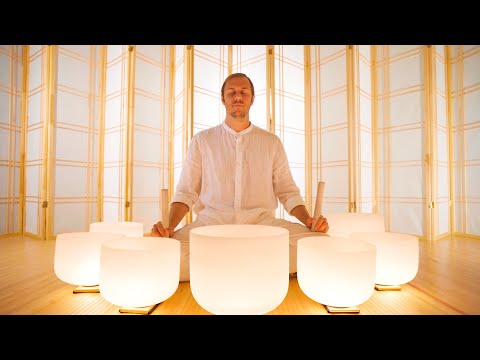
To practice sound meditation, you'll need a quiet and comfortable space to sit or lie down. You can use a meditation app or listen to sound meditation music on a music streaming platform. Start by finding a comfortable position and closing your eyes, then focus your attention on the sound. As you listen, allow yourself to relax and let go of any tension or stress. You can also use sound healing instruments such as Tibetan singing bowls or gongs to create your own sound meditation practice. For a more guided experience, consider working with a sound healing practitioner.
👥 Comparison with Other Mindfulness Practices
Sound meditation is just one of many mindfulness practices that can help reduce stress and improve overall well-being. Other popular practices include mindful meditation, yoga, and tai chi. While each practice has its unique benefits and characteristics, they all share a common goal of cultivating greater awareness and presence in the present moment. Sound meditation can be a great addition to any mindfulness practice, as it can help deepen relaxation and enhance the overall meditative experience. Check out the work of Deepak Chopra for more information on the benefits of mindfulness and meditation.
💰 Pricing & Plans for Sound Meditation Classes
The cost of sound meditation classes and workshops can vary depending on the location, instructor, and type of practice. On average, you can expect to pay between $10 and $30 per class, with discounts available for package deals and memberships. Some yoga studios and wellness centers may also offer free or low-cost sound meditation classes as part of their community outreach programs. Online sound meditation classes and workshops can be a more affordable option, with prices starting at around $5 per class. For a more immersive experience, consider investing in a sound healing instrument or attending a sound meditation retreat.
📊 Ratings and Reviews
Sound meditation classes and workshops generally receive high ratings and reviews from participants. Many people report feeling a deep sense of relaxation and calm after practicing sound meditation, and some even experience profound spiritual insights and awakenings. To get a sense of what to expect from a sound meditation class or workshop, check out online reviews and testimonials from other participants. You can also ask your instructor or the studio/center about their approach and what you can expect from the practice. For more information on the benefits and effects of sound meditation, check out the work of Dr. Andrew Weil.
🤝 Community and Support
The sound meditation community is a vibrant and supportive one, with many online forums and social media groups dedicated to sharing information and resources. You can also find local sound meditation groups and meetups in your area, which can be a great way to connect with like-minded individuals and deepen your practice. Some popular online communities include the Sound Healing Forum and the Sound Meditation Group. For more information on sound meditation and its benefits, check out the work of Jonathan Goldman and Dr. Joe Dispenza.
📚 Resources and Further Learning
For those looking to deepen their understanding of sound meditation and its benefits, there are many resources available. You can start by checking out the work of renowned sound healers and authors such as Jonathan Goldman and Dr. Joe Dispenza. You can also explore online courses and workshops on sound meditation, which can provide a more in-depth and comprehensive understanding of the practice. Some popular online courses include the Sound Healing Certification program and the Sound Meditation Training program. For more information on sound meditation and its benefits, check out the Sound Meditation Wiki and the Sound Healing Blog.
Key Facts
- Year
- 2010
- Origin
- Tibetan and Native American Traditions
- Category
- Mindfulness and Spirituality
- Type
- Mindfulness Practice
Frequently Asked Questions
What is sound meditation?
Sound meditation, also known as sound healing, is a practice that uses sound waves to promote relaxation, reduce stress, and improve overall well-being. It involves listening to sound waves, such as those produced by Tibetan singing bowls or gongs, to create a deep sense of relaxation and calm. Sound meditation can be practiced individually or in group settings, and its effects can be enhanced with the use of meditation apps and sound baths.
What are the benefits of sound meditation?
The benefits of sound meditation are numerous and well-documented. Regular practice can help reduce stress and anxiety, improve sleep quality, and boost the immune system. Sound meditation can also be used to enhance focus and concentration, making it a great tool for students, athletes, and anyone looking to improve their performance. For more information on the benefits and effects of sound meditation, check out the work of Dr. Andrew Weil and Dr. Joe Dispenza.
How do I get started with sound meditation?
To get started with sound meditation, you can find sound meditation classes in local yoga studios or wellness centers. You can also find sound meditation classes online, which can be a great option for those with busy schedules or limited access to local classes. Some popular online platforms for sound meditation include Insight Timer and Calm. You can also use sound healing instruments such as Tibetan singing bowls or gongs to create your own sound meditation practice.
What is the difference between sound meditation and other mindfulness practices?
Sound meditation is just one of many mindfulness practices that can help reduce stress and improve overall well-being. Other popular practices include mindful meditation, yoga, and tai chi. While each practice has its unique benefits and characteristics, they all share a common goal of cultivating greater awareness and presence in the present moment. Sound meditation can be a great addition to any mindfulness practice, as it can help deepen relaxation and enhance the overall meditative experience. Check out the work of Deepak Chopra for more information on the benefits of mindfulness and meditation.
Can sound meditation be used for spiritual growth?
Yes, sound meditation can be a powerful tool for spiritual growth and development. By using sound waves to access higher states of consciousness, sound meditation can help individuals connect with their higher self and experience a sense of oneness with the universe. For more information on the spiritual benefits of sound meditation, check out the work of Jonathan Goldman and Dr. Joe Dispenza.
How often should I practice sound meditation?
The frequency of sound meditation practice can vary depending on your individual needs and goals. Some people find it helpful to practice sound meditation daily, while others may prefer to practice a few times a week. The key is to find a schedule that works for you and to be consistent in your practice. You can also experiment with different types of sound meditation, such as binaural beats or sound baths, to find what works best for you.
Can sound meditation be used in conjunction with other therapies?
Yes, sound meditation can be used in conjunction with other therapies, such as cognitive-behavioral therapy or physiotherapy. Sound meditation can be a great tool for reducing stress and anxiety, and can be used to enhance the overall therapeutic experience. For more information on the use of sound meditation in therapy, check out the work of Dr. Andrew Weil and Dr. Joe Dispenza.