
Contents
- 🎵 Origins & History
- ⚙️ How It Works
- 📊 Key Facts & Numbers
- 👥 Key People & Organizations
- 🌍 Cultural Impact & Influence
- ⚡ Current State & Latest Developments
- 🤔 Controversies & Debates
- 🔮 Future Outlook & Predictions
- 💡 Practical Applications
- 📚 Related Topics & Deeper Reading
- Frequently Asked Questions
- References
- Related Topics
Overview
The genesis of soil sensing can be traced back to rudimentary methods of assessing soil moisture, with early agricultural practices relying on visual cues and manual feel. Formal scientific inquiry into soil properties began in the late 19th and early 20th centuries, leading to the development of laboratory-based analytical techniques. The advent of electrical measurement principles in the mid-20th century paved the way for the first in-situ soil moisture sensors, often based on resistance or capacitance. Companies like Decagon Devices (now METER Group) emerged in the 1970s, commercializing more sophisticated dielectric sensors. The integration of microelectronics and digital signal processing in the late 20th century allowed for greater accuracy and the development of multi-parameter sensors, moving beyond simple moisture detection to encompass nutrient analysis and pH monitoring, driven by pioneers like George S. Campbell and his work on soil water potential.
⚙️ How It Works
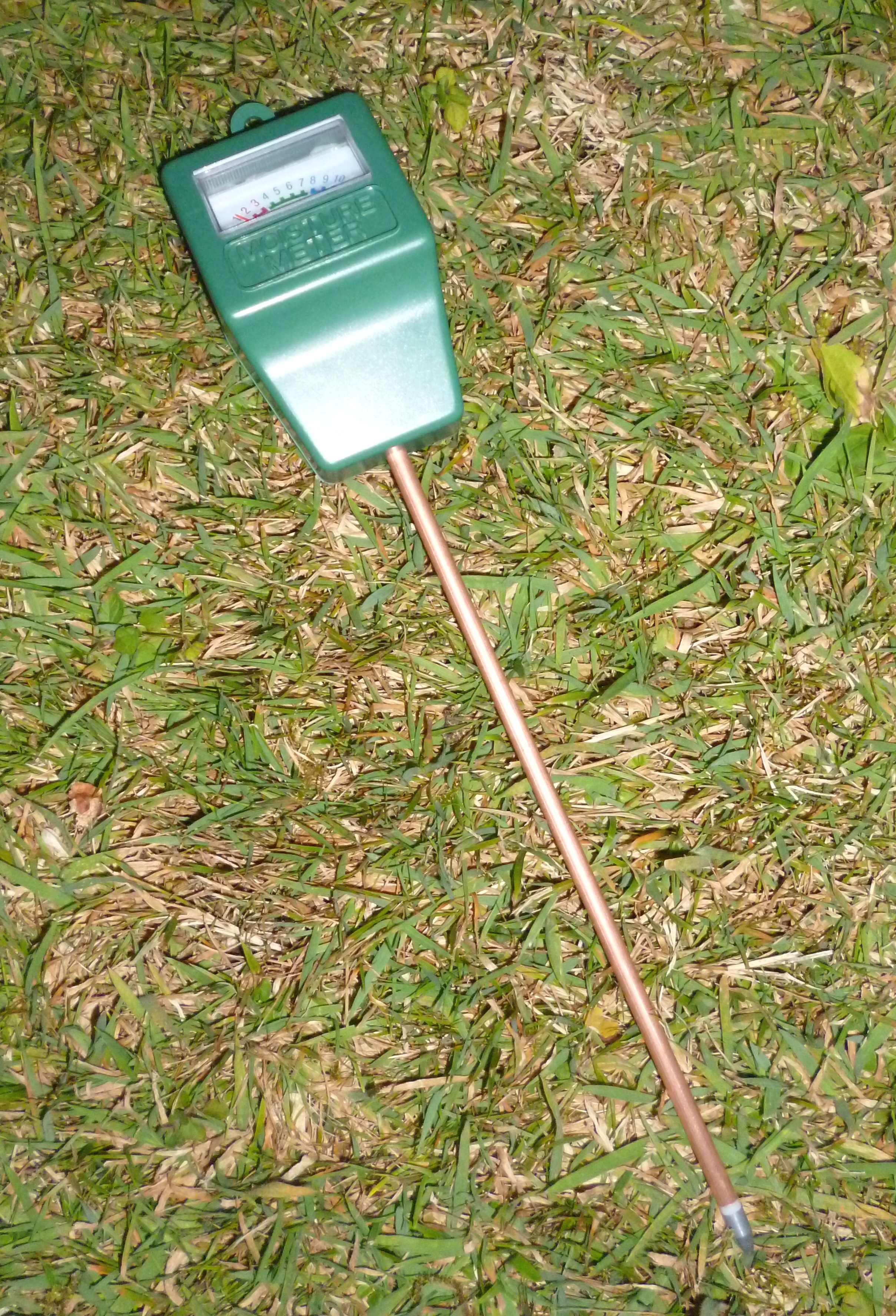
Soil sensors operate on a variety of physical and chemical principles. Soil moisture sensors commonly utilize the dielectric constant of soil, which varies significantly with water content; capacitance sensors and Time Domain Reflectometry (TDR) sensors measure the speed of an electromagnetic wave through the soil, directly correlating to water presence. Electrical resistance sensors, simpler and less expensive, measure the conductivity of the soil, which increases with dissolved salts and moisture. Nutrient sensors often employ electrochemical methods, using ion-selective electrodes to detect specific ions like nitrate or potassium, or optical methods that analyze light absorption or emission. pH sensors typically use glass electrodes that generate a voltage proportional to the hydrogen ion concentration. Advanced sensors may incorporate spectroscopic techniques or even biological assays to assess microbial health.
📊 Key Facts & Numbers
The global soil sensor market was valued at approximately $1.5 billion in 2022 and is projected to reach over $3.5 billion by 2028, exhibiting a compound annual growth rate (CAGR) of around 12%. North America and Europe currently dominate the market, accounting for over 60% of global sales, though the Asia-Pacific region is expected to see the fastest growth at a CAGR exceeding 14%. Precision agriculture applications represent the largest segment, consuming over 55% of all soil sensors. The average cost of a basic soil moisture sensor can range from $20 to $100, while advanced multi-parameter nutrient and environmental monitoring systems can cost upwards of $500 to $2,000 per unit. Over 500,000 agricultural fields worldwide are now equipped with some form of soil sensor technology.
👥 Key People & Organizations
Key figures in soil sensor technology include George S. Campbell, whose foundational work on soil water potential significantly influenced sensor design. Companies like METER Group (formerly Decagon Devices) have been instrumental in commercializing advanced dielectric sensors. Sentek Environmental Technologies is a prominent player in moisture and salinity sensing for agriculture and environmental monitoring. Ag Leader Technology and Trimble Inc. integrate soil sensing capabilities into broader precision agriculture platforms. Research institutions such as the United States Department of Agriculture - Agricultural Research Service and universities like Cornell University continuously contribute to sensor development and validation.
🌍 Cultural Impact & Influence
Soil sensor technology has profoundly reshaped agricultural practices, shifting from broad-acre management to highly localized, data-driven interventions. This has fostered a cultural embrace of 'precision agriculture' and 'smart farming,' where technology is seen as indispensable for optimizing yields and minimizing environmental impact. The data generated by these sensors also fuels public discourse on water conservation, soil health, and sustainable food production, influencing consumer choices and policy debates. Furthermore, the proliferation of these devices in environmental monitoring contributes to a growing awareness of ecological interconnectedness, highlighting the soil's role in carbon sequestration and watershed management, influencing fields from hydrology to soil science.
⚡ Current State & Latest Developments
Current developments are heavily focused on miniaturization, cost reduction, and enhanced connectivity. The integration of Internet of Things (IoT) technology is paramount, enabling wireless data transmission from sensors to cloud platforms for real-time analysis and remote management via mobile applications. Companies are developing 'smart soil' solutions that combine multiple sensor types into single, integrated units. Furthermore, advancements in machine learning and artificial intelligence are being applied to sensor data to provide predictive insights into crop health, disease risk, and optimal irrigation schedules, moving beyond mere data collection to intelligent advisory systems. The development of biodegradable sensors is also an emerging trend, addressing concerns about electronic waste in agricultural fields.
🤔 Controversies & Debates
A significant controversy surrounds the accuracy and calibration of soil sensors, particularly for nutrient and pH measurements, which can be highly site-specific and influenced by soil type, moisture, and temperature. Critics argue that some low-cost sensors provide unreliable data, leading to misguided agricultural decisions. The proprietary nature of calibration algorithms used by some manufacturers also raises concerns about transparency and interoperability between different systems. Another debate centers on data ownership and privacy, as farmers share sensitive field data with third-party platforms. The environmental impact of sensor disposal, particularly for older, non-biodegradable models, is also a growing concern within the sustainability discourse.
🔮 Future Outlook & Predictions
The future of soil sensor technology points towards ubiquitous, low-cost, and highly integrated sensing networks. Expect to see a surge in biodegradable and self-powered sensors, potentially utilizing energy harvesting techniques from soil moisture gradients or solar power. The fusion of soil data with aerial imagery from drones and satellites will create even more comprehensive field diagnostics. Advancements in nanotechnology could lead to highly sensitive sensors capable of detecting trace elements and specific microbial communities. The ultimate goal is a 'digital twin' of agricultural fields, where every aspect of soil health and plant growth is continuously monitored and optimized, potentially transforming food production systems by 2035.
💡 Practical Applications
Soil sensors are indispensable tools across numerous sectors. In agriculture, they optimize irrigation schedules, reducing water usage by up to 30% and improving crop yields. They guide precise fertilizer application, minimizing nutrient runoff into waterways and reducing input costs. In environmental science, they monitor soil moisture for drought prediction, landslide risk assessment, and the health of ecosystems. In civil engineering, they are used for geotechnical investigations to assess soil stability for construction projects. Horticulturalists and home gardeners also benefit, using simpler probes to ensure optimal watering and nutrient levels for plants, preventing over- or under-watering, a common pitfall for even experienced growers.
Key Facts
- Year
- Mid-20th Century (for electronic sensors)
- Origin
- Global (with significant early development in the United States)
- Category
- technology
- Type
- technology
Frequently Asked Questions
What are the main types of soil sensors?
The primary categories include soil moisture sensors (capacitance, TDR, resistance), nutrient sensors (nitrate, potassium, phosphorus), pH sensors, and temperature sensors. Emerging technologies also include sensors for soil salinity, electrical conductivity, and even indicators of microbial activity. Each type relies on different physical or chemical principles to measure specific soil parameters, providing a comprehensive picture of soil health and conditions for various applications.
How do soil sensors improve farming?
Soil sensors enable precision agriculture by providing real-time data on critical soil conditions. This allows farmers to optimize irrigation, applying water only when and where it's needed, thus conserving water resources and preventing over-saturation. They also guide precise application of fertilizers and pesticides, reducing waste, lowering costs, and minimizing environmental pollution from runoff. By understanding soil nutrient levels and moisture, farmers can make informed decisions to maximize crop yields and improve overall farm efficiency.
What is the difference between soil moisture sensors and water potential sensors?
Soil moisture sensors typically measure the volumetric water content, essentially how much water is present in a given volume of soil. Water potential sensors, on the other hand, measure the energy status of the soil water, indicating how tightly the water is held by soil particles. This is crucial for understanding plant water uptake, as plants can only absorb water when its potential in the soil is higher than in their roots. While related, they provide different but complementary insights into soil water dynamics.
Are soil sensors accurate and reliable?
Accuracy varies significantly by sensor type, quality, and calibration. High-end sensors using technologies like TDR or advanced capacitance measurements are generally very accurate for moisture. Nutrient and pH sensors can be more susceptible to interference from soil composition, temperature, and moisture levels, requiring careful calibration and maintenance. While low-cost sensors offer accessibility, their reliability for critical decision-making is often debated, and users should be aware of their limitations and potential for error, especially in diverse soil conditions.
Who are the major companies developing soil sensor technology?
Several key players dominate the soil sensor market. METER Group (formerly Decagon Devices) is a leader in dielectric moisture sensors. Sentek Environmental Technologies is well-known for its moisture and salinity sensors. Ag Leader Technology and Trimble Inc. integrate soil sensing into broader precision agriculture systems. Other significant companies include Veris Technologies, Sentera, and numerous smaller innovators focusing on specific sensor types or IoT integration.
How do I choose the right soil sensor for my needs?
Consider the primary parameters you need to measure (moisture, NPK, pH, temperature). Evaluate the scale of your operation—a small garden might only need a simple probe, while a large farm requires networked, high-accuracy sensors. Research the sensor's technology (e.g., TDR for moisture, ion-selective electrodes for nutrients) and its suitability for your soil type. Look for robust data logging and connectivity options (e.g., LoRaWAN, cellular) if remote monitoring is important. Always check for independent reviews and consider the manufacturer's support and calibration services.
What is the future of soil sensing technology?
The future points towards highly integrated, low-cost, and potentially biodegradable sensors. Expect widespread adoption of IoT connectivity, enabling real-time data streams for AI-driven predictive analytics in agriculture and environmental management. Advancements in nanotechnology may lead to ultra-sensitive sensors for trace elements and microbial activity. Energy harvesting technologies could make sensors self-powered, reducing maintenance. The ultimate vision is a comprehensive digital twin of soil ecosystems, offering unprecedented insights into plant health and environmental sustainability.