
Contents
- 🎵 Origins & History
- ⚙️ How It Works
- 📊 Key Facts & Numbers
- 👥 Key People & Organizations
- 🌍 Cultural Impact & Influence
- ⚡ Current State & Latest Developments
- 🤔 Controversies & Debates
- 🔮 Future Outlook & Predictions
- 💡 Practical Applications
- 📚 Related Topics & Deeper Reading
- Frequently Asked Questions
- References
- Related Topics
Overview
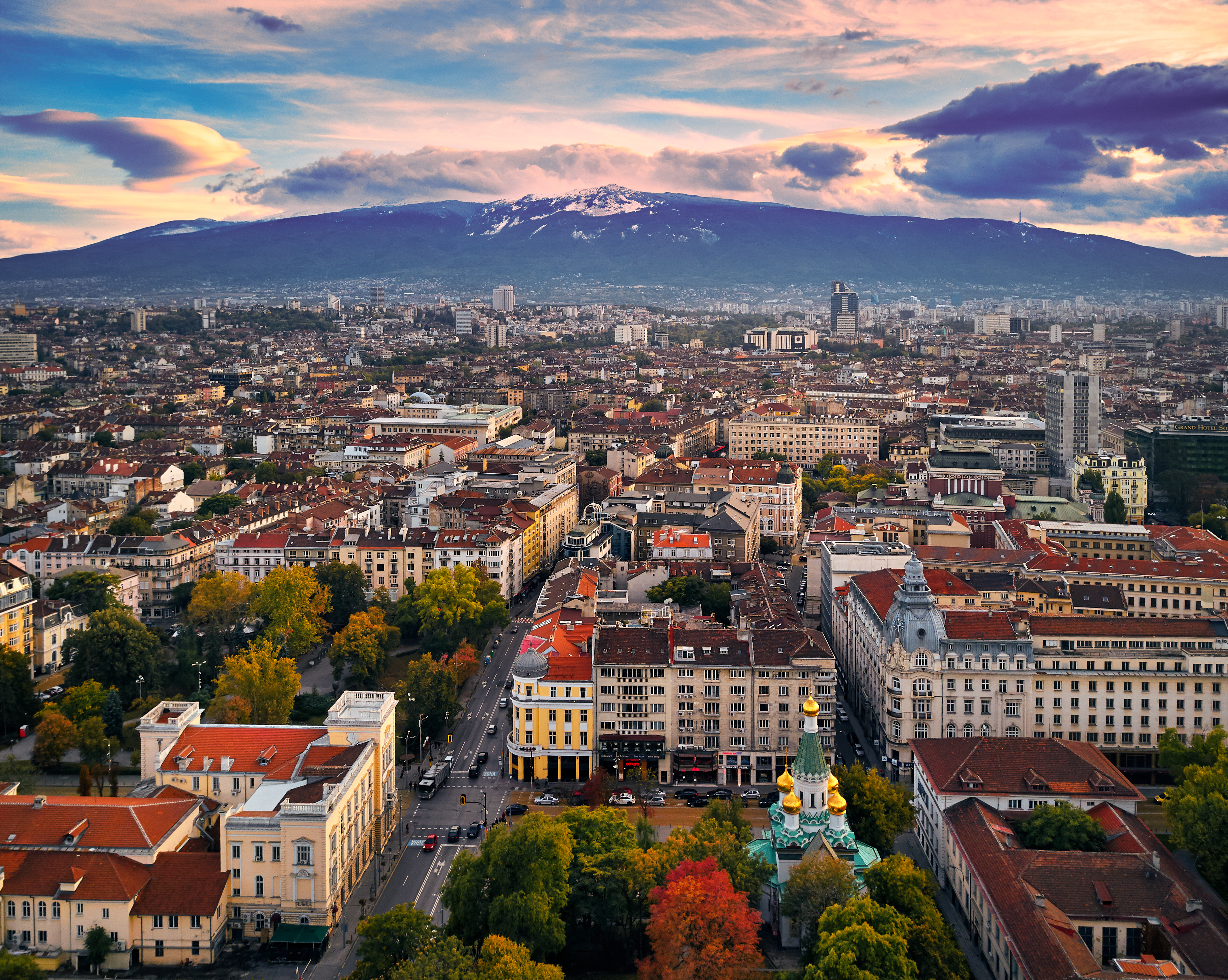
The name Sofia traces its roots to the ancient Greek word 'σοφία' (sophia), meaning 'wisdom'. This philosophical concept was central to ancient Greek thought, particularly in the works of Plato and Aristotle, who explored its multifaceted nature. Historically, the name gained prominence through Saint Sophia, a 2nd-century martyr venerated in both Eastern and Western Christianity, often depicted with her three daughters: Faith, Hope, and Charity. The name's journey also encompasses the ancient Thracian settlement of Serdica, which later became the capital of Bulgaria, Sofia, named in honor of a local church dedicated to Saint Sophia. This dual heritage—philosophical and religious—imbued the name with a deep, enduring significance that has resonated across continents and epochs, influencing its adoption by royalty and commoners alike.
⚙️ How It Works
The 'mechanism' of the name Sofia operates through its cultural transmission and semantic association. As a given name, its function is primarily one of personal identification, but its inherent meaning of 'wisdom' imbues it with a symbolic layer. This symbolic weight is amplified when the name is applied to entities intended to represent intelligence or knowledge, such as artificial intelligence assistants. The 'how it works' for these digital entities involves complex algorithms and vast datasets, designed to process information and respond in a manner that mimics understanding, drawing a direct parallel to the name's etymological core. The name's widespread use in naming these advanced technologies is a testament to its powerful, universally understood connotation of intelligence.
📊 Key Facts & Numbers
Globally, the name Sofia consistently ranks among the top baby names. In the United States, it has been in the top 50 most popular female names for over a decade, reaching as high as #17 in 2020 according to the Social Security Administration. In Russia and other Slavic countries, Sofia has frequently held the #1 spot for newborn girls for years, with over 100,000 girls named Sofia in Russia alone in recent years. The name's popularity is mirrored across Europe, with strong showings in countries like Italy, Spain, and Germany. The number of active AI assistants named Sofia or similar variations is difficult to quantify precisely, but estimates suggest hundreds of millions of devices globally utilize such voice interfaces, with 'Sofia' being a common activation keyword or persona.
👥 Key People & Organizations
Key figures and organizations have propelled the name Sofia into prominence. Saint Sophia, the 2nd-century martyr, is a foundational figure in its religious significance. Royalty, such as Queen Sofia of Spain, have further cemented its regal associations. In the realm of technology, companies like Google and Amazon have leveraged the name's inherent meaning by developing AI assistants, with 'Sofia' being a popular choice for voice recognition personas in various languages and regions. The Bulgarian Ministry of Tourism also promotes its capital city, Sofia, as a destination, linking the name to a significant European capital.
🌍 Cultural Impact & Influence
The cultural impact of the name Sofia is vast, extending from ancient philosophy to modern digital interfaces. Its association with 'wisdom' has made it a favored name for characters in literature and film, often embodying intelligence, grace, or spiritual depth. The capital city of Bulgaria, Sofia, serves as a historical and geographical anchor, linking the name to a rich European heritage. In the digital age, the adoption of 'Sofia' as a name for artificial intelligence assistants by tech giants like Apple (Siri, though not Sofia, represents the trend) and various other developers has amplified its association with knowledge and helpfulness. This ubiquitous presence in both the physical and digital worlds underscores its enduring cultural resonance, making it a name that signifies both ancient virtue and cutting-edge technology.
⚡ Current State & Latest Developments
As of 2024, the name Sofia continues its reign as a top-tier baby name globally, with consistent high rankings in North America, Europe, and parts of South America. In the tech sphere, the development of more sophisticated AI and virtual assistants is ongoing. Companies are increasingly focusing on creating more personalized and context-aware AI personas, and names like Sofia, with their inherent positive connotations, remain attractive choices. The debate around AI personification and naming conventions is also evolving, with discussions on ethics and user perception influencing how these digital entities are branded. The capital city of Sofia, Bulgaria, is also experiencing a resurgence as a tourist destination and a hub for tech startups, further embedding the name in contemporary narratives.
🤔 Controversies & Debates
One significant debate surrounding the name Sofia, particularly in its digital assistant context, revolves around anthropomorphism and user expectation. Critics argue that naming AI 'Sofia' or similar human-like names can mislead users into attributing genuine consciousness or emotion to the technology, potentially blurring ethical lines. Conversely, proponents suggest that such names enhance user engagement and make interactions more intuitive and less sterile. Another point of contention, though less direct, relates to the historical appropriation of names and their meanings across cultures. While 'Sofia' is universally recognized as 'wisdom', its specific cultural and religious contexts, particularly in Eastern Orthodox traditions, sometimes face dilution in broader global usage.
🔮 Future Outlook & Predictions
The future outlook for the name Sofia appears robust, both as a personal name and as a digital persona. Experts predict its continued popularity in baby name charts, driven by its classic appeal and international recognition. In the AI domain, we can anticipate more nuanced and context-specific 'Sofias' – assistants tailored to particular industries or user needs, perhaps even with customizable personalities. The philosophical underpinnings of 'wisdom' will likely continue to be explored in the development of AI, making names like Sofia potent symbols for this ongoing technological and intellectual quest. The capital city's role as a growing European economic and cultural center will also ensure the name's continued visibility on the global stage.
💡 Practical Applications
The practical applications of the name Sofia are diverse. As a given name, it is used for individuals across all walks of life, from artists and scientists to entrepreneurs and educators. In the technological realm, 'Sofia' is frequently employed as the name for voice-activated virtual assistants, found in smart speakers, smartphones, and automotive systems, facilitating tasks like setting reminders, playing music, or providing information. The capital city, Sofia, serves as a major administrative, economic, and transportation hub for Bulgaria and the Balkan region, hosting numerous international businesses and cultural institutions. The name also appears in product branding, often to evoke qualities of elegance, intelligence, or reliability.
Key Facts
- Year
- Ancient Greek origins, widespread modern use
- Origin
- Greece
- Category
- culture
- Type
- concept
Frequently Asked Questions
What is the literal meaning of the name Sofia?
The name Sofia originates from the ancient Greek word 'σοφία' (sophia), which directly translates to 'wisdom'. This meaning has been central to the name's appeal across cultures and throughout history, associating it with intelligence, knowledge, and profound understanding. The philosophical traditions of ancient Greece, particularly the works of thinkers like Plato, deeply explored the concept of sophia, further solidifying its significance.
How did the name Sofia become popular as a given name?
The name's popularity as a given name is largely attributed to its association with Saint Sophia, a 2nd-century martyr. Her veneration in both Eastern and Western Christianity, along with her symbolic daughters Faith, Hope, and Charity, lent the name a spiritual and virtuous dimension. Furthermore, royal families, such as Queen Sofia of Spain, have adopted the name, bestowing upon it an aura of nobility and elegance that has contributed to its widespread adoption across various social strata and geographical regions.
What is the connection between the name Sofia and artificial intelligence?
The name Sofia is frequently used for artificial intelligence assistants due to its inherent meaning of 'wisdom'. Companies like Google and various AI development firms have chosen 'Sofia' or similar variations to personify their digital assistants, aiming to evoke intelligence, helpfulness, and a capacity for understanding. This choice leverages the name's established positive connotations, making the AI seem more approachable and capable. The development of these AI personas is a significant trend in human-computer interaction.
Is Sofia a common name for cities or places?
Yes, the most prominent example is Sofia, the capital city of Bulgaria. Its historical name was Serdica, but it was later renamed Sofia, likely after a 4th-century church dedicated to Saint Sophia. Beyond the capital, the name Sofia appears in various geographical contexts, though often as a given name for individuals associated with those places rather than the primary designation. The SOFIA observatory is another notable entity bearing the name, though in a scientific context.
Are there any controversies associated with the name Sofia?
While the name itself is generally positive, controversies arise primarily in its application, particularly with AI assistants. Debates exist regarding the ethics of anthropomorphizing AI with human names like 'Sofia', which can lead users to attribute consciousness or emotions where none exist. This can raise questions about user manipulation and the blurring of lines between human and machine. Additionally, the global adoption of names can sometimes lead to discussions about cultural appropriation or the dilution of specific historical or religious meanings attached to a name.
What are the key demographic trends for the name Sofia?
Demographically, Sofia has shown remarkable global appeal and staying power. It consistently ranks as a top 10 or top 20 baby name in numerous countries, including the United States, Russia, Italy, Spain, and Germany. This widespread popularity suggests a cross-cultural resonance that transcends specific ethnic or linguistic groups. Its consistent presence in naming charts for over a decade indicates a trend that is not fleeting but rather a sustained preference for the name's sound and meaning.
How has the meaning of 'wisdom' influenced the name's usage in technology?
The direct translation of Sofia to 'wisdom' makes it an almost perfect fit for the branding of artificial intelligence and virtual assistants. Developers aim for these technologies to be intelligent, knowledgeable, and capable of providing insightful responses, mirroring the very essence of wisdom. By naming these systems 'Sofia', companies tap into a universally understood concept, aiming to convey reliability and advanced cognitive capabilities. This strategic naming reinforces the perceived intelligence of the technology, as seen in various digital assistants developed by companies like Amazon and Google.