
Contents
- 🏞️ Introduction to Slovakia
- 🗺️ Geography and Climate
- 🏙️ Major Cities and Towns
- 🏞️ Natural Wonders and Landscapes
- 🏃♀️ Outdoor Activities and Sports
- 🎨 Arts and Culture
- 🍴 Cuisine and Wine
- 🎉 Festivals and Traditions
- 📚 History and Heritage
- 👥 People and Language
- 📊 Economy and Tourism
- 🚀 Future Prospects and Challenges
- Frequently Asked Questions
- Related Topics
Overview
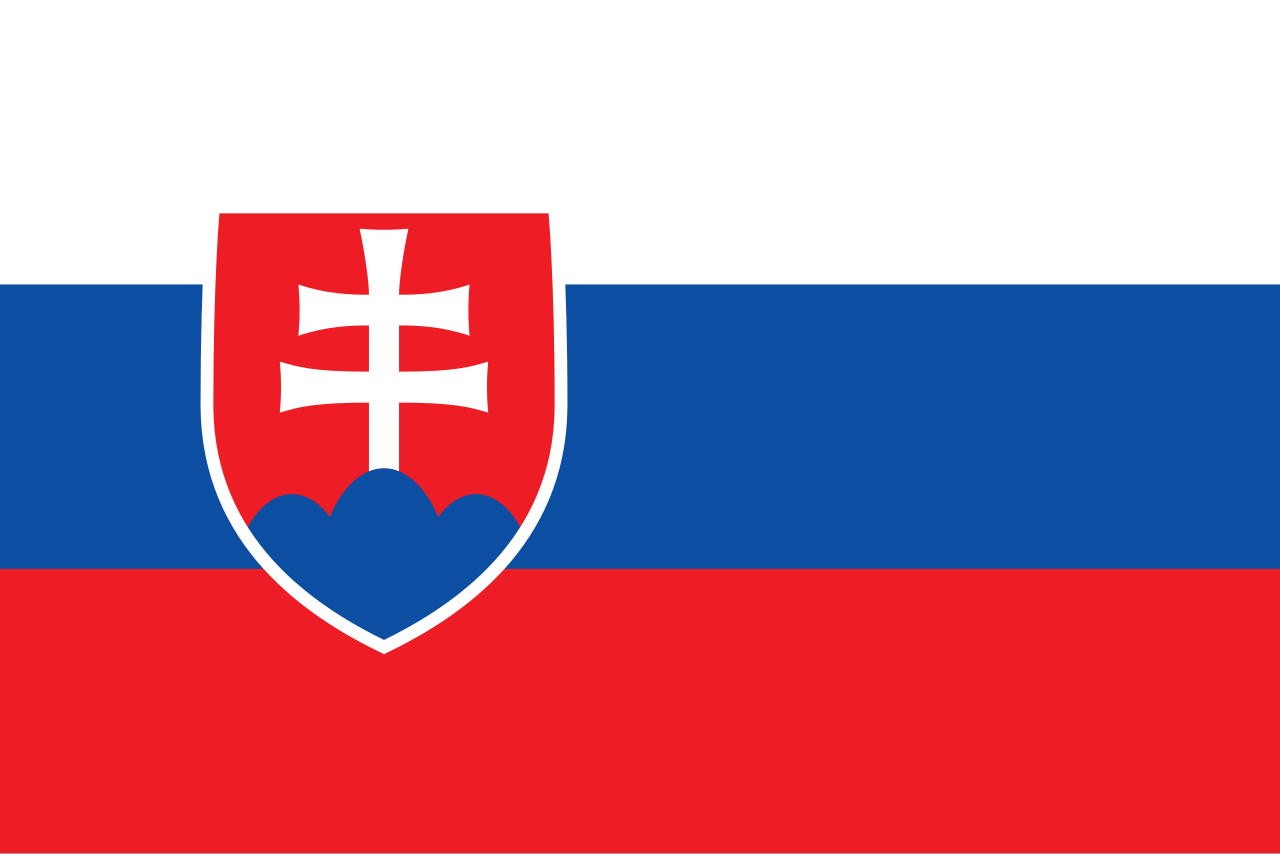
Slovakia, officially the Slovak Republic, is a landlocked country in Central Europe, bordered by Poland to the north, Ukraine to the east, Hungary to the south, Austria to the west, and the Czech Republic to the northwest. With a mostly mountainous territory spanning about 49,000 km2, Slovakia hosts a population exceeding 5.4 million. The capital and largest city is Bratislava, while the second largest city is Košice. Slovakia's unique location at the heart of Europe makes it an attractive destination for tourists and investors alike, with its rich history, diverse culture, and stunning natural beauty. The country's strategic position has also made it an important hub for trade and commerce, with major cities like Bratislava and Košice serving as key economic centers. As a member of the European Union, Slovakia has undergone significant economic and social transformations, with a growing focus on innovation and sustainability. For more information on Slovakia's history and culture, visit the Slovak National Museum or explore the historic city center of Bratislava.
🗺️ Geography and Climate
Slovakia's geography is characterized by its mountainous terrain, with the Carpathian Mountains covering a significant portion of the country. The highest peak is Gerlachovský štít, which stands at 2,655 meters above sea level. The country's climate is temperate, with cold winters and warm summers, making it an ideal destination for outdoor activities like skiing, hiking, and cycling. The scenic beauty of Slovakia's landscapes, including the High Tatras and the Low Tatras, attracts millions of tourists every year. The country's diverse geography has also given rise to a wide range of flora and fauna, with many species found nowhere else in Europe. To learn more about Slovakia's unique ecosystems, visit the Slovak Academy of Sciences or explore the country's many national parks and protected areas.
🏙️ Major Cities and Towns
Slovakia's major cities, such as Bratislava and Košice, offer a unique blend of history, culture, and entertainment. Bratislava, the capital city, is known for its well-preserved medieval old town, while Košice is famous for its stunning St. Elisabeth Cathedral. Other notable cities include Žilina, Nitra, and Trnava, each with its own distinct character and charm. The country's urban centers are also home to a thriving arts and cultural scene, with numerous museums, galleries, and festivals throughout the year. For example, the Bratislava Music Festival showcases the country's rich musical heritage, while the Košice Film Festival highlights the best of Slovak and international cinema.
🏞️ Natural Wonders and Landscapes
Slovakia is home to some of the most beautiful and diverse natural landscapes in Europe, including the High Tatras, the Low Tatras, and the Slovak Paradise national parks. The country's unique geography has created a wide range of ecosystems, from alpine meadows to forests and rivers. Visitors can explore the stunning scenery, go hiking, skiing, or try other outdoor activities like rafting, kayaking, or cycling. The country's natural beauty has also inspired a strong sense of environmentalism, with many initiatives aimed at protecting and preserving Slovakia's unique ecosystems. To learn more about Slovakia's natural wonders, visit the Slovak Environmental Agency or explore the country's many national parks and protected areas.
🏃♀️ Outdoor Activities and Sports
Slovakia offers a wide range of outdoor activities and sports, from skiing and snowboarding in the High Tatras to hiking and cycling in the Slovak Paradise national park. The country's scenic beauty and diverse landscapes make it an ideal destination for nature lovers and adventure seekers. Visitors can also try water sports like rafting, kayaking, or fishing in the country's many rivers and lakes. The country's strong sporting tradition has also given rise to a number of world-class athletes, including Olympic champions and professional soccer players. For example, the Slovak Olympic Committee has played a key role in promoting sports development and excellence in the country.
🎨 Arts and Culture
Slovakia has a rich cultural heritage, with a strong tradition of folk music, dance, and crafts. The country is home to many museums, galleries, and festivals, showcasing its unique history and culture. Visitors can explore the Slovak National Museum in Bratislava, which features a wide range of exhibits on Slovak history, art, and culture. The country's vibrant arts scene is also reflected in its many festivals and events, such as the Bratislava Music Festival and the Košice Film Festival. To learn more about Slovakia's cultural heritage, visit the Slovak Ministry of Culture or explore the country's many cultural institutions and events.
🍴 Cuisine and Wine
Slovak cuisine is a hearty and flavorful blend of traditional dishes, such as goulash, dumplings, and pierogies. The country is also famous for its excellent wine, with many vineyards and wineries producing high-quality wines. Visitors can sample local specialties like bryndzové halúšky (potato dumplings with sheep's milk cheese) or goulash (a hearty beef stew). The country's unique culinary traditions have also been influenced by its geographic location, with many dishes reflecting the cultural exchange between Slovakia and its neighboring countries. For example, the Slovak Culinary Institute offers cooking classes and workshops, where visitors can learn about traditional Slovak cuisine and cooking techniques.
🎉 Festivals and Traditions
Slovakia has a rich tradition of festivals and traditions, with many events taking place throughout the year. The country celebrates its national holidays, such as Slovak Independence Day on January 1st, and Velikonoce (Easter) in the spring. Visitors can also experience the country's vibrant folk culture, with many festivals and events showcasing traditional music, dance, and crafts. The country's strong sense of community and tradition has also given rise to a number of unique customs and practices, such as the Slovak folk dance or the Slovak Easter egg decorating tradition. To learn more about Slovakia's festivals and traditions, visit the Slovak Ministry of Culture or explore the country's many cultural events and festivals.
📚 History and Heritage
Slovakia has a complex and fascinating history, with many significant events and figures shaping the country's development. From the ancient Celts and Romans to the modern-day Slovak Republic, the country has been influenced by many cultures and empires. Visitors can explore the country's rich history by visiting museums, historical sites, and landmarks like Bratislava Castle or the Slovak National Museum. The country's unique history has also given rise to a strong sense of national identity, with many Slovaks taking great pride in their cultural heritage and traditions. For example, the Slovak Historical Society offers guided tours and lectures on Slovak history and culture.
👥 People and Language
Slovakia is a country with a strong sense of community and tradition, with many people still speaking the Slovak language and observing traditional customs and practices. The country's population is predominantly Slovak, with smaller minority groups like the Hungarian and Roma communities. Visitors can experience the country's warm hospitality and welcoming culture by attending local events, trying traditional food and drinks, or simply exploring the country's many towns and villages. The country's unique cultural identity has also been shaped by its geographic location, with many influences from neighboring countries and cultures. To learn more about Slovakia's people and language, visit the Slovak Institute of Languages or explore the country's many cultural institutions and events.
📊 Economy and Tourism
Slovakia has a growing economy, with a strong focus on innovation, technology, and sustainability. The country is a member of the European Union and has undergone significant economic and social transformations in recent years. Visitors can explore the country's modern cities, like Bratislava and Košice, which offer a unique blend of history, culture, and entertainment. The country's strategic location has also made it an important hub for trade and commerce, with many international companies and organizations having operations in Slovakia. For example, the Slovak Investment and Trade Development Agency offers support and resources for businesses looking to invest in the country.
🚀 Future Prospects and Challenges
As Slovakia looks to the future, it faces many challenges and opportunities. The country is committed to sustainable development, with a focus on renewable energy, environmental protection, and social responsibility. Visitors can experience the country's unique blend of tradition and innovation, from its historic cities to its modern technology and design. The country's strong sense of community and national identity has also given rise to a number of initiatives aimed at promoting cultural exchange and understanding, such as the Slovak Culture Fund or the Slovak Tourism Agency. To learn more about Slovakia's future prospects and challenges, visit the Slovak Ministry of Foreign Affairs or explore the country's many initiatives and programs aimed at promoting sustainable development and cultural exchange.
Key Facts
- Year
- 1993
- Origin
- The dissolution of Czechoslovakia on January 1, 1993, marked the beginning of Slovakia as an independent country.
- Category
- Geography and Culture
- Type
- Country
Frequently Asked Questions
What is the capital city of Slovakia?
The capital city of Slovakia is Bratislava. Bratislava is the largest city in Slovakia and is located in the southwestern part of the country, near the borders with Austria and Hungary. The city has a rich history and culture, with many historical landmarks and cultural institutions, such as the Bratislava Castle and the Slovak National Museum.
What is the official language of Slovakia?
The official language of Slovakia is Slovak. Slovak is a Slavic language and is spoken by the majority of the population. Many Slovaks also speak other languages, such as English, German, and Hungarian. The country's unique language and cultural identity have also given rise to a strong sense of national pride and identity.
What is the currency of Slovakia?
The currency of Slovakia is the Euro. Slovakia adopted the Euro as its official currency in 2009, replacing the Slovak koruna. The country's economy has undergone significant transformations in recent years, with a strong focus on innovation, technology, and sustainability. The Euro has also made it easier for tourists and businesses to operate in the country, with many international companies and organizations having operations in Slovakia.
What are the main tourist attractions in Slovakia?
Slovakia has many tourist attractions, including the High Tatras and Low Tatras national parks, the Slovak Paradise national park, and the historic cities of Bratislava and Košice. Visitors can also explore the country's many castles, museums, and cultural institutions, such as the Bratislava Castle and the Slovak National Museum. The country's unique cultural heritage and natural beauty make it an attractive destination for tourists and travelers.
What is the best time to visit Slovakia?
The best time to visit Slovakia depends on the season and the activities you want to do. The summer months (June to August) are ideal for hiking and outdoor activities, while the winter months (December to February) are best for skiing and snowboarding. The spring (March to May) and autumn (September to November) are also great times to visit, with mild weather and fewer tourists. The country's unique geography and climate have also given rise to a number of unique festivals and traditions, such as the Slovak Easter celebrations or the Bratislava Music Festival.
Is Slovakia a safe country to visit?
Yes, Slovakia is generally a safe country to visit. The country has a low crime rate, and visitors can feel safe walking around the cities and towns. However, as with any country, it's always a good idea to take normal precautions to protect yourself and your belongings. The country's strong sense of community and national identity has also given rise to a number of initiatives aimed at promoting safety and security, such as the Slovak Police or the Slovak Emergency Services.
What is the food like in Slovakia?
Slovak cuisine is a hearty and flavorful blend of traditional dishes, such as goulash, dumplings, and pierogies. The country is also famous for its excellent wine, with many vineyards and wineries producing high-quality wines. Visitors can sample local specialties like bryndzové halúšky (potato dumplings with sheep's milk cheese) or goulash (a hearty beef stew). The country's unique culinary traditions have also been influenced by its geographic location, with many dishes reflecting the cultural exchange between Slovakia and its neighboring countries.