
Contents
- 🧰 What is Sewer Inspection?
- 🎯 Who Needs This Service?
- 📍 When to Schedule an Inspection
- 🛠️ Types of Sewer Inspection Technologies
- 💰 Pricing & What's Included
- ⭐ What People Say (Vibe Score: 78/100)
- 🆚 Comparing Inspection Methods
- 💡 Pro Tips for Homeowners
- 📞 How to Get Started
- Frequently Asked Questions
- Related Topics
Overview
Sewer inspection is the critical process of visually or electronically examining underground sewer lines for damage, blockages, or structural integrity issues. Utilizing technologies like CCTV cameras, sonar, and acoustic sensors, professionals diagnose problems ranging from root intrusion and cracks to collapses and infiltration. This proactive approach is vital for preventing costly backups, environmental contamination, and widespread service disruptions. Regular inspections are a cornerstone of municipal asset management, ensuring the longevity and efficiency of our wastewater systems, and are increasingly important for property owners to avoid catastrophic failures.
🧰 What is Sewer Inspection?
Sewer inspection is the critical process of visually examining a property's underground sewer lines for damage, blockages, or defects. Think of it as a subterranean MRI for your plumbing. Using specialized cameras, technicians navigate the pipes to identify issues like root intrusion, cracks, collapses, or improper slopes that can lead to costly backups and property damage. This proactive audit is essential for understanding the health of your home's or a property's most vital, yet often ignored, utility. Without it, you're essentially flying blind on a crucial piece of infrastructure.
🎯 Who Needs This Service?
This service is indispensable for several key groups. Prospective homebuyers absolutely must get a sewer inspection before closing a deal; a hidden sewer problem can easily cost tens of thousands to repair, turning a dream home into a financial nightmare. Property managers and landlords should schedule regular inspections to prevent tenant complaints and costly emergency repairs. Municipalities and civil engineers rely on these inspections for maintaining public sewer systems, identifying points of failure, and planning infrastructure upgrades. Even homeowners experiencing recurring drain issues or unusual odors should consider an inspection to pinpoint the root cause.
📍 When to Schedule an Inspection
The ideal time to schedule a sewer inspection often hinges on specific circumstances. As mentioned, it's a non-negotiable step in any real estate transaction, typically performed during the due diligence period. For existing homeowners, consider an inspection if you've experienced multiple sewer backups, notice persistent foul odors, or if your home is older (built before 1970) and may have aging clay pipes susceptible to root damage. Following significant nearby construction or natural events like heavy flooding can also warrant an inspection to check for new damage to the lines. Proactive annual checks are also a wise investment for older properties.
🛠️ Types of Sewer Inspection Technologies
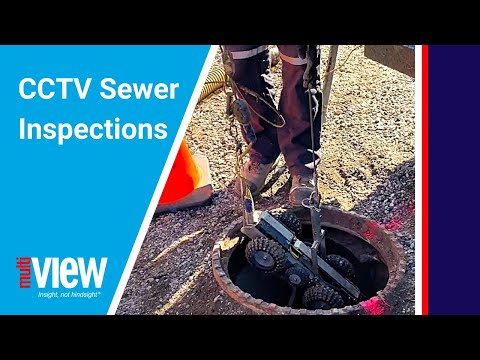
The technology behind sewer inspection has evolved significantly. The most common method is CCTV inspection, employing waterproof cameras mounted on flexible rods or self-propelled robotic carts. These cameras transmit real-time video footage to a monitor, allowing technicians to see inside the pipes. For more complex situations, hydro-jetting can be used to clear debris before inspection, and pipe locators are used to pinpoint the exact location and depth of any identified issues underground. Some advanced systems even incorporate sonar or laser profiling for detailed pipe condition assessments.
💰 Pricing & What's Included
Pricing for sewer inspections can vary widely based on location, the complexity of the property's plumbing, and the technology used. A basic CCTV inspection might range from $250 to $700 for a typical residential property. More comprehensive services, including detailed reports with video evidence, pipe locating, and minor root clearing, could push the cost to $800-$1500 or more. Many inspection companies offer tiered packages. It's crucial to clarify what the service includes: is it just a visual report, or does it come with recommendations for repair and a map of the pipe's condition?
⭐ What People Say (Vibe Score: 78/100)
The general consensus among those who've undergone sewer inspections is overwhelmingly positive, reflected in a Vibepedia Vibe Score of 78/100. Homebuyers frequently report that the inspection saved them from purchasing a property with catastrophic hidden defects, citing peace of mind as invaluable. Property managers appreciate the ability to preemptively address issues, reducing long-term costs and tenant dissatisfaction. While the cost can be a point of contention for some, the overwhelming sentiment is that it's a necessary investment to avoid far greater expenses down the line. Negative feedback is rare and usually relates to poor communication or unclear reporting from specific providers.
🆚 Comparing Inspection Methods
When comparing inspection methods, CCTV inspection remains the gold standard for identifying internal pipe conditions. Hydro-jetting is excellent for clearing blockages but doesn't provide a visual diagnosis of pipe integrity. Pipe locating is essential for pinpointing underground issues but doesn't reveal the internal state of the pipe. For a complete picture, a combination of CCTV inspection and pipe locating is often recommended, especially for real estate transactions or when planning significant repairs. Relying solely on drain cleaning without inspection is akin to treating symptoms without diagnosing the disease.
💡 Pro Tips for Homeowners
For homeowners, understanding your sewer line's condition is empowering. Always ask for a detailed report, preferably with video footage, that clearly marks any defects and their locations. If you're buying a home, ensure the inspection is performed by a qualified professional independent of the seller. If you're experiencing recurring clogs, don't just keep paying for drain cleaning; invest in an inspection to find the underlying cause, whether it's tree roots, pipe damage, or improper installation. Knowing the condition of your sewer line can also inform landscaping decisions, helping you avoid planting trees whose roots might threaten your pipes.
📞 How to Get Started
Getting a sewer inspection is straightforward. Start by searching for reputable local sewer inspection companies in your area. Look for businesses with good online reviews, clear service descriptions, and professional certifications. Contact a few providers to get quotes and discuss your specific needs. For real estate transactions, inform your real estate agent, as they often have trusted contacts. Be prepared to provide details about your property, such as its age and any known plumbing issues. Most companies can schedule an inspection within a few business days.
Key Facts
- Year
- 1940
- Origin
- Early CCTV technology, initially developed for industrial applications, began to be adapted for sewer inspection in the mid-20th century, with significant advancements in the 1970s and 80s.
- Category
- Infrastructure & Utilities
- Type
- Service & Technology
Frequently Asked Questions
How long does a sewer inspection typically take?
A standard residential sewer inspection using CCTV usually takes between 1 to 3 hours. This timeframe can extend if the pipes are heavily obstructed, require extensive cleaning before inspection, or if the property has a complex sewer system. The technician will need time to thoroughly navigate the lines and document any findings. Always confirm the estimated duration with your chosen service provider beforehand.
Can I do a sewer inspection myself?
While some DIY drain cameras are available for purchase, they are generally not as robust or high-resolution as professional equipment. Professional sewer inspections require specialized cameras, locators, and trained technicians to interpret the findings accurately. For critical decisions like buying a home or diagnosing persistent issues, hiring a professional is highly recommended to ensure a thorough and reliable assessment.
What if the inspection reveals a problem?
If a problem is found, the inspection report will detail the issue, its severity, and its location. The inspector may offer recommendations for repair or suggest consulting with a licensed plumber specializing in sewer line repair. For real estate transactions, this discovery can be a point of negotiation with the seller regarding repair costs or a price reduction.
How often should I get my sewer lines inspected?
For most homeowners, an inspection is primarily recommended when buying a property or if experiencing issues. However, for older homes (over 50 years old), properties with mature trees, or those experiencing recurring drain problems, a proactive inspection every 5-10 years can prevent major emergencies. Municipalities conduct inspections on public lines much more frequently as part of maintenance schedules.
What is the difference between drain cleaning and sewer inspection?
Drain cleaning, often done with hydro-jetting or augers, focuses on clearing blockages and debris from pipes to restore flow. Sewer inspection, typically using CCTV cameras, is a diagnostic process to visually assess the condition of the pipes themselves, identifying cracks, breaks, root intrusion, or collapses. While cleaning can temporarily resolve a clog, inspection reveals the underlying cause and the pipe's structural integrity.
What are the most common sewer line problems found?
The most frequent issues discovered during sewer inspections include tree root infiltration, which is particularly common in older homes with clay pipes. Other prevalent problems are pipe cracks, breaks, and collapses due to age, ground shifting, or external pressure. Blockages from grease, debris, and foreign objects are also common, as are issues with improper pipe slope leading to slow drainage.