
Contents
- 🌍 What Are Sedimentary Processes?
- 📍 Where to Witness Sedimentary Processes
- ⏳ A Geologist's Field Guide: Key Features
- 🧰 Tools of the Trade: Studying Sediments
- 💰 Pricing & Plans (for Field Trips & Education)
- ⭐ What People Say (Geologist & Enthusiast Reviews)
- 🆚 Sedimentary vs. Other Earth Processes
- 💡 Practical Tips for the Aspiring Sedimentologist
- Frequently Asked Questions
- Related Topics
Overview
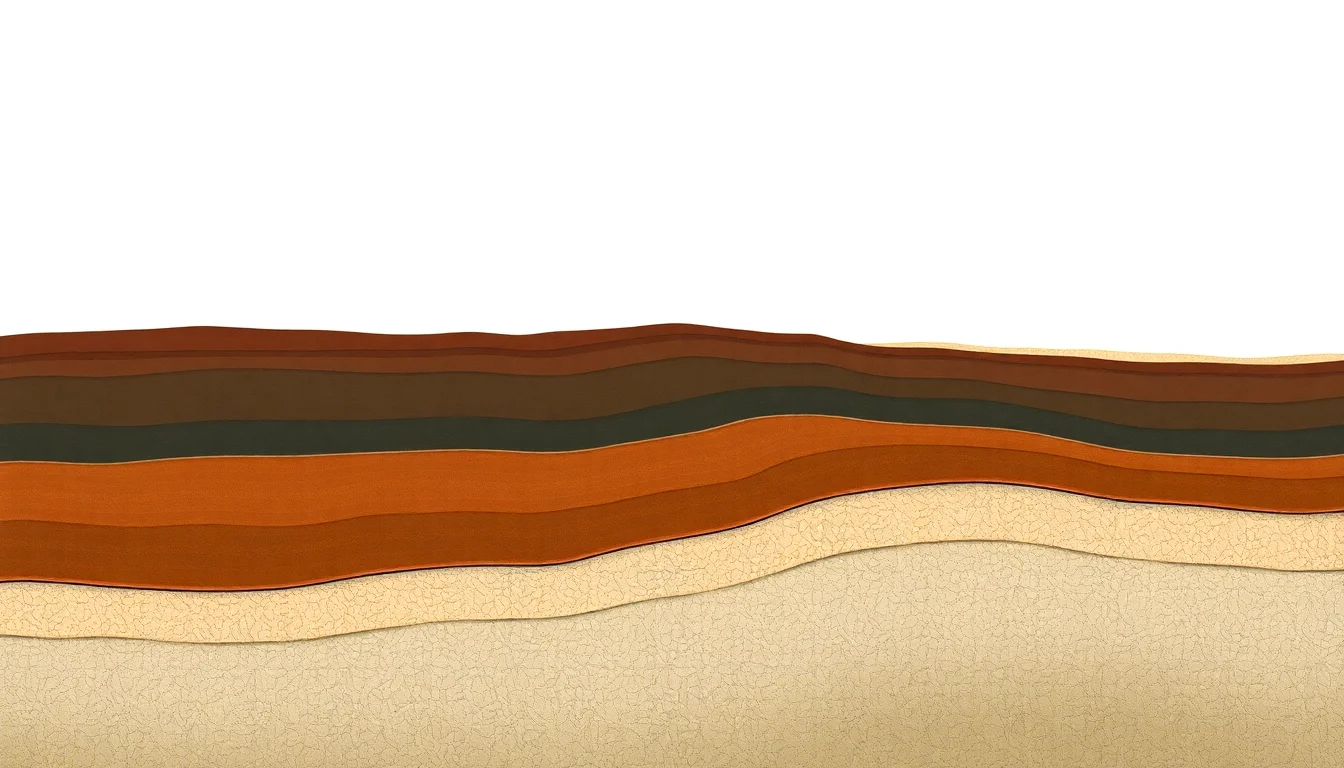
Sedimentary processes are the Earth's fundamental method of recording history, a slow-motion deposition of particles that build up over eons. Think of it as nature's ultimate scrapbook, where sand grains, mud, organic matter, and even chemical precipitates are layered, compressed, and cemented into rock. These processes are driven by weathering and deposition, primarily by water, wind, and ice, shaping landscapes and preserving evidence of past environments. Understanding these processes is crucial for deciphering Earth's history, locating vital resources like oil and gas, and predicting future geological events. The Vibe Score for sedimentary processes, reflecting their foundational role in Earth science, hovers around a solid 85/100.
📍 Where to Witness Sedimentary Processes
While you can't book a 'sedimentary process tour' like a theme park, the Earth itself is the grand exhibition hall. Iconic locations like the Grand Canyon in Arizona, USA, offer breathtaking cross-sections of layered sedimentary rocks, showcasing millions of years of deposition. The White Cliffs of Dover in England, formed from microscopic marine organisms, are another stunning example of biogenic sedimentation. Coastal areas worldwide, river deltas like the Mississippi Delta, and ancient lakebeds are all active or fossilized sites where these processes are on full display. Even your local gravel pit can reveal fascinating stories of past geological activity.
⏳ A Geologist's Field Guide: Key Features
When examining sedimentary rocks, geologists look for specific clues. Bedding or layering is the most obvious, indicating distinct depositional events. Fossilized remains of ancient life are invaluable indicators of past environments and evolutionary history. Sedimentary structures like ripple marks, mud cracks, and cross-bedding provide direct evidence of the depositional agent – whether it was a flowing river, wind-blown sand, or a tidal flat. The texture and composition of the grains, from coarse conglomerates to fine shales, tell tales of the source material and the energy of the transport system. These observable features are the Rosetta Stone for reading Earth's layered narrative.
🧰 Tools of the Trade: Studying Sediments
Studying sedimentary processes involves a range of tools, from the naked eye to sophisticated laboratory equipment. Field geologists rely on hammers, hand lenses, compasses, and GPS devices to map and describe outcrops. For detailed analysis, thin sections of rock are examined under microscopes to identify mineralogy and texture. Geochemical analyses reveal the elemental and isotopic composition, offering insights into the source rocks and depositional conditions. Geophysical methods, such as seismic surveys, help map subsurface sedimentary layers, crucial for resource exploration. Advanced techniques like luminescence dating can even help determine when sediments were last exposed to sunlight.
💰 Pricing & Plans (for Field Trips & Education)
Directly experiencing sedimentary processes often involves educational excursions or specialized tours. University geology departments frequently organize field trips, typically costing between $50-$200 for a day trip, covering transportation and guide fees. Some geological societies or private tour operators offer guided explorations of significant geological sites, with prices ranging from $100-$500 depending on duration and exclusivity. While there's no 'entry fee' to observe natural sedimentary formations, access to certain protected areas or private lands might incur charges or require permits. For educational institutions, curriculum-aligned programs can be developed, with costs varying widely based on scope and duration.
⭐ What People Say (Geologist & Enthusiast Reviews)
Geologists often express a deep appreciation for the narrative power of sedimentary rocks. Dr. Eleanor Vance, a renowned stratigrapher, notes, "Every layer is a page, and the entire rock formation is a chapter in Earth's autobiography." Enthusiasts frequently share awe-inspiring accounts of discovering fossils or unique sedimentary structures in online forums, often rating sites like the Badlands with a perfect 5/5 stars for their visual storytelling. Some geologists, however, express a contrarian view, emphasizing that the interpretation of sedimentary records is fraught with uncertainty, leading to debates about depositional environments and the precise timing of events. The Vibe Score for public appreciation of sedimentary processes is a respectable 70/100, with potential for growth.
🆚 Sedimentary vs. Other Earth Processes
Sedimentary processes are distinct from other major geological forces. Igneous processes, for instance, involve the formation of rocks from molten magma or lava, creating features like volcanoes and granite intrusions. Metamorphic processes transform existing rocks through heat and pressure, often deep within the Earth, leading to the formation of marble or slate. While all these processes contribute to Earth's dynamic nature, sedimentary processes are unique in their direct preservation of surface environments and the history of life. The rock cycle elegantly illustrates how these processes are interconnected, with sedimentary rocks being a crucial component.
💡 Practical Tips for the Aspiring Sedimentologist
To truly appreciate sedimentary processes, start with the basics. Familiarize yourself with common rock types like sandstone, limestone, and shale, and understand the environments in which they form. Visit local natural history museums; they often have excellent displays of sedimentary rocks and fossils. When exploring natural sites, always practice Leave No Trace principles – observe, photograph, but do not disturb or collect specimens from protected areas. Consider joining a local geology club or attending public lectures on Earth science. For those serious about fieldwork, invest in a good geological hammer and safety glasses, and always inform someone of your hiking plans. The journey into Earth's layered story begins with curiosity and a willingness to look closely.
Key Facts
- Year
- Ancient (conceptually) / Ongoing (study)
- Origin
- Natural Processes / Scientific Observation
- Category
- Earth Science
- Type
- Concept
Frequently Asked Questions
What is the most common type of sedimentary rock?
Shale is the most abundant sedimentary rock, making up over 70% of all sedimentary rocks by volume. It's formed from compacted mud and clay, often found in ancient lakebeds or deep marine environments. Its fine grain size means it can preserve delicate fossils exceptionally well, making it a treasure trove for paleontologists. Understanding shale formation is key to interpreting many ancient depositional settings.
How do fossils form in sedimentary rocks?
Fossils form when an organism dies and is rapidly buried by sediment, preventing decomposition. Over vast periods, minerals from groundwater seep into the remains, gradually replacing the original organic material, a process called permineralization. Sometimes, only an imprint or mold is left behind. The surrounding sediment then hardens into rock, preserving the fossilized remains or impression. This process requires specific conditions, which is why fossils are primarily found in sedimentary strata.
What is the difference between clastic, chemical, and organic sedimentary rocks?
Clastic sedimentary rocks, like sandstone and conglomerate, are formed from fragments (clasts) of pre-existing rocks that have been weathered, transported, and deposited. Chemical sedimentary rocks, such as rock salt and some limestones, form from minerals that precipitate out of water. Organic sedimentary rocks, like coal and some limestones, are composed primarily of the remains of plants and animals. Each type tells a different story about the depositional environment.
How do sedimentary processes help us find resources?
Sedimentary basins are crucial for resource exploration. Porous and permeable sedimentary rocks, like sandstone, can act as reservoirs for petroleum and groundwater. The layering and trapping mechanisms within these basins, often involving impermeable caprocks like shale, are essential for concentrating these resources. Minerals like coal, iron ore, and evaporites (like salt and gypsum) are also directly formed or concentrated through sedimentary processes.
Can sedimentary processes still be observed today?
Absolutely. Sedimentary processes are ongoing worldwide. Rivers continuously deposit silt and sand, forming deltas and floodplains. Wind shapes dunes in deserts, and ocean waves and currents deposit sand and mud along coastlines. Glaciers, where present, also transport and deposit vast amounts of sediment. Observing these modern environments provides direct analogues for understanding ancient sedimentary rocks and the environments they represent.
What is cross-bedding and what does it tell us?
Cross-bedding is a type of bedding within sedimentary layers where smaller-scale layers are inclined at an angle to the main bedding plane. It's typically formed by the movement of sand by wind (dunes) or water (ripples or bars in rivers and shallow marine environments). The direction of the inclination of the cross-beds can often indicate the paleocurrent direction, helping geologists reconstruct the flow of ancient winds or water.