
Contents
- 🎵 Origins & History
- ⚙️ How It Works
- 📊 Key Facts & Numbers
- 👥 Key People & Organizations
- 🌍 Cultural Impact & Influence
- ⚡ Current State & Latest Developments
- 🤔 Controversies & Debates
- 🔮 Future Outlook & Predictions
- 💡 Practical Applications
- 📚 Related Topics & Deeper Reading
- Frequently Asked Questions
- References
- Related Topics
Overview
Scripted television refers to any television content featuring fictional narratives, characters, and dialogue, as opposed to unscripted reality shows or documentaries. This encompasses a vast array of genres, including drama, comedy, sci-fi, fantasy, and crime procedurals, produced for broadcast, cable, and streaming platforms. Its evolution from early anthology dramas like The Philco Television Playhouse in the 1940s to the serialized, high-budget productions of today, such as Game of Thrones and Stranger Things, reflects significant technological, economic, and creative shifts. The industry involves a complex ecosystem of writers, actors, directors, producers, and studios, generating billions in revenue annually and shaping global cultural conversations. The advent of streaming services like Netflix and HBO Max has further fragmented audiences and altered production models, leading to unprecedented creative freedom and intense competition for viewer attention.
🎵 Origins & History
The genesis of scripted television can be traced back to the nascent days of broadcasting in the late 1930s and early 1940s. Early programming often mirrored live theater, with anthology series like The Philco Television Playhouse (1948-1955) and Studio One (1948-1958) bringing dramatic narratives to living rooms. These shows, often broadcast live from New York City, relied on the immediacy of the medium and the talent of stage actors. The transition to filmed television in the 1950s, pioneered by shows like I Love Lucy (1951-1957) using the three-camera setup, allowed for greater production control, syndication, and the development of more enduring, serialized formats. This era laid the groundwork for the sitcom and the dramatic serial, establishing narrative conventions that persist today.
⚙️ How It Works
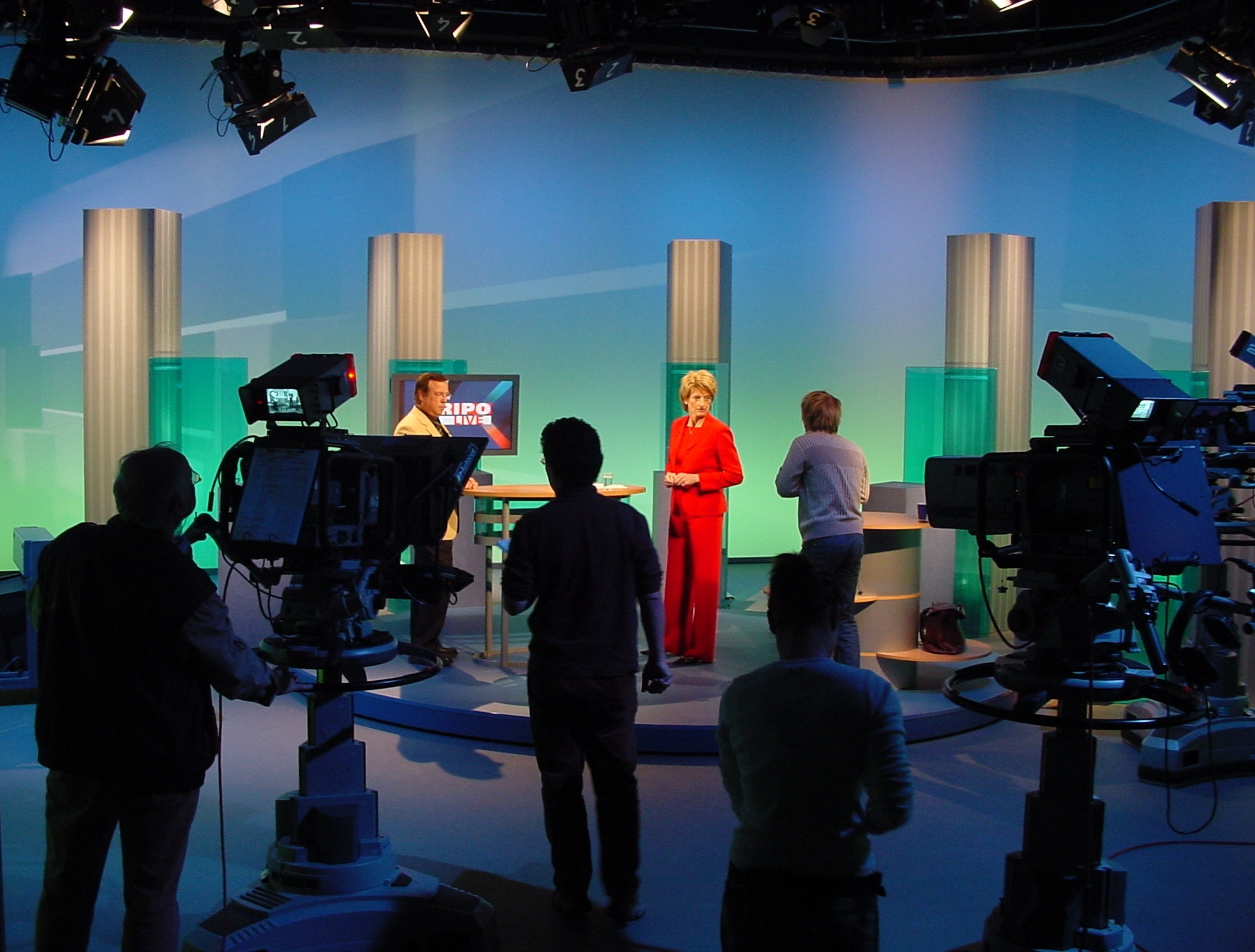
At its core, scripted television production is a collaborative process involving numerous specialized roles. It begins with a script, developed by screenwriters, outlining dialogue, action, and scene descriptions. This is then brought to life by a director, who guides actors and the cinematographer to capture the visual narrative. Production typically occurs on sound stages or on location, utilizing multiple cameras for efficiency and flexibility. Post-production involves editing, sound mixing, and visual effects, culminating in the final episode. The distribution model has evolved dramatically, from over-the-air broadcast networks like CBS and NBC to cable channels like HBO and, most recently, streaming platforms such as Amazon Prime Video and Apple TV+.
📊 Key Facts & Numbers
The global scripted television market is a colossal economic engine, projected to reach over $300 billion by 2027, according to various industry analyses. In 2023 alone, the production of scripted content in the United States generated an estimated $100 billion in economic activity. Streaming services now account for a significant portion of viewership, with Netflix reporting over 270 million paid subscribers worldwide as of early 2024. The average cost of producing a single episode of a high-end drama can range from $5 million to over $15 million, with shows like The Mandalorian reportedly exceeding $15 million per episode. This massive investment fuels a competitive landscape where content is king, driving innovation and demand for talent.
👥 Key People & Organizations
Key figures in scripted television span decades of innovation and artistic achievement. Writers like Rod Serling, creator of The Twilight Zone (1959-1964), redefined speculative fiction on television. Producers such as Shonda Rhimes have built empires with hit dramas like Grey's Anatomy and Scandal. Actors like Lucille Ball became household names through iconic sitcoms, while contemporary stars like Zendaya command massive salaries for their roles in shows like Euphoria. Major studios and networks like Warner Bros. Discovery, Paramount Global, and Disney+ are the primary production and distribution entities, shaping the industry's output and business models.
🌍 Cultural Impact & Influence
Scripted television has profoundly shaped global culture, influencing language, fashion, social norms, and political discourse. Iconic shows like The Sopranos (1999-2007) are credited with ushering in the 'Golden Age of Television,' elevating the medium to an art form comparable to cinema. Series like The Wire (2002-2008) have been lauded for their nuanced social commentary, while comedies like Seinfeld (1989-1998) have introduced catchphrases into everyday vernacular. The rise of binge-watching, popularized by Netflix, has altered viewing habits, creating shared cultural moments around series releases and fostering intense fan engagement on platforms like Reddit.
⚡ Current State & Latest Developments
The current landscape of scripted television is defined by intense competition and the ongoing consolidation of media power. Major streaming services are increasingly focusing on original content to retain subscribers, leading to a surge in production. However, the industry is also grappling with the aftermath of the 2023 WGA strike and SAG-AFTRA strike, which highlighted concerns over fair compensation, residuals, and the impact of AI on creative work. The proliferation of niche streaming services, alongside the dominance of giants like Netflix and Disney+, creates a complex ecosystem for both creators and consumers. The integration of live sports and advertising into streaming platforms, a strategy championed by Amazon Prime Video, signals a potential shift away from the ad-free model.
🤔 Controversies & Debates
The debate surrounding scripted television often centers on issues of representation, artistic integrity, and the economic model of production and distribution. Critics frequently point to a lack of diversity in on-screen talent and behind-the-scenes creative teams, although significant progress has been made in recent years. The impact of streaming on traditional broadcast and cable models remains a contentious point, with concerns about the decline of local news and the fragmentation of the audience. Furthermore, the increasing reliance on data analytics to greenlight projects raises questions about whether creative risks are being prioritized over guaranteed commercial success. The ethical implications of using AI in scriptwriting and content generation, particularly regarding copyright and authorship, are also a growing area of concern.
🔮 Future Outlook & Predictions
The future of scripted television is likely to be shaped by continued technological innovation and evolving consumer behavior. Expect further integration of interactive elements and personalized viewing experiences, potentially driven by advancements in virtual reality and augmented reality. The battle for subscriber attention will intensify, leading to more platform consolidation or the emergence of new, specialized streaming services. The economic models will continue to adapt, with a greater emphasis on hybrid approaches that blend subscription, advertising, and transactional video-on-demand. The role of AI in the creative process will undoubtedly expand, posing both opportunities for efficiency and challenges to human authorship, a trend that will be closely watched by writers' guilds and industry regulators alike.
💡 Practical Applications
Scripted television's primary application is entertainment, providing narrative escapism and emotional engagement for audiences worldwide. Beyond pure leisure, it serves as a powerful medium for social commentary, cultural exploration, and historical reflection. Shows can educate viewers on complex issues, foster empathy for diverse perspectives, and even influence public opinion on policy matters. For example, medical dramas like ER (1994-2009) have been credited with increasing public awareness of health issues, while historical dramas can bring past events to life for a new generation. Furthermore, the industry itself is a significant economic driver, creating jobs for writers, actors, directors, crew members, and countless support staff.
Key Facts
- Year
- 1940s-Present
- Origin
- United States
- Category
- culture
- Type
- concept
Frequently Asked Questions
What's the difference between scripted and unscripted television?
Scripted television features fictional narratives, characters, and dialogue that are pre-written and performed by actors, such as dramas and comedies. Unscripted television, conversely, relies on reality, improvisation, or documentary-style formats, including reality shows, game shows, and documentaries. While scripted shows follow a set script, unscripted content often involves real people in unscripted situations, though it may be heavily edited or produced. The distinction is crucial for understanding production methods, creative intent, and audience expectations.
How did early television dramas differ from today's?
Early television dramas, particularly those from the 1940s and 1950s like Studio One, were often broadcast live, featuring a more theatrical style with limited sets and camera movements. They typically followed an anthology format, with a different story and cast each week. Today's scripted television, especially on streaming platforms, emphasizes serialized storytelling with complex character arcs spanning multiple seasons, high production values akin to feature films, and sophisticated visual effects. The shift from live broadcast to filmed and digitally distributed content has enabled greater narrative depth and visual ambition.
What is the economic significance of the scripted television industry?
The scripted television industry is a multi-billion dollar global enterprise, generating substantial economic activity through production, distribution, and talent. In the U.S. alone, it contributes tens of billions of dollars annually, supporting a vast ecosystem of jobs for writers, actors, directors, crew, and post-production professionals. The rise of streaming services has further fueled this growth, leading to increased investment in original content. This economic engine not only provides entertainment but also drives innovation in technology and creative industries, making it a critical sector of the modern economy.
What are the main challenges facing scripted television creators today?
Creators today face challenges including intense competition for audience attention across numerous platforms, pressure to create content that can go viral, and evolving compensation models, particularly concerning streaming residuals. The 2023 strikes by the WGA and SAG-AFTRA highlighted concerns over fair pay in the streaming era and the potential impact of AI on creative jobs. Navigating the complex rights and distribution landscape, especially with media consolidation, also presents significant hurdles for independent creators and smaller studios.
How has streaming changed the way scripted shows are made and watched?
Streaming has fundamentally altered scripted television by enabling serialized narratives with complex, long-form storytelling that was difficult to sustain on traditional broadcast schedules. It has also led to a surge in original content production, offering creators more creative freedom and opportunities. For viewers, streaming popularized 'binge-watching,' allowing entire seasons to be consumed at once, and has led to a fragmented viewing landscape with countless niche services. This shift has also impacted advertising models and the economics of residuals for performers and writers.
What role does diversity and representation play in modern scripted television?
Diversity and representation have become increasingly critical focal points in modern scripted television, driven by audience demand and a growing awareness of social equity. There's a concerted effort to feature more diverse casts, explore a wider range of cultural experiences, and ensure representation behind the camera among writers, directors, and producers. While significant progress has been made, debates continue regarding authentic storytelling, avoiding tokenism, and achieving equitable representation across all levels of the industry. This push for inclusivity is not only a social imperative but also a strategic business decision, as diverse content often resonates with broader global audiences.
What are the predictions for the future of scripted television content?
The future of scripted television is expected to involve greater personalization, with algorithms potentially tailoring content or viewing experiences to individual preferences. Interactive storytelling, where viewers can influence plotlines or character choices, may become more prevalent, leveraging advancements in technology. We'll likely see continued globalization of content, with more international productions gaining mainstream traction. Furthermore, the integration of AI into the creative process, from script generation to character animation, is anticipated to grow, though its ultimate impact on human creativity remains a subject of intense discussion and potential regulation.