
Contents
Overview
The roots of scenic design stretch back to ancient Greek theatre, where rudimentary backdrops and architectural elements like the skene served to denote location and character. Renaissance Italy, however, is widely credited with formalizing the discipline. The development of the proscenium arch theatre further solidified the importance of elaborate, painted scenery. The 19th century saw the rise of the 'director-as-artist,' with figures like Richard Wagner advocating for a unified artistic vision where scenery played a crucial role. The early 20th century brought innovations like Adolphe Appia and Edward Gordon Craig's move towards more abstract, sculptural, and light-integrated designs, shifting focus from mere backdrop to an active participant in the drama. This evolution transformed scenery from a static element into a dynamic force shaping the performance's atmosphere and meaning.
⚙️ How It Works
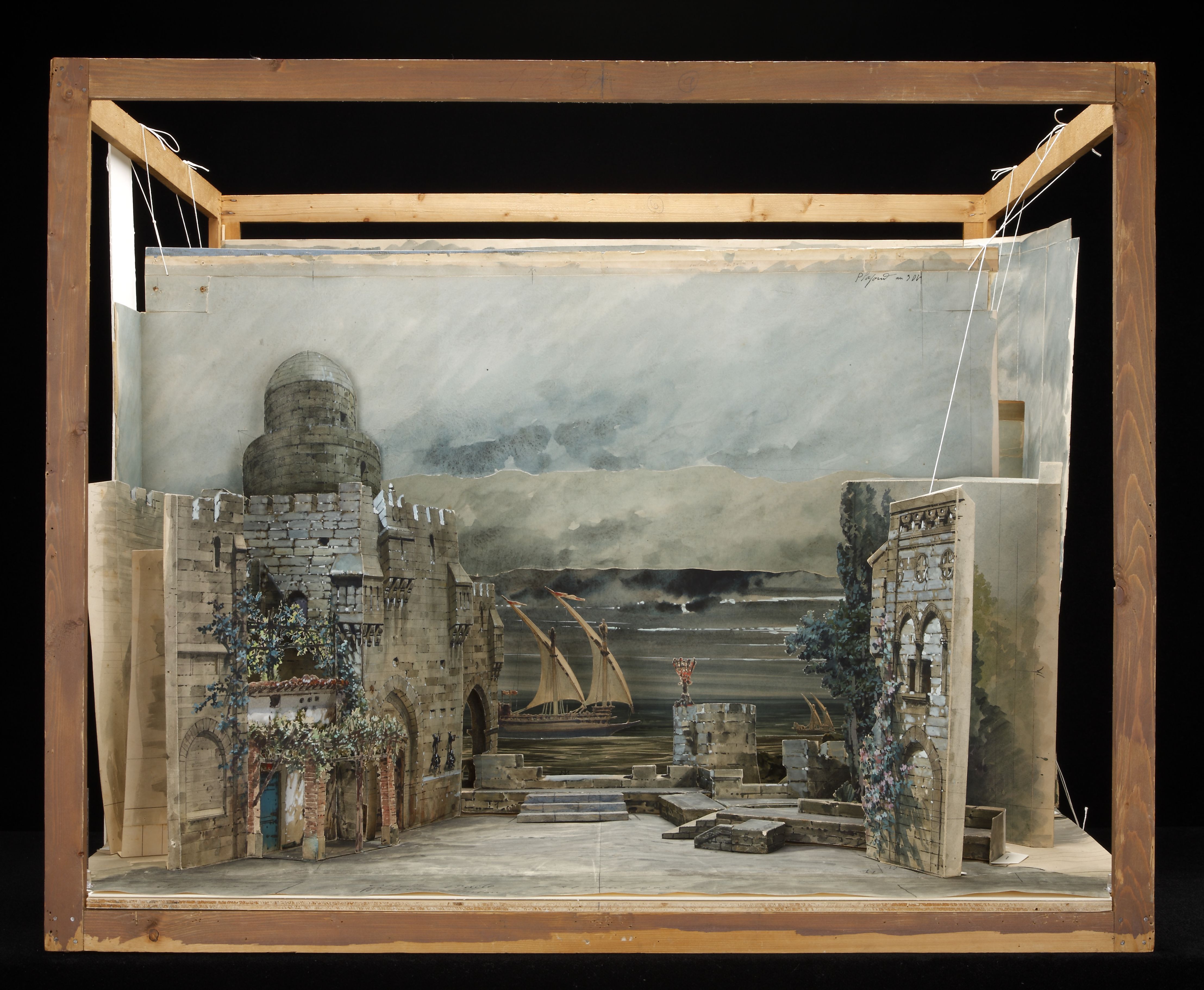
At its core, scenic design involves translating a script or concept into a three-dimensional physical space. The process begins with extensive research and collaboration, typically with the director, playwright, and lighting designer. The designer develops a visual concept, often through sketches, mood boards, and scale models, to establish the world of the production. This involves considering the play's setting, time period, mood, and thematic elements. Technical drawings, including floor plans, elevations, and construction details, are then created for the technical director and construction crew. Material selection, budget constraints, and the practicalities of stage mechanics (like fly systems and revolves) are critical considerations. The final set must not only look appropriate but also function effectively for the actors and the demands of the production, often requiring a deep understanding of structural engineering and stagecraft.
📊 Key Facts & Numbers
The global theatre and live performance market, a primary domain for scenic design, is a significant industry. Broadway productions can have elaborate set designs. In film and television, the role of production design (which encompasses scenic design) is equally vital. The average budget for a major Hollywood film can be substantial, with set construction and decoration often accounting for a significant portion of that. The average salary for a scenic designer in the US can vary dramatically based on experience, project scale, and location. A single theatrical production might involve numerous craftspeople, including carpenters, painters, and prop masters, all working under the scenic designer's guidance.
👥 Key People & Organizations
Pioneers like Adolphe Appia and Edward Gordon Craig revolutionized early 20th-century stage design with their emphasis on light, form, and psychological depth, moving away from literalism. In American theatre, Jo Mielziner designed iconic sets for productions like Death of a Salesman and The King and I, known for his evocative use of light and suggestive settings. For film, Cedric Gibbons shaped the visual aesthetic of countless classic Hollywood films. Contemporary influential designers include Es Devlin, known for her large-scale, technologically advanced installations for artists like Adele and U2. Organizations like the United States Institute for Theatre Technology (USITT) and the Society of British Theatre Designers (SBTD) are crucial professional bodies supporting and advancing the field.
🌍 Cultural Impact & Influence
Scenic design profoundly shapes how audiences experience narratives, influencing emotional responses and thematic understanding. The stark, minimalist sets of Samuel Beckett's plays, for instance, amplify the existential dread and isolation central to his work. Conversely, the opulent and fantastical environments created for musicals like The Phantom of the Opera contribute significantly to their immersive appeal and enduring popularity. In cinema, the meticulous world-building by production designers like Rick Heinrichs (known for Star Wars: The Last Jedi) or Patrice Vermette (for Dune) transports viewers to alien worlds or historical periods, making the fantastical feel tangible. The visual language established by scenic design can become as iconic as the characters or dialogue, embedding itself in cultural memory and influencing subsequent artistic trends across various media, from video game environments to virtual reality experiences.
⚡ Current State & Latest Developments
The integration of digital technologies is rapidly transforming scenic design. Augmented reality (AR) and virtual reality (VR) are increasingly used for design visualization, virtual set building, and even as elements within live performances. Projection mapping and LED screens are now commonplace, allowing for dynamic, adaptable scenery that can change instantly, offering possibilities previously unimaginable. Designers are also exploring sustainable practices, seeking eco-friendly materials and construction methods to minimize the environmental impact of large-scale productions. The rise of streaming services has also led to a demand for more sophisticated and visually distinct sets in television production, blurring the lines between stage and screen aesthetics. Furthermore, the increasing complexity of stage machinery and automation requires designers to possess a more robust understanding of robotics and computer-aided design (CAD) software.
🤔 Controversies & Debates
One persistent debate revolves around the balance between a designer's artistic vision and the director's ultimate authority. While modern designers are increasingly seen as co-creators, disagreements can arise over conceptual direction, budget allocation, or the practical feasibility of ambitious designs. Another point of contention is the role of realism versus abstraction; some argue that overly literal sets can stifle imagination, while others believe abstract designs can alienate audiences. The economic pressures of the industry also spark debate, particularly regarding the sustainability of high-budget productions and the fair compensation of designers and craftspeople. Furthermore, the increasing reliance on digital technologies raises questions about the future of traditional craft skills and the potential for technological obsolescence, alongside discussions about accessibility and the cost of implementing cutting-edge solutions.
🔮 Future Outlook & Predictions
The future of scenic design points towards even greater integration of technology and interactivity. Expect to see more productions utilizing holograms, AI-generated content for set elements, and immersive environments that respond to audience presence or input. The concept of the 'digital twin' of a physical set, allowing for real-time manipulation and simulation, will likely become more prevalent. As metaverse platforms evolve, scenic designers may find new avenues for creating virtual performance spaces and experiences. Sustainability will continue to be a driving force, pushing innovation in material science and modular, reusable set constructi
💡 Practical Applications
Scenic design has numerous practical applications beyond traditional theatre and film. It is integral to architectural visualization, where designers create realistic 3D models of buildings and spaces. In event planning, scenic elements are crucial for creating themed environments for conferences, concerts, and parties. Theme parks and museums rely heavily on scenic design to build immersive attractions and exhibits. Even in retail design, the principles of scenic design are used to create engaging and attractive store layouts and displays. The development of video game environments and virtual reality experiences also draws heavily on the skills and aesthetics of scenic design, creating believable and captivating digital worlds.
Key Facts
- Category
- aesthetics
- Type
- topic