
Contents
Overview
Robotic systems represent a sophisticated fusion of engineering, computer science, and artificial intelligence, dedicated to the creation of machines capable of performing tasks autonomously or semi-autonomously. These systems are characterized by their ability to sense their environment, process information, make decisions, and execute physical actions, ranging from intricate manipulation to large-scale locomotion. The field spans diverse applications, including manufacturing, healthcare, exploration, and domestic assistance, with the ultimate aim of augmenting human capabilities and automating complex processes. The global market for robotics is experiencing rapid expansion and profound economic impact. Key to their operation are components like actuators for movement, sensors for environmental awareness, and sophisticated control algorithms, often powered by machine learning, which enable adaptability and learning.
🎵 Origins & History
The conceptual roots of robotic systems stretch back to ancient myths of artificial beings, but the modern era of robotics truly began with the industrial revolution and the advent of automated machinery. Early pioneers laid the groundwork for automated manufacturing. The term 'robot' itself, coined by Czech writer Karel Čapek in his 1920 play R.U.R. (Rossum's Universal Robots), captured the public imagination, though it initially carried a more dystopian connotation of enslaved artificial laborers. The 1960s saw the establishment of the first industrial robot installations, marking a pivotal moment in industrial automation. Subsequent decades witnessed rapid advancements in artificial intelligence, sensor technology, and computer vision, enabling more complex and versatile robotic systems.
⚙️ How It Works
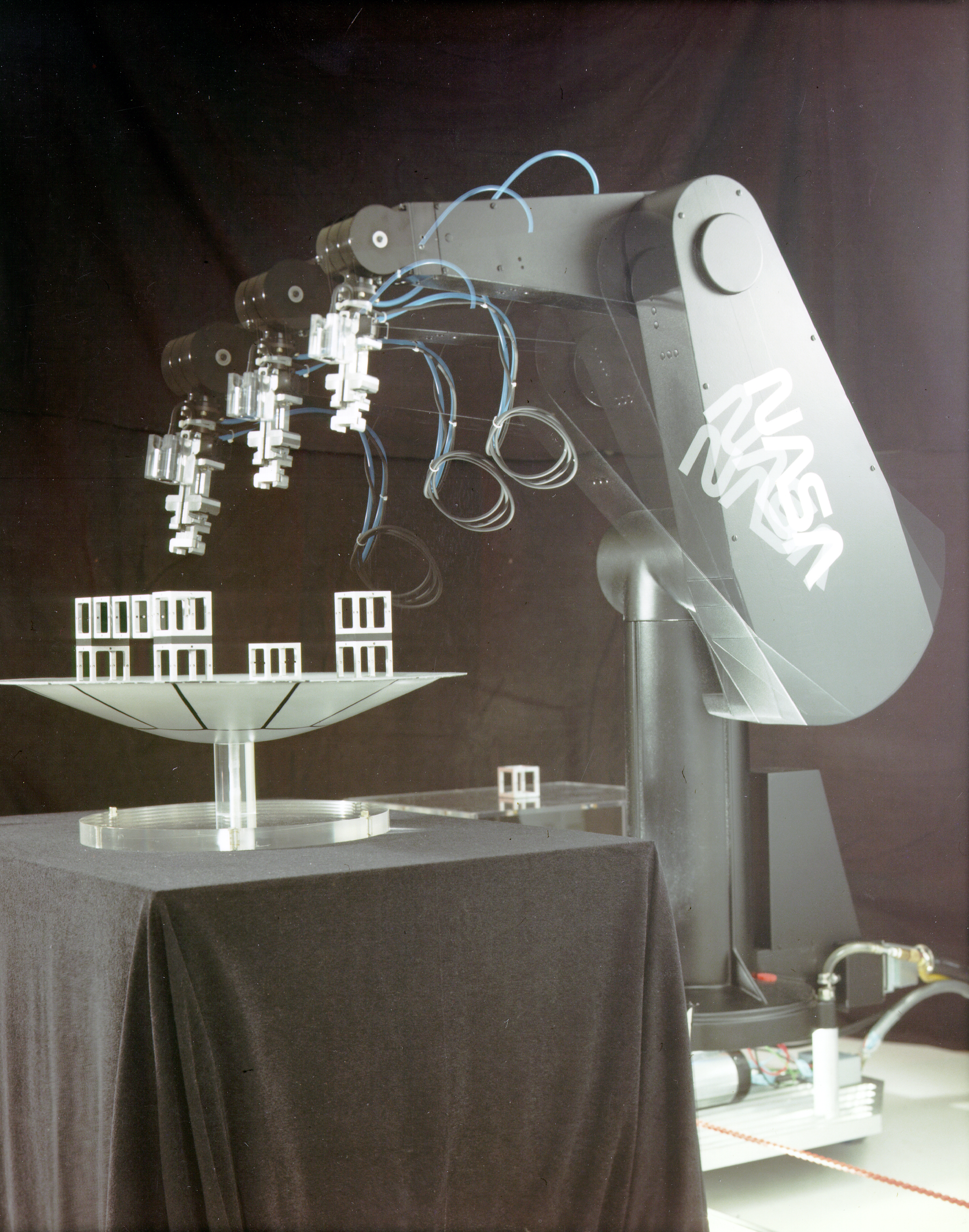
At their core, robotic systems are integrated assemblies designed for interaction with the physical world. They typically comprise a power source, a mechanical structure, sensors for perception (such as cameras, lidar, and tactile sensors), actuators (motors and servos) for movement, and a control system. This control system, often a sophisticated embedded system running specialized software, processes sensor data to interpret the environment and execute programmed tasks. Advanced robotic systems leverage machine learning algorithms to learn from experience, adapt to changing conditions, and perform tasks that were previously beyond their capabilities, such as navigating complex terrains or performing delicate surgical procedures. The interplay between hardware components and intelligent software defines the system's operational capacity and autonomy.
📊 Key Facts & Numbers
The global robotics market is a colossal and rapidly expanding sector. Industrial robots account for a significant portion of installations worldwide. The automotive industry remains a major consumer of robot installations. Service robots, encompassing medical, logistics, and domestic applications, are experiencing even faster growth. Leading hubs for robot manufacturing and adoption include the United States, China, and Japan.
👥 Key People & Organizations
The landscape of robotic systems is shaped by a constellation of visionary individuals and influential organizations. Joseph Engelberger, often hailed as the 'father of robotics,' co-founded Unimation Inc. and was instrumental in commercializing the first industrial robots. Rodney Brooks, a former director of the MIT CSAIL, pioneered behavior-based robotics and co-founded iRobot Corporation, known for its Roomba vacuum cleaner. Major players in the industry include FANUC Corporation, a Japanese giant in industrial automation; KUKA AG, a German manufacturer of industrial robots and automated systems; and Boston Dynamics, renowned for its advanced legged robots like Spot and Atlas. Research institutions like Stanford University and Carnegie Mellon University are also critical in driving innovation through cutting-edge research.
🌍 Cultural Impact & Influence
Robotic systems have permeated culture and society, influencing everything from industrial production lines to science fiction narratives. The depiction of robots in films like Star Wars (R2-D2 and C-3PO) and I, Robot has shaped public perception, often oscillating between utopian visions of helpful companions and dystopian fears of technological takeover. In manufacturing, robots have revolutionized efficiency and precision, leading to increased productivity but also sparking debates about job displacement. The integration of robots into healthcare, exemplified by da Vinci Surgical Systems, has enhanced surgical precision and patient outcomes. Furthermore, the development of autonomous vehicles, a complex form of robotic system, promises to reshape transportation and urban planning, raising questions about safety, ethics, and societal adaptation.
⚡ Current State & Latest Developments
The current state of robotic systems is characterized by rapid advancements in deep learning, enhanced sensor fusion, and the increasing deployment of collaborative robots, or 'cobots,' designed to work alongside humans. Companies like Universal Robots are at the forefront of the cobot revolution, making automation more accessible to small and medium-sized enterprises. The development of dexterous manipulation, particularly for tasks requiring fine motor skills, is a major focus, with breakthroughs in soft robotics and compliant actuators. Furthermore, the integration of edge computing allows robots to process data locally, reducing latency and enabling faster decision-making in real-time applications. The ongoing exploration of Mars by rovers like Perseverance showcases the cutting edge of autonomous robotic systems in extreme environments.
🤔 Controversies & Debates
The ethical implications and societal impact of robotic systems are subjects of intense debate. Concerns about widespread job displacement due to automation, particularly in sectors like manufacturing and logistics, are prominent. The development of autonomous weapons systems raises profound ethical questions about accountability and the future of warfare. Bias in AI algorithms used to control robots can perpetuate and amplify societal inequalities, a critical issue highlighted by researchers at AI Now Institute. The question of robot rights and consciousness, once confined to science fiction, is beginning to enter philosophical discussions as AI capabilities advance. Ensuring that robotic systems are developed and deployed responsibly, with human well-being as a primary consideration, remains a significant challenge.
🔮 Future Outlook & Predictions
The future of robotic systems points towards increased autonomy, enhanced human-robot collaboration, and broader integration into daily life. We can anticipate robots becoming more adept at complex, unstructured environments, moving beyond controlled factory floors into homes, hospitals, and public spaces. Advances in neuromorphic computing and bio-inspired robotics may lead to systems with unprecedented adaptability and efficiency. The 'Internet of Robotic Things' (IoRT) is emerging, connecting robots and enabling them to share data and coordinate actions, creating intelligent ecosystems. By 2035, it's projected that robots could perform up to 30% of tasks currently done by humans, necessitating proactive societal adjustments in education, employment, and social support systems.
💡 Practical Applications
Robotic systems have a vast array of practical applications across numerous industries. In manufacturing, they perform repetitive, dangerous, or precision-intensive tasks like welding, assembly, and painting, exemplified by systems from ABB and Yaskawa Electric. In healthcare, robotic surgery systems like the da Vinci Surgical System enable minimally invasive procedures, while robotic exoskeletons assist in rehabilitation. Logistics and warehousing benefit from autonomous mobile robots (AMRs) that optimize inventory management and order fulfillment. In agriculture, robots are used for precision planting, harvesting, and monitoring crop health. Even in our homes, robotic systems like iRobot's Roomba and advanced robotic lawnmowers are becoming commonplace, automating domestic chores.
Key Facts
- Category
- technology
- Type
- topic