
Robot | Vibepedia
The concept of robots dates back to ancient Greece, with the first recorded robot, the Antikythera mechanism, created around 100 BCE. However, the modern…
Contents
Overview
The concept of robots dates back to ancient Greece, with the first recorded robot, the Antikythera mechanism, created around 100 BCE. However, the modern robot era began in the 1950s with the introduction of the first industrial robot, Unimate, by George Devol in 1956. Since then, robots have become an integral part of various industries, including manufacturing, healthcare, and transportation. With the rise of artificial intelligence, robots are becoming increasingly sophisticated, with the ability to learn and adapt to new situations. The global robotics market is projected to reach $135 billion by 2025, with companies like Boston Dynamics, NVIDIA, and Amazon Robotics leading the charge. As robots continue to advance, they are expected to significantly impact the job market, with some estimates suggesting that up to 30% of jobs could be automated by 2030, sparking debates about the future of work and the need for a universal basic income.
🤖 Introduction to Robots
The concept of robots has been around for decades, with the term 'robot' being coined by the Czech playwright Karel Čapek in his 1920 play R.U.R. (Rossum's Universal Robots). Since then, robots have evolved significantly, from simple machines to complex systems capable of performing a wide range of tasks. Today, robots are used in various industries, including manufacturing, healthcare, and transportation, and are becoming increasingly integrated into our daily lives. For example, Boston Dynamics has developed robots like Atlas and Spot, which can perform tasks that require a high level of agility and balance. The use of robots in industries such as manufacturing and logistics has also increased efficiency and reduced costs.
📈 History of Robotics
The history of robotics dates back to the early 20th century, when the first robots were developed. One of the first robots was the Unimate, a robotic arm that was used in a General Motors assembly line in 1961. Since then, robots have become more advanced and sophisticated, with the development of microprocessors and other technologies. The introduction of the microprocessor in the 1970s revolutionized the field of robotics, enabling the creation of more complex and autonomous systems. The development of artificial intelligence and machine learning has also played a significant role in the advancement of robotics, enabling robots to learn from experience and adapt to new situations.
🤔 Types of Robots
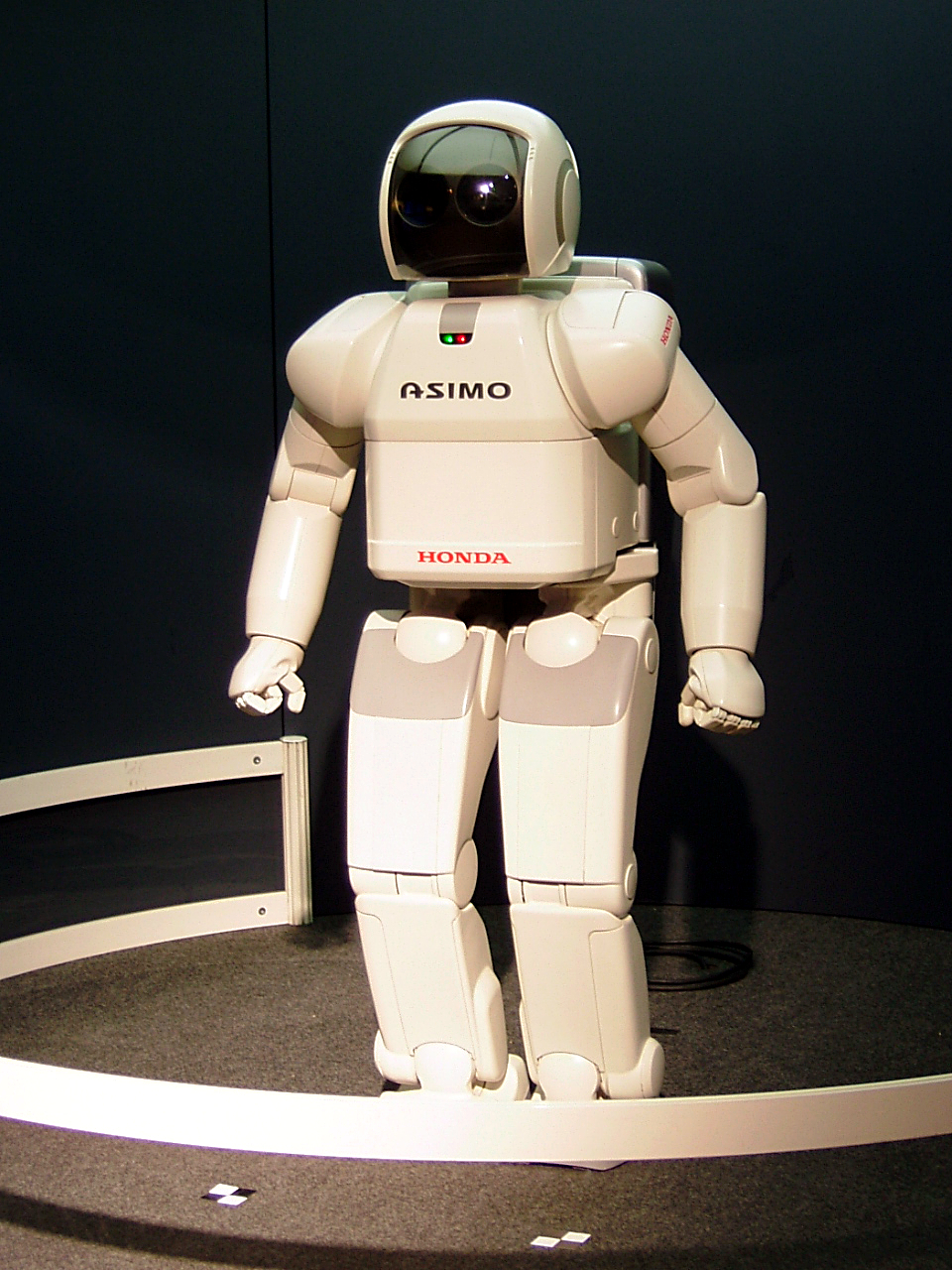
There are several types of robots, including humanoid robots, which are designed to resemble humans, and task-performing robots, which are designed to perform specific tasks. Humanoid robots, such as Honda's ASIMO, are designed to interact with humans and can perform tasks such as walking and running. Task-performing robots, on the other hand, are designed to perform specific tasks, such as assembly or welding, and are often used in industries such as manufacturing and construction. For example, KUKA Robotics offers a range of task-performing robots that can be used in various industries, including automotive and aerospace.
📊 Robot Components
A robot consists of several components, including a control system, actuators, and sensors. The control system is the brain of the robot and is responsible for processing information and making decisions. Actuators are the muscles of the robot and are responsible for moving the robot's limbs or performing other actions. Sensors are the eyes and ears of the robot and are responsible for detecting and interpreting data from the environment. For example, LIDAR sensors are used in many robots to detect and navigate their surroundings. The use of computer vision and machine learning algorithms has also enabled robots to interpret and understand visual data from their environment.
💻 Programming Robots
Programming robots involves writing code that tells the robot what to do and how to do it. There are several programming languages that can be used to program robots, including C++, Java, and Python. The choice of programming language depends on the specific requirements of the robot and the task it is designed to perform. For example, ROS (Robot Operating System) is a popular programming framework for robots that provides a set of tools and libraries for building and programming robots. The use of simulation tools, such as Gazebo, has also enabled developers to test and debug their robot code in a virtual environment.
🎯 Robot Applications
Robots have a wide range of applications, from manufacturing and logistics to healthcare and transportation. In manufacturing, robots are used to perform tasks such as assembly, welding, and painting. In logistics, robots are used to sort and package goods. In healthcare, robots are used to perform tasks such as surgery and patient care. For example, Intuitive Surgical has developed a robotic system for surgery that enables doctors to perform complex procedures with greater precision and accuracy. The use of robots in agriculture has also increased efficiency and reduced costs, enabling farmers to automate tasks such as planting and harvesting.
🚀 Future of Robotics
The future of robotics is exciting and rapidly evolving. Advances in technologies such as artificial intelligence, machine learning, and computer vision are enabling robots to become more autonomous and capable of performing complex tasks. The development of 5G networks has also enabled robots to communicate with each other and with humans in real-time, enabling new applications such as remote control and teleoperation. For example, Verizon has developed a 5G network that enables robots to communicate with each other and with humans in real-time, enabling new applications such as remote control and teleoperation.
🤝 Human-Robot Interaction
Human-robot interaction is an important area of research, as robots become more integrated into our daily lives. There are several challenges associated with human-robot interaction, including safety, communication, and trust. To address these challenges, researchers are developing new technologies and interfaces that enable humans and robots to interact more effectively. For example, MIT has developed a robotic system that enables humans and robots to collaborate on tasks such as assembly and manufacturing. The use of natural language processing and human-computer interaction has also enabled robots to understand and respond to human commands and requests.
📊 Robot Safety and Security
Robot safety and security is an important area of concern, as robots become more autonomous and capable of performing complex tasks. There are several risks associated with robots, including accidents, cyber attacks, and data breaches. To address these risks, researchers are developing new technologies and protocols that enable robots to operate safely and securely. For example, UL (Underwriters Laboratories) has developed a set of standards for robot safety that provides guidelines for manufacturers and users. The use of encryption and access control has also enabled robots to protect sensitive data and prevent unauthorized access.
👥 Robot Ethics and Governance
Robot ethics and governance is an important area of research, as robots become more integrated into our daily lives. There are several ethical concerns associated with robots, including privacy, autonomy, and accountability. To address these concerns, researchers are developing new frameworks and guidelines that enable robots to operate ethically and responsibly. For example, IEEE has developed a set of guidelines for robot ethics that provides guidelines for manufacturers and users. The use of transparency and accountability has also enabled robots to operate in a more transparent and responsible manner.
📚 Conclusion and References
In conclusion, robots are complex systems that are capable of performing a wide range of tasks. From manufacturing and logistics to healthcare and transportation, robots are becoming increasingly integrated into our daily lives. As robots become more autonomous and capable of performing complex tasks, it is important to address the challenges associated with robot safety, security, and ethics. By developing new technologies and frameworks that enable robots to operate safely, securely, and responsibly, we can ensure that robots are used for the benefit of society. For more information, see Robotics and Artificial Intelligence.
Key Facts
- Year
- 1956
- Origin
- United States
- Category
- Technology
- Type
- Technology
Frequently Asked Questions
What is a robot?
A robot is a machine, especially one programmable via a computer, capable of automatically carrying out a complex series of actions. Robots can be guided by an external or internal control device and may be humanoid or task-performing machines. For example, Honda's ASIMO is a humanoid robot that can perform tasks such as walking and running. Task-performing robots, on the other hand, are designed to perform specific tasks, such as assembly or welding, and are often used in industries such as manufacturing and construction.
What are the applications of robots?
Robots have a wide range of applications, from manufacturing and logistics to healthcare and transportation. In manufacturing, robots are used to perform tasks such as assembly, welding, and painting. In logistics, robots are used to sort and package goods. In healthcare, robots are used to perform tasks such as surgery and patient care. For example, Intuitive Surgical has developed a robotic system for surgery that enables doctors to perform complex procedures with greater precision and accuracy.
What is the future of robotics?
The future of robotics is exciting and rapidly evolving. Advances in technologies such as artificial intelligence, machine learning, and computer vision are enabling robots to become more autonomous and capable of performing complex tasks. The development of 5G networks has also enabled robots to communicate with each other and with humans in real-time, enabling new applications such as remote control and teleoperation. For example, Verizon has developed a 5G network that enables robots to communicate with each other and with humans in real-time, enabling new applications such as remote control and teleoperation.
What are the challenges associated with human-robot interaction?
There are several challenges associated with human-robot interaction, including safety, communication, and trust. To address these challenges, researchers are developing new technologies and interfaces that enable humans and robots to interact more effectively. For example, MIT has developed a robotic system that enables humans and robots to collaborate on tasks such as assembly and manufacturing. The use of natural language processing and human-computer interaction has also enabled robots to understand and respond to human commands and requests.
What are the risks associated with robots?
There are several risks associated with robots, including accidents, cyber attacks, and data breaches. To address these risks, researchers are developing new technologies and protocols that enable robots to operate safely and securely. For example, UL (Underwriters Laboratories) has developed a set of standards for robot safety that provides guidelines for manufacturers and users. The use of encryption and access control has also enabled robots to protect sensitive data and prevent unauthorized access.
What are the ethical concerns associated with robots?
There are several ethical concerns associated with robots, including privacy, autonomy, and accountability. To address these concerns, researchers are developing new frameworks and guidelines that enable robots to operate ethically and responsibly. For example, IEEE has developed a set of guidelines for robot ethics that provides guidelines for manufacturers and users. The use of transparency and accountability has also enabled robots to operate in a more transparent and responsible manner.
How can robots be used in agriculture?
Robots can be used in agriculture to automate tasks such as planting, harvesting, and crop monitoring. For example, John Deere has developed a robotic system for farming that enables farmers to automate tasks such as planting and harvesting. The use of drones and satellite imagery has also enabled farmers to monitor their crops and detect issues such as pests and diseases.