
Contents
Overview
Refrigeration is the process of removing heat from a confined space to lower its temperature, a fundamental technology underpinning global food supply, medicine, and industrial processes. Its history stretches from rudimentary ice harvesting to sophisticated vapor-compression systems developed in the 19th century, driven by pioneers like Jacob Perkins and Carl von Linde. Modern refrigeration relies on thermodynamic cycles, often using refrigerants like HFCs or newer, more environmentally friendly alternatives, to transfer heat. The 'cold chain' it enables is critical for preserving perishable goods, extending shelf life, and ensuring the efficacy of vaccines and pharmaceuticals, with an estimated global market value exceeding $100 billion annually. Debates persist around refrigerant environmental impact, energy efficiency, and the equitable access to this essential technology.
🧊 What is Refrigeration?
Refrigeration, at its most fundamental, is the process of artificially lowering and maintaining the temperature of a space or substance below its surroundings. Think of it as a controlled subtraction of heat. This isn't about passive cooling; it's an active, human-engineered intervention essential for modern life. Without it, our food would spoil rapidly, medicines would lose efficacy, and countless industrial processes would grind to a halt. It's the silent, often invisible, force enabling global commerce and public health.
🔬 The Science Behind the Chill
The magic behind refrigeration lies in thermodynamics, specifically the principles of vapor-compression refrigeration and absorption refrigeration. Vapor-compression systems, the most common type, use a refrigerant fluid that cycles through evaporation (absorbing heat) and condensation (releasing heat). This cycle, driven by a compressor, effectively pumps heat out of the desired space. Absorption systems, often used where waste heat is abundant, achieve a similar effect through a chemical process involving an absorbent and a refrigerant. Understanding these thermodynamic cycles is key to appreciating the engineering marvel.
🚢 The Cold Chain: From Farm to Table (and Beyond)
The 'cold chain' is the interconnected series of refrigerated production, storage, and distribution activities. It's the lifeline for perishable goods, ensuring that everything from fresh produce and dairy to vaccines and blood plasma reaches consumers and patients safely. This chain involves refrigerated warehouses, reefer containers on ships and trains, and temperature-controlled trucks. A break in this chain, even for a short period, can lead to significant spoilage and economic loss, highlighting its critical importance in global supply chains.
💡 Key Innovations & Milestones
The history of refrigeration is a fascinating journey. Early methods relied on natural ice harvested in winter and stored in ice houses, a practice dating back centuries. The first mechanical refrigeration systems emerged in the early 19th century, with Jacob Perkins patenting a vapor-compression system in 1834. Key milestones include the development of chlorofluorocarbons (CFCs) in the 1920s, which revolutionized home refrigeration but later proved environmentally damaging, and the subsequent development of hydrofluorocarbons (HFCs) and newer, more sustainable refrigerants. The invention of the domestic refrigerator by Alfred Mellowes in 1913 marked a turning point for household convenience.
🌍 Global Impact & Economic Significance
Globally, refrigeration underpins a staggering amount of economic activity. The market for refrigeration and air conditioning equipment alone is valued in the hundreds of billions of dollars annually. It's indispensable for the food industry, enabling the global trade of fresh and frozen goods, and for the pharmaceutical sector, ensuring the viability of temperature-sensitive drugs and vaccines. The logistics and transportation industry relies heavily on refrigerated transport to maintain product integrity across vast distances.
⚠️ Challenges & Controversies
Despite its benefits, refrigeration faces significant challenges. The primary concern is the environmental impact of refrigerants, many of which are potent greenhouse gases. The Montreal Protocol (1987) and subsequent amendments have phased out ozone-depleting substances, but their replacements, like HFCs, still contribute to global warming. Energy consumption is another major issue; refrigeration systems are significant energy users, contributing to carbon emissions. Furthermore, ensuring equitable access to reliable refrigeration, particularly in developing nations, remains a persistent hurdle.
🚀 The Future of Cold
The future of refrigeration is focused on sustainability and efficiency. Research is pushing towards natural refrigerants like ammonia, CO2, and hydrocarbons, which have lower global warming potentials. Innovations in insulation materials, compressor technology, and smart control systems aim to reduce energy consumption. We're also seeing advancements in magnetic refrigeration and thermoelectric cooling, which offer alternative, potentially more efficient, and environmentally friendly cooling methods. The goal is to maintain the vital cold chain while minimizing its ecological footprint.
💡 Practical Applications You Use Daily
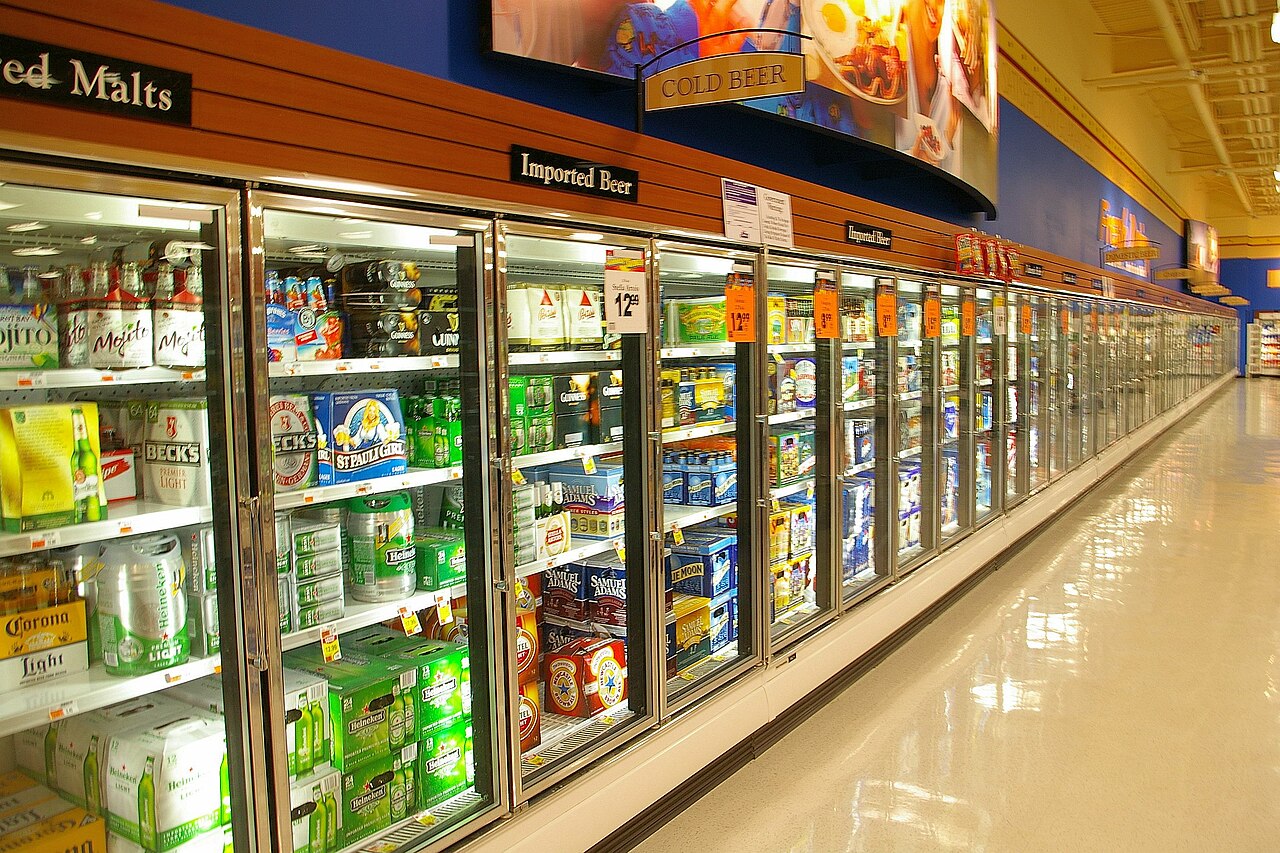
You interact with refrigeration constantly, often without realizing it. Your kitchen refrigerator and freezer are prime examples, preserving food and extending its shelf life. Air conditioning systems, a form of refrigeration, keep our homes and offices comfortable. In hospitals, medical refrigerators store vital organs, blood, and vaccines. Supermarkets rely on refrigerated display cases and walk-in coolers. Even the electronics in your smartphone generate heat that needs to be dissipated, a micro-level cooling challenge addressed by thermal management systems.
Key Facts
- Year
- 1805
- Origin
- United States
- Category
- Science & Technology
- Type
- Topic
Frequently Asked Questions
What is the most common type of refrigeration system?
The most prevalent system is vapor-compression refrigeration. It's found in everything from your home refrigerator to large industrial freezers. This system uses a refrigerant that cycles through evaporation and condensation to move heat from one place to another, driven by a compressor. While effective and widely adopted, its reliance on specific refrigerants and energy consumption are areas of ongoing development and concern.
How does the cold chain ensure food safety?
The cold chain maintains a continuous low-temperature environment from the point of production to the consumer. This prevents the growth of pathogenic bacteria and slows down spoilage processes, significantly reducing the risk of foodborne illnesses. Each link, whether it's a refrigerated truck, a shipping container, or a supermarket display, plays a critical role in preserving the quality and safety of perishable goods like meat, dairy, and produce.
What are the environmental concerns with refrigeration?
The primary environmental issue stems from refrigerants themselves. Many older refrigerants, like CFCs and HCFCs, depleted the ozone layer. Newer refrigerants, such as HFCs, while not ozone-depleting, are potent greenhouse gases contributing to climate change. Additionally, the significant energy consumption of refrigeration systems contributes to carbon emissions.
What are 'natural refrigerants'?
Natural refrigerants are substances that occur in nature and have a low or zero global warming potential (GWP) and ozone depletion potential (ODP). Common examples include ammonia (R717), carbon dioxide (R744), and various hydrocarbons like propane (R290). While environmentally superior, they often require different system designs and safety considerations due to properties like toxicity or flammability.
How is refrigeration important for medicine?
Refrigeration is absolutely critical for the pharmaceutical industry and healthcare. Many vaccines, insulins, blood products, and other biologics are temperature-sensitive and require strict refrigeration to maintain their efficacy and safety. The cold chain ensures these life-saving medical supplies remain viable from manufacturing to administration, preventing spoilage and loss of potency.
What are some emerging refrigeration technologies?
Beyond improvements to vapor-compression, researchers are exploring magnetic refrigeration, which uses the magnetocaloric effect, and thermoelectric cooling, which uses the Peltier effect. Absorption refrigeration is also seeing renewed interest, particularly for utilizing waste heat. These technologies aim for higher efficiency and reduced environmental impact, though widespread adoption is still in development.