
Contents
Overview
The concept of using a camera to aid vehicle reversing emerged from a desire to mitigate the severe risks associated with rear blind spots, often termed 'killing zones.' Early prototypes and experimental systems began appearing in the late 1970s and early 1980s. For decades, it remained a niche luxury, a technological curiosity rather than a standard safety feature. The widespread adoption was slow, hampered by the high cost of camera technology, display integration challenges, and a lack of regulatory push. Companies like Pioneer and Alpine Electronics were instrumental in developing more affordable and integrated camera and display solutions throughout the 1990s and early 2000s, paving the way for broader consumer acceptance.
⚙️ How It Works
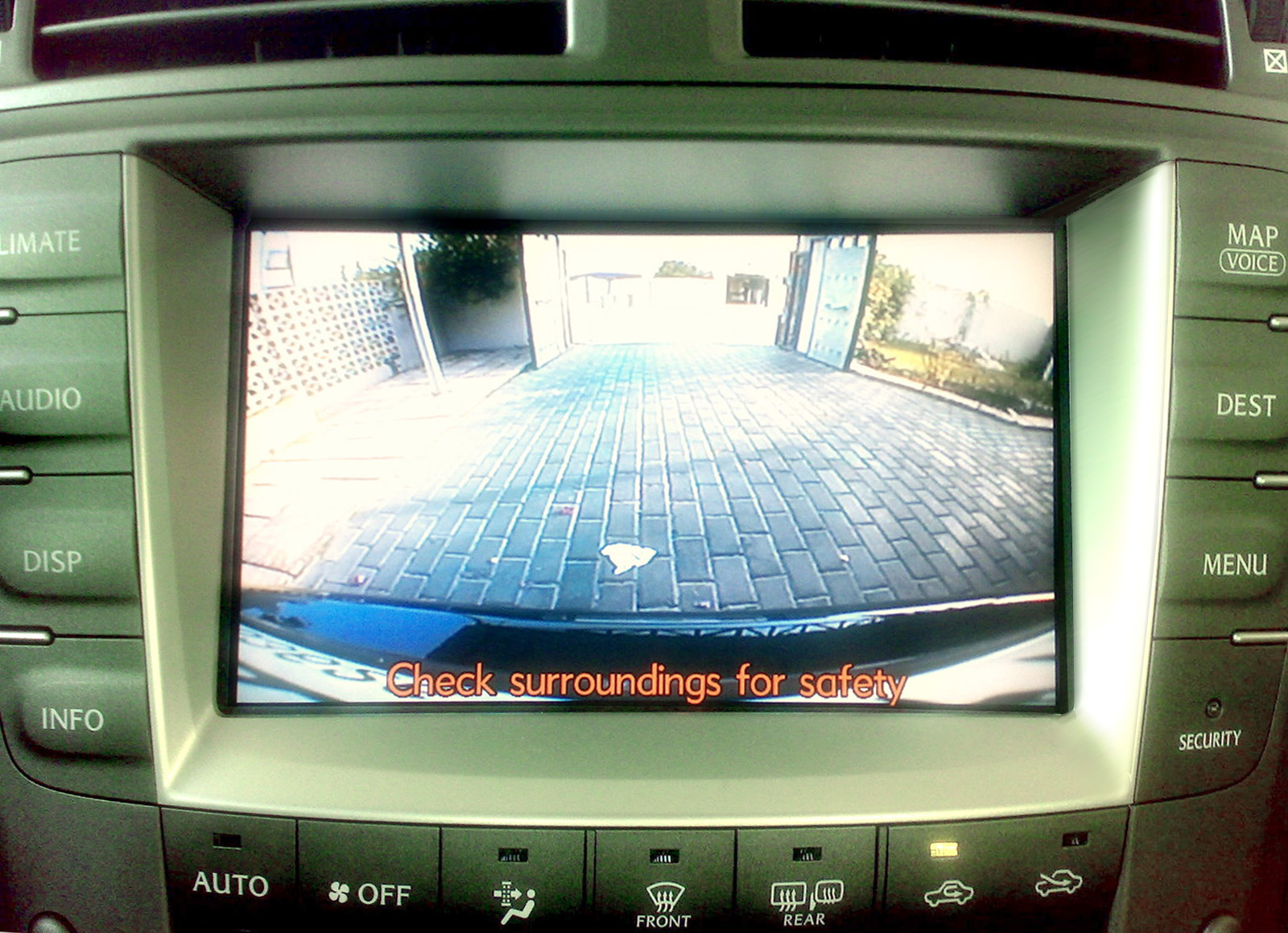
At its core, a rear view camera system comprises a small, wide-angle lens camera mounted at the rear of the vehicle, typically near the license plate or trunk handle, and a display screen integrated into the vehicle's dashboard, often part of the infotainment system or rearview mirror. When the driver engages reverse gear, the camera activates, sending a video signal to the display. Modern systems often overlay dynamic or static guidelines onto the video feed, indicating the vehicle's projected path based on steering angle. More advanced 'surround-view' systems utilize multiple cameras (front, rear, and sides) to stitch together a composite, bird's-eye view of the vehicle and its immediate surroundings, providing an unparalleled awareness of obstacles and clearances. The image processing and display technologies have evolved significantly, from low-resolution monochrome screens to high-definition color displays with sophisticated image enhancement algorithms.
📊 Key Facts & Numbers
The impact of rear view cameras is quantifiable. The market for automotive cameras, including rear view, front, and surround-view systems, was valued at approximately $3.5 billion in 2023 and is projected to exceed $7 billion by 2030, according to reports from firms like MarketsandMarkets. The average cost of a factory-installed backup camera system has decreased from over $500 in the early 2000s to under $200 today, reflecting economies of scale and technological advancements.
👥 Key People & Organizations
While no single inventor is credited with the rear view camera, several individuals and organizations played pivotal roles. Key technology developers include companies like Sony, which has been a major supplier of automotive image sensors for decades, and Bosch and Continental AG, which are leading Tier 1 automotive suppliers integrating these cameras into complex vehicle systems. Regulatory bodies such as the NHTSA in the United States and Transport Canada were crucial in mandating their adoption, pushing the technology from optional luxury to essential safety equipment. Automakers like General Motors, Ford, and Volkswagen Group have been at the forefront of integrating and popularizing these systems across their model lineups.
🌍 Cultural Impact & Influence
The rear view camera has profoundly reshaped driver behavior and automotive design. It has demystified the act of reversing, transforming a potentially perilous maneuver into a more confident and controlled action, especially for novice drivers and those with limited mobility. The visual feedback provided by these cameras has also influenced vehicle styling, with designers sometimes incorporating camera placement into the overall aesthetic rather than treating it as an afterthought. Beyond direct safety benefits, the technology has fostered a broader acceptance of cameras in vehicles, laying the groundwork for more advanced driver-assistance systems (ADAS) like parking assist and autonomous driving features. The cultural shift is evident: consumers now expect this feature as standard, and its absence in a new vehicle is often viewed as a significant deficiency.
⚡ Current State & Latest Developments
The current state of rear view camera technology is characterized by increasing sophistication and integration. High-definition cameras with superior low-light performance are becoming standard, offering clearer images in challenging conditions. Advanced algorithms are enabling features like object recognition, which can alert drivers to moving objects in the camera's view, and improved parking guidance lines that adapt more precisely to steering inputs. The trend towards digital mirrors, where a camera feed replaces a traditional rearview mirror, is also gaining traction, offering wider fields of view and eliminating physical obstructions. Furthermore, the underlying sensor technology is being leveraged for more comprehensive surround-view systems, creating a seamless 360-degree awareness that is crucial for advanced driver-assistance systems (ADAS) and the eventual development of fully autonomous vehicles.
🤔 Controversies & Debates
Despite widespread adoption, debates persist regarding the limitations and potential over-reliance on rear view cameras. Some critics argue that mandated systems can lead to complacency, with drivers potentially paying less attention to their physical surroundings or relying solely on the screen. There are also discussions about the effectiveness of guidelines in all scenarios and the potential for image distortion or failure in extreme weather conditions (e.g., snow, mud). Furthermore, the cost of repairing damaged camera systems can be substantial, adding to vehicle maintenance expenses. The debate also touches on the ethical implications of mandating specific safety technologies, with some arguing for a more market-driven approach, while others champion the life-saving benefits of regulatory intervention.
🔮 Future Outlook & Predictions
The future of rear view camera technology is inextricably linked to the broader evolution of automotive ADAS and autonomous driving. Expect to see further integration with sensors like radar and lidar to create a more robust perception system. Predictive path analysis will become more sophisticated, anticipating pedestrian and cyclist movements. The concept of the 'digital cockpit' will likely see camera feeds integrated more seamlessly into augmented reality displays, overlaying navigation and hazard information directly onto the driver's view of the road. As vehicles move towards higher levels of autonomy, the rear view camera will evolve from a driver-assist tool into a critical component of the vehicle's primary sensing suite, essential for safe navigation and operation without human intervention, potentially rendering traditional mirrors obsolete.
💡 Practical Applications
Rear view cameras are primarily used for assisting drivers in safely reversing their vehicles. This includes parking in tight spaces, maneuvering in driveways, and avoiding collisions with pedestrians, children, pets, or stationary objects behind the car. They are also invaluable in larger vehicles like trucks, vans, and RVs, where rear visibility is inherently limited. Beyond simple reversing, the technology is being adapted for trailer assistance, allowing drivers to see the trailer hitch and guide it more accurately. In commercial fleets, rear view cameras contribute to driver safety training and accident investigation by providing objective visual records of incidents. Their application extends to off-road vehicles and specialized equipment where situational awareness is paramount.
Key Facts
- Category
- technology
- Type
- topic